

In today’s fast-paced world, technology is reshaping the way we interact with every aspect of our lives, including the culinary industry. From ordering meals to discovering new recipes, the integration of AI-powered chatbots is transforming the way food businesses and consumers connect. Food chatbots are no longer a futuristic concept; they have become an essential tool for restaurants, food delivery services, and even personal cooking assistants. These intelligent systems can streamline operations, enhance customer experience, and provide personalized recommendations based on preferences, dietary restrictions, and past interactions. As AI continues to evolve, food chatbots are not just simplifying the ordering process—they are redefining it. This blog will explore the multifaceted applications, benefits, challenges, and future of food chatbots, shedding light on why they are becoming indispensable in the modern culinary ecosystem.
Introduction
Welcome to EngagerBot, your trusted source for insights into the evolving world of chatbots and artificial intelligence. In this comprehensive guide, we will dive deep into food chatbots—the innovative AI-driven tools that are transforming the way restaurants interact with their customers, streamline operations, and provide personalized dining experiences. Whether you are a restaurateur, a tech enthusiast, or a foodie curious about AI applications in the culinary space, this blog will provide in-depth insights, examples, and actionable strategies to understand the incredible potential of food chatbots.
The Rise of Food Chatbots in the Culinary Industry
In recent years, the culinary industry has witnessed a profound shift in the way technology is incorporated into customer interactions. Food chatbots have emerged as a critical component of this technological evolution. These AI-powered systems are designed to interact with customers in real-time, providing personalized food recommendations, handling orders, and even addressing customer complaints. The rise of food chatbots is fueled by the increasing demand for convenience and personalized service. Customers no longer want to wait on hold or navigate complex menus—they desire quick, interactive, and intuitive digital experiences. Food chatbots meet this demand by leveraging natural language processing and machine learning algorithms to understand and predict customer preferences. By analyzing historical data, chatbots can suggest dishes that align with a user’s taste profile, dietary restrictions, or even current mood. For restaurants, this represents a unique opportunity to enhance customer engagement, increase sales, and streamline operational workflows. As AI technology continues to advance, the role of food chatbots is expanding beyond simple ordering systems to become sophisticated tools that influence culinary trends, menu optimization, and even marketing strategies.
How AI is Powering Food Chatbots
Artificial Intelligence is the backbone of modern food chatbots. By integrating machine learning, natural language understanding, and predictive analytics, AI allows chatbots to perform tasks that were previously the domain of human staff. For instance, an AI-powered chatbot can recognize common phrases or slang used by customers, understand context, and respond appropriately. Beyond basic order-taking, AI enables chatbots to make smart recommendations. For example, if a customer orders a pasta dish frequently, the chatbot can suggest a new variation or complementary side dishes, thereby enhancing upselling opportunities. Moreover, AI can analyze customer sentiment to adjust the tone and style of responses, creating a more personalized and human-like interaction. Restaurants benefit from this AI integration by gaining actionable insights from customer behavior, preferences, and feedback. Over time, these systems learn and adapt, becoming increasingly efficient in providing accurate suggestions, predicting popular dishes, and even anticipating peak ordering times. AI’s continuous learning capabilities ensure that food chatbots are not static tools but evolving digital assistants capable of delivering meaningful and contextually relevant interactions.
Enhancing Customer Engagement Through Food Chatbots
One of the most significant advantages of food chatbots is their ability to enhance customer engagement. Unlike traditional ordering methods, chatbots provide a dynamic and interactive platform where customers can ask questions, explore menus, and receive instant responses. Engagement is further enhanced by personalization features. Chatbots can store user preferences, track order history, and offer tailored suggestions. This creates a sense of familiarity and loyalty, encouraging repeat business. Additionally, food chatbots can operate 24/7, providing consistent customer service without downtime or human error. The interactivity of chatbots also allows restaurants to implement gamification strategies, such as reward programs or loyalty points, directly through conversational interfaces. Engaged customers are more likely to provide feedback, share experiences on social media, and participate in promotional campaigns, ultimately boosting the restaurant’s visibility and brand reputation. By facilitating real-time communication, reducing wait times, and offering personalized attention, food chatbots create a seamless and enjoyable customer journey that traditional methods struggle to match.
Streamlining Restaurant Operations
Food chatbots are not just customer-facing tools—they are also powerful operational assistants. Restaurants often face challenges such as high order volumes, staff shortages, and peak-hour inefficiencies. Chatbots help alleviate these pressures by automating repetitive tasks such as taking orders, confirming reservations, and answering frequently asked questions. This reduces the burden on staff, allowing them to focus on core culinary and service activities. Moreover, chatbots can integrate with kitchen management systems to provide real-time updates on order status, ensuring timely preparation and delivery. Inventory management is another area where chatbots add value. By tracking orders and monitoring stock levels, chatbots can alert managers when supplies are running low or suggest menu modifications based on available ingredients. Streamlining operations in this manner not only enhances efficiency but also reduces operational costs. As restaurants grow and customer expectations rise, food chatbots are becoming indispensable in maintaining smooth, error-free, and scalable operations.
Personalization and Customer Retention
Personalization is the key to customer retention, and food chatbots excel at delivering customized experiences. By leveraging historical data, preference tracking, and AI-driven analytics, chatbots can offer suggestions tailored to individual tastes, dietary requirements, or even seasonal preferences. For instance, a customer who frequently orders vegan dishes may receive targeted recommendations for new vegan menu items or special promotions. Personalized experiences create emotional connections between the customer and the brand, fostering loyalty and repeat business. In addition, chatbots can send personalized notifications, reminders, or special offers to encourage engagement and retention. The ability to remember previous interactions and provide relevant suggestions makes the dining experience more enjoyable and efficient. Over time, consistent personalization builds trust and a sense of familiarity, increasing the likelihood that customers will return to the restaurant or recommend it to friends and family. In an era where consumers demand tailored experiences, food chatbots are an invaluable tool for achieving long-term customer retention.
Integrating Food Chatbots with Delivery Services
The rise of online food delivery has created new opportunities for integrating chatbots into the ordering process. Food chatbots can seamlessly connect with popular delivery platforms, allowing customers to place orders directly through messaging apps or restaurant websites. This integration streamlines the ordering process, reduces errors, and enhances convenience for users. Additionally, chatbots can provide real-time updates on delivery status, estimated arrival times, and potential delays, improving transparency and customer satisfaction. Restaurants benefit from this integration by managing orders efficiently and minimizing the likelihood of missed or incorrect deliveries. Furthermore, chatbots can handle customer feedback and complaints about delivery, ensuring quick resolution and maintaining positive customer relationships. By bridging the gap between restaurant kitchens and delivery services, food chatbots create a cohesive and efficient ecosystem that meets the demands of modern consumers who value speed, convenience, and accuracy in food delivery.
Food Chatbots in Menu Discovery and Recommendation

Menu discovery is a crucial aspect of the dining experience, and food chatbots excel at guiding customers through options. Traditional menus can be overwhelming, especially for new customers or those with specific dietary needs. Chatbots can ask questions to understand preferences, suggest dishes based on previous orders, and highlight popular or chef-recommended items. Advanced chatbots utilize AI to analyze trends and predict what a customer might enjoy, making the dining experience more personalized and enjoyable. This recommendation system not only enhances customer satisfaction but also encourages experimentation and upselling. Restaurants can use chatbots to introduce seasonal specials, new dishes, or limited-time promotions, driving sales and increasing customer engagement. By facilitating menu exploration in an interactive, intelligent, and user-friendly way, food chatbots transform the dining experience from a simple selection process into an engaging culinary journey.
Handling Customer Feedback Effectively
Customer feedback is invaluable for improving service quality, and food chatbots simplify the feedback process. Instead of relying on traditional feedback forms, chatbots can engage customers in real-time conversations to gather opinions, complaints, and suggestions. The conversational format is more engaging and encourages honest responses. AI-driven sentiment analysis allows chatbots to identify positive or negative feedback, detect recurring issues, and provide actionable insights to restaurant management. This proactive approach enables restaurants to address concerns promptly, enhance service quality, and prevent negative reviews from spreading online. Additionally, chatbots can thank customers for their feedback, provide follow-up offers, or invite them to participate in loyalty programs, strengthening the relationship between the brand and its patrons. By automating feedback collection and analysis, food chatbots create a continuous improvement loop that benefits both customers and restaurants.
The Role of Voice-Activated Food Chatbots
Voice technology is rapidly gaining traction in the chatbot industry, and food chatbots are no exception. Voice-activated chatbots allow customers to place orders, inquire about menu items, and receive recommendations using spoken commands. This hands-free approach adds convenience, particularly for users who are multitasking or have accessibility needs. Voice chatbots leverage speech recognition and natural language understanding to interpret commands accurately and respond in a conversational manner. Restaurants can integrate voice-activated chatbots into mobile apps, smart speakers, and in-store devices to provide a seamless ordering experience. The adoption of voice technology also opens new marketing avenues, such as voice-based promotions and interactive recipe guides. As consumer preferences shift toward convenience and accessibility, voice-enabled food chatbots are poised to become a standard feature in modern dining experiences.
AI-Powered Nutritional Guidance
Beyond ordering and recommendations, food chatbots can provide nutritional guidance tailored to individual needs. Customers increasingly seek healthy options, calorie counts, and allergen information before placing orders. Chatbots can analyze menu items and suggest meals based on dietary restrictions, health goals, or personal preferences. For example, a chatbot can recommend low-carb alternatives, highlight dishes rich in vitamins, or flag potential allergens. This capability enhances customer trust and satisfaction, as patrons feel supported in making informed dietary choices. Additionally, restaurants can use nutritional insights to design menus that cater to specific health-conscious demographics, expanding their market reach. By combining AI-driven personalization with nutritional awareness, food chatbots play a crucial role in promoting healthier eating habits while maintaining a seamless and enjoyable dining experience.
Marketing and Promotional Opportunities
Food chatbots are powerful tools for marketing and promotions. By analyzing customer behavior, order history, and preferences, chatbots can deliver targeted offers, discounts, and recommendations. Personalized marketing messages sent through chatbots are more likely to capture attention and drive engagement compared to generic campaigns. Restaurants can run seasonal promotions, highlight new menu items, or encourage repeat orders through conversational interactions. Additionally, chatbots can collect data on customer preferences and purchasing patterns, providing valuable insights for marketing strategies. AI-driven analytics help restaurants optimize campaign timing, messaging, and offers for maximum impact. By integrating marketing functions into the chatbot interface, restaurants can engage customers directly where they interact most, enhancing brand visibility and increasing sales.
Overcoming Challenges in Food Chatbot Implementation
Despite their benefits, implementing food chatbots comes with challenges. One major hurdle is ensuring accurate and natural communication. Poorly designed chatbots can frustrate customers if they misunderstand queries or provide irrelevant responses. Integration with existing systems, such as POS software, inventory management, and delivery platforms, can also be complex. Data privacy and security are additional concerns, as chatbots handle sensitive customer information. To overcome these challenges, restaurants must invest in high-quality AI platforms, continuous testing, and staff training. Regular updates and optimization ensure that chatbots remain effective, responsive, and secure. While challenges exist, the long-term benefits of enhanced customer engagement, operational efficiency, and personalized experiences outweigh the initial implementation hurdles.
Case Studies: Food Chatbots in Action
Several restaurants and food service providers have successfully implemented chatbots to improve their operations and customer experience. For instance, some fast-food chains use chatbots on messaging platforms to handle high volumes of orders efficiently, reducing wait times and increasing customer satisfaction. Food delivery apps leverage chatbots to manage order tracking, customer inquiries, and personalized recommendations. By analyzing these case studies, it becomes evident that food chatbots can drive measurable improvements in efficiency, revenue, and customer loyalty. Learning from successful implementations helps restaurants understand best practices, avoid common pitfalls, and tailor chatbot solutions to their unique needs. These real-world examples highlight the transformative potential of chatbots in modern dining and food service ecosystems.
The Future of Food Chatbots
The future of food chatbots is promising, with advancements in AI, natural language processing, and voice technology driving innovation. Chatbots will become more intuitive, human-like, and capable of handling complex interactions seamlessly. Integration with augmented reality and virtual assistants could allow customers to visualize dishes before ordering or receive interactive cooking guidance. Predictive analytics will enable chatbots to anticipate customer needs, recommend personalized meals, and optimize restaurant operations proactively. As AI technology continues to evolve, food chatbots will not only serve as ordering and recommendation tools but also as strategic partners in enhancing customer experiences, driving efficiency, and shaping the future of the culinary industry.
Multi-Language Support in Food Chatbots
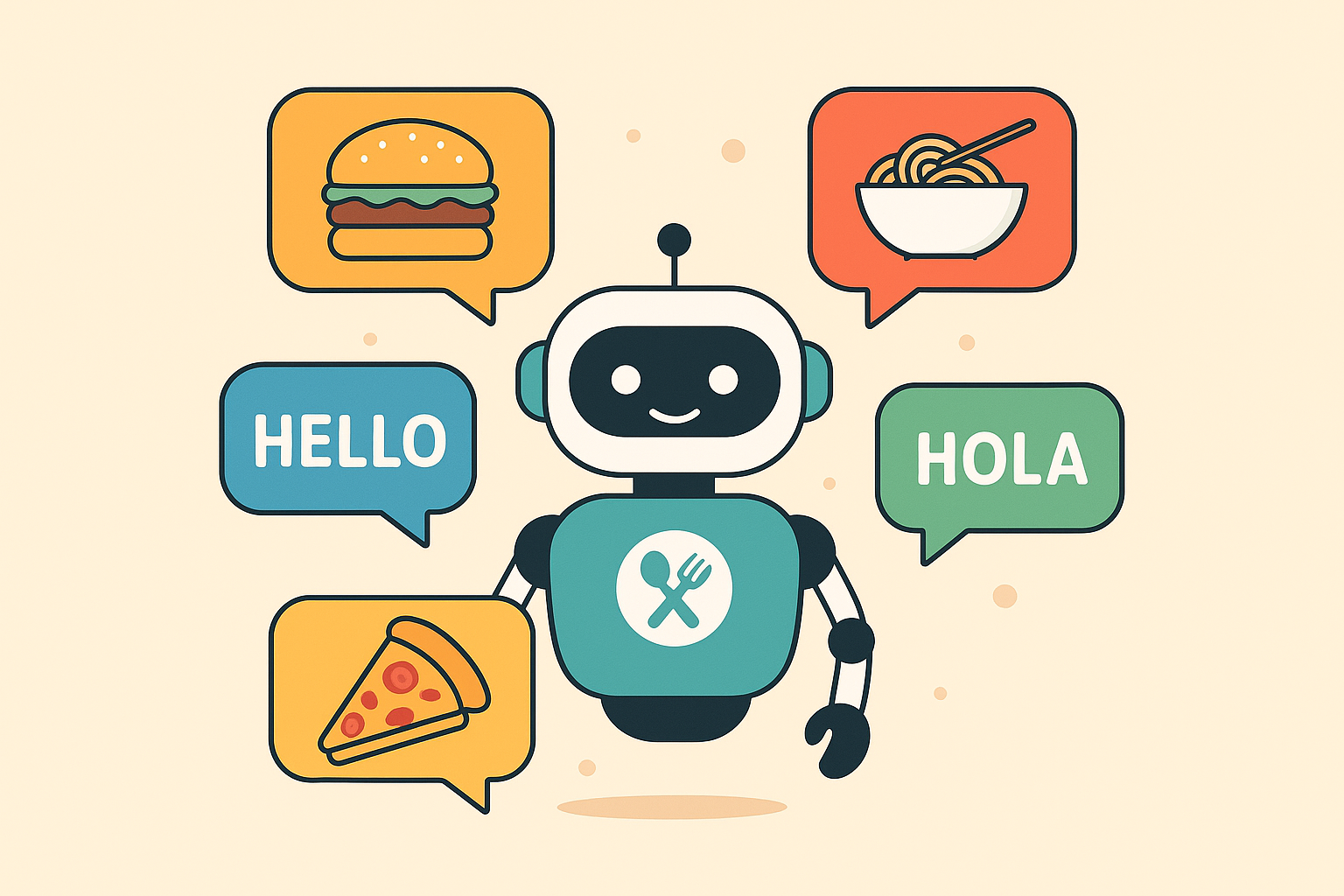
Globalization has created a diverse customer base, and multi-language support in food chatbots is essential for inclusivity. AI-powered chatbots can communicate in multiple languages, allowing restaurants to serve international customers seamlessly. Language localization ensures that menu items, promotions, and recommendations are presented accurately and culturally appropriately. This capability enhances customer experience, increases accessibility, and expands market reach. Multi-language chatbots are particularly valuable in tourist-heavy locations, international food delivery services, and multicultural urban centers. By embracing linguistic diversity, restaurants can foster stronger connections with a broader audience, increase engagement, and build loyalty across different cultural groups.
Security and Data Privacy Considerations
With the increasing reliance on AI-driven chatbots, security and data privacy have become critical concerns. Food chatbots collect sensitive customer information, including contact details, payment information, and dietary preferences. Protecting this data requires robust encryption, secure APIs, and compliance with data protection regulations such as GDPR. Restaurants must implement best practices for data security, conduct regular audits, and educate staff about privacy policies. Transparent communication with customers regarding how their data is used builds trust and confidence in chatbot interactions. Ensuring secure and private interactions not only safeguards customer information but also protects the restaurant’s reputation, making data security a non-negotiable aspect of chatbot implementation.
Measuring Success and ROI
Measuring the success of food chatbots involves evaluating customer engagement, operational efficiency, and financial performance. Key metrics include order accuracy, response time, customer satisfaction, repeat business, and revenue generated through chatbot interactions. Advanced analytics allow restaurants to track chatbot performance, identify areas for improvement, and quantify return on investment (ROI). Understanding these metrics helps management make informed decisions regarding chatbot optimization, feature enhancements, and marketing strategies. By continuously monitoring performance, restaurants can maximize the value of their chatbot investment, ensuring that it contributes to long-term growth, efficiency, and customer loyalty.
Conclusion: Embracing the Future with Food Chatbots
In conclusion, food chatbots are transforming the culinary landscape by enhancing customer engagement, streamlining operations, and providing personalized dining experiences. These AI-driven tools offer significant benefits for both restaurants and customers, from real-time ordering and menu recommendations to nutritional guidance and multi-language support. As technology continues to evolve, the potential applications of food chatbots will expand, making them indispensable in modern dining. By embracing food chatbots, restaurants can improve efficiency, increase customer satisfaction, and stay ahead in a competitive market. At EngagerBot, we recognize the transformative power of AI in shaping the future of dining, and food chatbots are a shining example of how innovation can elevate culinary experiences to unprecedented heights.