
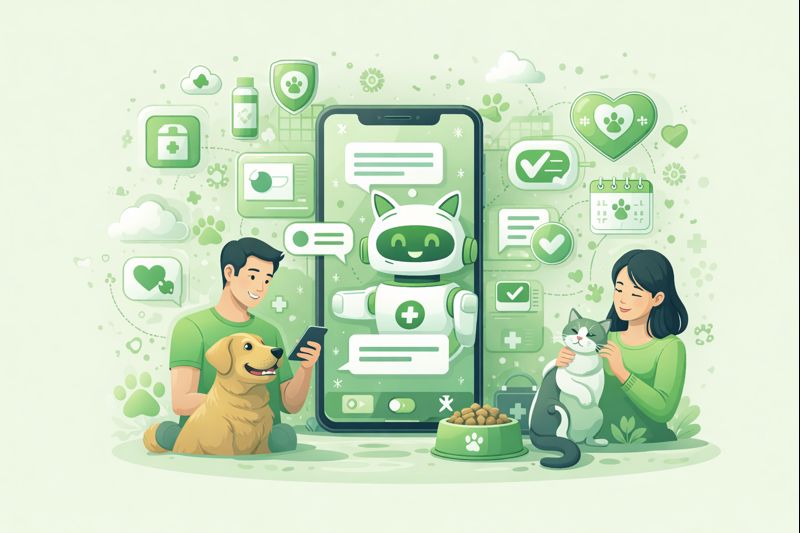
Pet Care Chatbot technology is rapidly transforming how pet owners access veterinary guidance, nutrition advice, training tips, and emergency support. By combining artificial intelligence, conversational interfaces, and real-time data, pet care chatbots deliver instant, reliable, and scalable assistance for modern pet parents and animal care businesses.
Introduction
The global pet care industry is evolving faster than ever, driven by digital transformation, rising pet ownership, and increasing demand for instant, reliable information. Today’s pet parents expect 24/7 access to care guidance, behavioral insights, nutrition planning, and health monitoring—without long wait times or costly consultations. This is where Pet Care Chatbot solutions emerge as a powerful innovation.
A Pet Care Chatbot is an AI-powered conversational system designed to assist pet owners with daily care questions, preventive health tips, appointment reminders, dietary guidance, and emergency triage. These chatbots are increasingly used by veterinary clinics, pet eCommerce platforms, shelters, and SaaS platforms like Engagerbot, enabling businesses to deliver consistent, personalized, and scalable pet support.
From aligning with Google’s helpful content principles to supporting E-E-A-T (Experience, Expertise, Authoritativeness, Trustworthiness) guidelines, pet care chatbots offer measurable SEO, UX, and operational benefits. This guide explores how they work, why they matter, and how businesses can implement them effectively while following Google best practices and leveraging high-authority sources for credibility.
What Is a Pet Care Chatbot?
A Pet Care Chatbot is an intelligent conversational assistant designed specifically for pet-related interactions. Unlike generic chatbots, these systems are trained on veterinary knowledge, animal behavior patterns, breed-specific needs, and pet wellness data. They can communicate through websites, mobile apps, social media platforms, and messaging services.
At its core, a pet care chatbot uses Natural Language Processing (NLP) and Machine Learning (ML) to understand user intent and deliver relevant responses. For example, when a pet owner asks about vaccination schedules or dietary requirements, the chatbot provides structured, evidence-based guidance rather than vague answers.
According to Google Search Central, content systems and tools should prioritize helpfulness, accuracy, and user intent—principles that well-designed pet chatbots align with naturally. By referencing trusted organizations such as American Veterinary Medical Association and ASPCA, chatbots improve trust signals and reliability.
Additionally, modern pet care chatbots support multilingual conversations, sentiment analysis, and escalation to human professionals when necessary. This hybrid approach ensures both automation efficiency and responsible care delivery.
Why Pet Care Chatbots Are Gaining Popularity
The growing adoption of Pet Care Chatbot solutions is driven by shifts in consumer behavior and operational challenges faced by pet care businesses. Pet owners increasingly rely on digital tools to make informed decisions quickly, especially during emergencies or off-hours.
Veterinary clinics and pet platforms struggle with staff shortages, high inquiry volumes, and repetitive questions. A chatbot addresses these pain points by automating routine interactions while maintaining consistency and availability. Research from Statista highlights that digital customer service tools significantly improve response time and satisfaction rates.
Pet care chatbots also align with Google’s emphasis on user experience (UX) and needs-met satisfaction, ensuring visitors receive immediate, relevant answers instead of bouncing from pages. This directly supports SEO performance and dwell time optimization.
Moreover, chatbot adoption is fueled by increased mobile usage and voice-based search trends. As users interact conversationally, chatbots provide frictionless access to trusted pet care knowledge without navigating complex interfaces.
How Pet Care Chatbots Work (Technology Explained)
Behind every effective Pet Care Chatbot is a combination of AI technologies working in harmony. These systems rely on Natural Language Understanding (NLU) to interpret user queries and map them to relevant intents, such as health advice, grooming tips, or training guidance.
Machine learning models continuously improve responses by analyzing historical interactions. Over time, the chatbot learns which answers satisfy users best, optimizing future conversations. According to Google AI, responsible AI systems should evolve while maintaining accuracy and transparency—an essential principle for pet health guidance.
Data integration is another critical layer. Pet care chatbots often connect with veterinary databases, appointment systems, and eCommerce inventories. This allows real-time appointment booking, order tracking, and personalized reminders.
Security and data privacy are equally important. Reputable platforms follow Google’s data safety guidelines to protect sensitive user information and maintain trust—an essential ranking and reputation factor.
Key Benefits of Pet Care Chatbots for Pet Owners
A well-implemented Pet Care Chatbot significantly enhances the pet owner experience. The most obvious benefit is 24/7 accessibility, allowing users to get help anytime, even outside clinic hours.
Chatbots provide consistent guidance based on established veterinary knowledge rather than guesswork. By referencing trusted authorities like ASPCA and AKC, chatbot responses reinforce credibility and reduce misinformation risks.
Another advantage is personalization. By storing pet profiles—such as breed, age, weight, and medical history—chatbots tailor advice to individual needs. This personalized experience aligns with Google’s helpful content framework by delivering relevant, context-aware information.
Finally, pet owners benefit from emotional reassurance. During stressful moments, a calm, informative chatbot helps guide next steps while escalating emergencies appropriately to professionals.
Benefits of Pet Care Chatbots for Businesses
For businesses, Pet Care Chatbot solutions deliver measurable ROI. They reduce operational costs by automating repetitive inquiries, freeing staff to focus on complex cases and customer relationships.
Chatbots also improve lead generation and conversion rates. By engaging visitors instantly, they prevent bounce-offs and guide users toward appointments, products, or resources. According to Google UX research, faster response times directly correlate with higher conversion performance.
From an SEO standpoint, chatbots support on-site engagement metrics—time on page, session depth, and return visits—all of which influence search visibility indirectly.
Additionally, businesses gain valuable insights through chatbot analytics, identifying common concerns, trending questions, and service gaps that inform content strategy and service improvements.
Pet Care Chatbots and Google Best Practices
Aligning a Pet Care Chatbot with Google’s best practices is essential for long-term success. Google emphasizes helpful, people-first content, which chatbots naturally support by answering real user questions in real time.
By referencing authoritative sources such as Google Search Quality Evaluator Guidelines, businesses ensure chatbot responses maintain accuracy and transparency. This strengthens E-E-A-T signals, especially important in pet health-related (YMYL-adjacent) content.
Chatbots also improve Core Web Vitals indirectly by reducing page clutter and guiding users efficiently. When implemented correctly, they enhance—not hinder—site performance and accessibility.
Most importantly, chatbots should clearly disclose limitations and encourage professional consultation when necessary, reinforcing trust and ethical responsibility.
Role of AI Ethics in Pet Care Chatbots
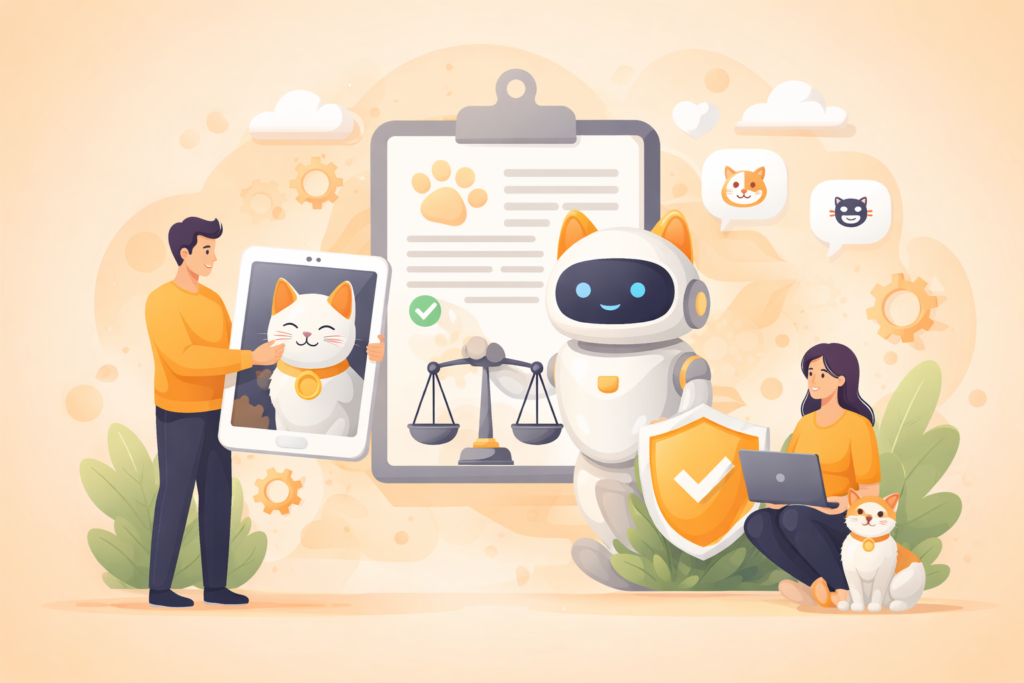
Ethical AI is critical in Pet Care Chatbot deployment. Since pet health impacts emotional and financial well-being, chatbots must avoid definitive diagnoses or harmful recommendations.
Industry leaders follow AI principles promoted by Google Responsible AI, ensuring fairness, accountability, and explainability. Ethical chatbots clearly state when advice is informational rather than medical.
Transparency also builds trust. Users should understand how their data is used and stored, aligning with global privacy standards and Google’s safety policies.
By prioritizing ethical design, pet care chatbots enhance brand reputation and long-term user loyalty.
Use Cases of Pet Care Chatbots
Pet care chatbots serve diverse industries, including veterinary clinics, pet insurance providers, shelters, and eCommerce platforms. Each use case benefits from tailored conversational flows.
Veterinary clinics use chatbots for appointment scheduling, symptom triage, and post-treatment follow-ups. Pet retailers leverage them for product recommendations and feeding guides.
Animal shelters use chatbots to streamline adoption inquiries and educate potential pet parents. These applications improve operational efficiency while enhancing user satisfaction.
By referencing best practices from AKC and AVMA, chatbots ensure information accuracy across all use cases.
Pet Care Chatbots in Veterinary Clinics
In veterinary environments, Pet Care Chatbot solutions act as digital assistants rather than replacements. They handle pre-visit assessments, collect symptom data, and prepare veterinarians for consultations.
This structured intake improves diagnostic efficiency and reduces appointment duration. Clinics following guidance from American Veterinary Medical Association benefit from better workflow management.
Chatbots also support post-visit care by sending medication reminders and recovery tips, reducing readmissions and improving outcomes.
Chatbots for Pet Nutrition and Diet Planning
Nutrition is a common concern among pet owners, making it an ideal chatbot use case. A Pet Care Chatbot can recommend feeding schedules, portion sizes, and diet adjustments based on pet profiles.
By referencing trusted standards from Association of American Feed Control Officials, chatbots maintain dietary accuracy and safety.
Personalized nutrition advice enhances user trust while supporting healthier pets and stronger brand credibility.
Integrating Pet Care Chatbots with Websites and Apps
Integrating a Pet Care Chatbot into websites and mobile applications requires careful planning, technical compatibility, and a strong focus on user experience. A well-integrated chatbot should feel like a natural extension of the platform rather than an intrusive popup.
Modern chatbots are embedded using lightweight scripts or APIs, ensuring compatibility with CMS platforms such as WordPress, Shopify, and custom web frameworks. According to Google Search Central, maintaining fast-loading pages and minimizing render-blocking elements is critical for performance and SEO. A properly optimized chatbot does not negatively impact Core Web Vitals, which is essential for ranking stability.
Mobile optimization is equally important. Pet owners frequently search for urgent pet-related advice on smartphones. Chatbots must support responsive design, touch-friendly interfaces, and accessibility standards outlined by W3C to ensure inclusivity.
From a data perspective, integration allows chatbots to pull information from appointment systems, pet profiles, and CRM tools. This creates a seamless journey—from asking a question to booking a service—while maintaining trust and usability.
SEO Impact of Pet Care Chatbots
A strategically implemented Pet Care Chatbot contributes positively to SEO, even though chatbots themselves are not direct ranking factors. Their impact is indirect but powerful, particularly in enhancing user engagement metrics.
Chatbots reduce bounce rates by immediately addressing visitor intent, a behavior Google associates with high-quality, helpful pages. They also increase session duration and interaction depth, signaling content relevance. According to Google UX documentation, pages that satisfy user intent efficiently are more likely to perform well in search visibility.
Additionally, chatbots help surface long-tail conversational queries, which can be repurposed into blog content, FAQs, and structured data. This aligns with Google’s emphasis on people-first content and natural language search trends.
When chatbot responses reference authoritative resources such as ASPCA or American Veterinary Medical Association, they reinforce E-E-A-T signals, improving content trustworthiness and long-term SEO sustainability.
Security, Privacy, and Trust in Pet Care Chatbots
Security and privacy are non-negotiable components of a reliable Pet Care Chatbot. Pet owners often share sensitive information, including health concerns, behavioral issues, and personal contact details.
Best-in-class chatbots follow data protection principles promoted by Google Safe Browsing and global privacy frameworks. Encryption, secure authentication, and limited data retention policies help protect user information from misuse or breaches.
Transparency is equally critical. Users should clearly understand what data is collected and how it is used. Ethical disclosure builds trust and aligns with Google’s expectations for trustworthy digital experiences.
By prioritizing privacy and security, pet care chatbots not only comply with regulations but also strengthen brand credibility—an essential factor in competitive pet care markets.
Future Trends in Pet Care Chatbots
The future of Pet Care Chatbot technology is closely tied to advancements in AI, IoT, and predictive analytics. Upcoming chatbots will move beyond reactive responses toward proactive care recommendations.
Wearable pet devices will integrate with chatbots, enabling real-time health monitoring and alerts. AI-driven insights will help identify early warning signs of illness, encouraging preventive care. Research shared by Google AI suggests that predictive systems will become central to personalized digital experiences.
Voice-based interactions are also gaining traction. As voice search adoption grows, pet care chatbots will support conversational voice interfaces, making assistance more accessible for busy pet owners.
These innovations will redefine digital pet care, making chatbots essential companions in everyday pet wellness management.
How to Choose the Right Pet Care Chatbot Platform
Selecting the right Pet Care Chatbot platform requires evaluating functionality, scalability, and compliance with best practices. Businesses should prioritize platforms that support customization, multilingual capabilities, and integration with existing tools.
From an SEO and trust perspective, platforms that encourage authoritative content sourcing and ethical AI usage are preferable. Google’s quality guidelines emphasize transparency and accuracy, especially for topics related to health and well-being.
Analytics and reporting features are equally important. Understanding user behavior enables continuous improvement and content optimization.
A future-ready chatbot platform should evolve alongside business growth, adapting to emerging technologies and user expectations.
Measuring Success of a Pet Care Chatbot
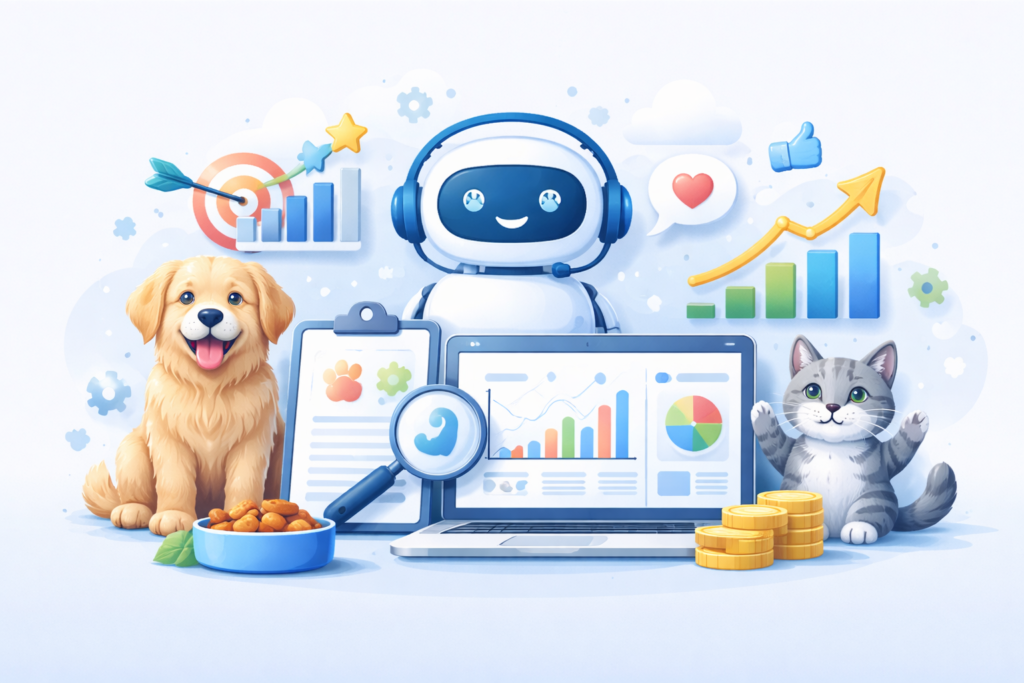
Measuring the effectiveness of a Pet Care Chatbot involves both qualitative and quantitative metrics. Engagement rate, conversation completion, and user satisfaction scores offer insights into performance.
From a business standpoint, metrics such as reduced support workload, increased bookings, and higher conversion rates demonstrate ROI. According to Google Analytics best practices, tracking user journeys helps identify friction points and optimization opportunities.
SEO-related indicators—lower bounce rates, improved dwell time, and repeat visits—highlight the chatbot’s indirect impact on search performance.
Continuous testing, feedback loops, and updates ensure long-term chatbot success and relevance.
Common Mistakes to Avoid When Implementing Pet Care Chatbots
Many businesses fail to unlock the full potential of a Pet Care Chatbot due to avoidable mistakes.
One common error is over-automation without human escalation. Chatbots should support—not replace—professional veterinary advice. Ignoring this balance reduces trust and usability.
Another mistake is using unverified information. Failing to reference authoritative sources like ASPCA or AVMA weakens credibility and may conflict with Google’s quality expectations.
Poor UX design, slow loading times, and lack of mobile optimization also harm performance. Lastly, neglecting data privacy undermines trust and long-term brand reputation.
Avoiding these pitfalls ensures ethical, effective, and SEO-friendly chatbot deployment.
Frequently Asked Questions
Q1. What is a Pet Care Chatbot?
A Pet Care Chatbot is an AI-powered assistant that provides pet-related guidance, support, and information through conversational interfaces.
Q2. Are Pet Care Chatbots safe to use?
Yes, when designed ethically and supported by authoritative sources such as American Veterinary Medical Association, they are safe for informational guidance.
Q3. Can chatbots replace veterinarians?
No. Chatbots complement veterinary services but should never replace professional diagnosis or treatment.
Q4. How do Pet Care Chatbots help SEO?
They improve engagement metrics like dwell time and bounce rate, indirectly supporting SEO performance.
Q5. Do chatbots follow Google guidelines?
Well-built chatbots align with Google Search Central guidelines by focusing on helpful, people-first content.
Q6. Can chatbots provide emergency pet advice?
They can guide initial steps but must escalate emergencies to professionals immediately.
Q7. Are Pet Care Chatbots mobile-friendly?
Most modern chatbots are optimized for mobile and responsive interfaces.
Q8. What data do pet chatbots collect?
Typically pet profiles, conversation history, and basic contact details—handled securely.
Q9. Can small pet businesses use chatbots?
Yes, chatbots are scalable and cost-effective for businesses of all sizes.
Q10. What is the future of Pet Care Chatbots?
Integration with AI, wearables, and voice assistants will drive smarter, proactive pet care.
Conclusion
The rise of the Pet Care Chatbot represents a powerful shift in how pet owners and businesses connect in the digital age. By combining AI-driven intelligence, ethical design, and authoritative information, chatbots deliver immediate value while supporting long-term trust and engagement.
When implemented correctly, pet care chatbots align with Google’s best practices, enhance SEO performance, and improve user satisfaction across platforms. From veterinary clinics to pet eCommerce and adoption services, their applications continue to expand.
Platforms like Engagerbot empower businesses to deploy scalable, secure, and SEO-optimized pet care chatbot solutions that meet modern expectations while maintaining credibility and responsibility.
As technology evolves, pet care chatbots will become an essential digital companion—supporting healthier pets, informed owners, and stronger pet-focused businesses.