

Discover how a Wedding Planning Chatbot simplifies venue booking, guest communication, RSVP tracking, budgeting, vendor coordination, and personalized wedding experiences while improving efficiency, engagement, and customer satisfaction for modern wedding businesses.
Introduction
The wedding industry has evolved dramatically over the past decade, driven by digital transformation, changing customer expectations, and the growing demand for convenience. Couples today expect fast responses, personalized recommendations, seamless booking systems, and real-time communication throughout their wedding planning journey. A Wedding Planning Chatbot helps wedding businesses meet these expectations while reducing operational pressure and improving client satisfaction. From answering common questions to managing appointments and collecting RSVPs, chatbot technology is transforming how weddings are planned and managed.
Businesses in the wedding industry are increasingly investing in AI-powered communication tools because they improve customer engagement, automate repetitive tasks, and provide 24/7 support. Whether a user is searching for venues, photographers, decorators, caterers, or bridal services, chatbots streamline the entire process by guiding couples through every stage of planning. Modern chatbot systems can even provide personalized vendor suggestions, schedule meetings, send reminders, and assist guests with event-related information instantly.
For companies looking to modernize customer interactions, platforms like EngagerBot are helping businesses implement intelligent conversational systems tailored to specific industries. In the wedding sector, chatbot automation not only improves efficiency but also creates memorable digital experiences that align with the emotional and highly personalized nature of wedding planning.
What Is a Wedding Planning Chatbot?
A Wedding Planning Chatbot is an AI-powered virtual assistant designed to automate and simplify communication between wedding businesses, couples, and guests. It operates through websites, messaging apps, mobile applications, and social media platforms to answer questions, manage bookings, provide recommendations, and streamline wedding-related workflows. Unlike traditional customer support systems, chatbots provide immediate responses and personalized interactions around the clock.
These chatbots are commonly integrated with wedding service platforms to assist users with venue inquiries, vendor recommendations, guest management, payment reminders, and appointment scheduling. AI-driven chatbots use conversational intelligence and machine learning to understand customer intent and provide accurate information quickly. Advanced systems can also analyze user preferences to suggest tailored wedding themes, décor ideas, catering options, and entertainment packages.
The rise of chatbot technology aligns closely with modern customer experience expectations. According to <u>Google’s</u> principles on user-focused experiences and helpful content available through Google Search Central, businesses that provide valuable, accessible, and user-friendly experiences are more likely to achieve long-term digital success. Wedding businesses using conversational AI can create frictionless customer journeys that improve engagement and increase conversions.
Why the Wedding Industry Needs Chatbot Technology
Wedding planning involves dozens of moving parts, tight schedules, emotional decisions, and constant communication between couples, vendors, guests, and organizers. Managing these interactions manually can overwhelm businesses and result in delayed responses, scheduling conflicts, and poor customer experiences. A Wedding Planning Chatbot helps solve these challenges through automation and intelligent assistance.
One of the biggest reasons chatbot adoption is increasing in the wedding industry is the demand for instant communication. Modern consumers expect businesses to respond quickly regardless of time zones or business hours. Couples planning weddings often research venues and vendors late at night, during weekends, or while commuting. Chatbots ensure inquiries are addressed immediately, reducing the chances of losing potential customers to competitors.
Additionally, wedding businesses frequently handle repetitive questions regarding pricing, availability, services, event capacity, cancellation policies, and booking procedures. Automating these responses saves valuable staff time while maintaining consistent communication quality. Chatbots can also reduce operational costs by handling multiple conversations simultaneously without requiring additional support staff. This operational efficiency becomes especially important during peak wedding seasons when inquiry volumes increase dramatically.
Key Features of an Advanced Wedding Planning Chatbot
A successful Wedding Planning Chatbot must provide more than simple automated replies. Modern systems combine artificial intelligence, personalization, automation, and data integration to deliver seamless customer experiences. Businesses investing in chatbot technology should focus on features that genuinely improve wedding planning workflows and customer satisfaction.
One essential feature is intelligent appointment scheduling. Couples frequently need consultations with planners, venues, photographers, makeup artists, and decorators. A chatbot integrated with calendars can automatically book appointments, suggest available dates, and send reminders to reduce no-shows. Another critical feature is RSVP management, allowing guests to confirm attendance digitally while giving organizers real-time tracking capabilities.
Personalized recommendations are also becoming increasingly important. AI chatbots can analyze user preferences, budgets, event sizes, and themes to recommend vendors or packages that align with customer needs. Additional features such as multilingual support, automated payment reminders, live chat escalation, and integration with customer relationship management systems further improve functionality. Businesses implementing these features create smoother experiences for both clients and internal teams.
How AI Improves Wedding Planning Experiences
Artificial intelligence has significantly enhanced chatbot capabilities in the wedding industry. Instead of relying solely on scripted responses, AI-powered chatbots understand natural language, recognize intent, and provide more personalized interactions. This creates smoother and more engaging conversations that feel human-like while maintaining automation efficiency.
AI chatbots can analyze customer behavior and preferences to deliver tailored suggestions. For example, if a couple expresses interest in outdoor weddings with a luxury theme, the chatbot can recommend suitable venues, floral arrangements, and catering services that align with those preferences. Over time, machine learning algorithms improve chatbot accuracy by learning from previous interactions and customer feedback.
Another major advantage of AI is predictive assistance. Chatbots can proactively remind couples about upcoming deadlines, payment schedules, or vendor appointments. They can also send customized checklists based on wedding timelines. These automated workflows reduce stress for couples while helping businesses maintain organized operations. As conversational AI continues advancing, wedding chatbots are becoming increasingly capable of handling complex planning tasks with minimal human intervention.
Benefits of Wedding Planning Chatbots for Businesses
Wedding businesses benefit significantly from implementing chatbot technology because it improves operational efficiency, customer engagement, and lead conversion rates. One of the most immediate advantages is 24/7 customer support. Unlike human teams that work limited hours, chatbots remain available continuously to answer inquiries, capture leads, and provide assistance.
Lead generation is another major benefit. Chatbots can collect visitor information, qualify leads based on budgets or preferences, and guide users toward booking consultations or requesting quotes. This automation helps businesses capture more opportunities while reducing manual administrative work. Additionally, chatbots improve response times, which is critical because delayed responses often result in lost bookings in highly competitive wedding markets.
Businesses also gain valuable insights from chatbot analytics. Conversational data helps identify customer pain points, popular services, seasonal trends, and frequently asked questions. These insights enable businesses to refine marketing strategies and improve service offerings. AI-powered automation ultimately allows wedding companies to focus more on creativity and customer relationships instead of repetitive administrative tasks.
Benefits of Wedding Chatbots for Couples
Planning a wedding can be stressful, time-consuming, and emotionally demanding. A Wedding Planning Chatbot simplifies this process by providing instant support and personalized guidance throughout the planning journey. Couples can access information anytime without waiting for email replies or business hours, making planning more convenient and efficient.
Chatbots help couples stay organized by managing schedules, reminders, guest lists, and vendor communications in one centralized system. Instead of juggling multiple spreadsheets, emails, and phone calls, users can receive updates and assistance directly through conversational interfaces. This reduces confusion and ensures important tasks are completed on time.
Another major advantage is personalization. AI-driven chatbots can suggest venues, themes, budgets, entertainment options, and décor ideas tailored to user preferences. Couples receive customized experiences that align with their vision, creating a more enjoyable planning process. By automating repetitive tasks, chatbots allow couples to focus more on meaningful decisions and less on administrative details.
How Chatbots Simplify Guest Communication
Guest communication is one of the most challenging aspects of wedding planning. Coordinating invitations, RSVPs, directions, accommodation details, and schedule updates for hundreds of guests requires substantial effort. A Wedding Planning Chatbot streamlines this communication process through automation and real-time interaction.
Chatbots can send digital invitations and collect RSVP responses automatically. Guests can confirm attendance, indicate meal preferences, and ask event-related questions without needing direct human assistance. Organizers receive instant updates and centralized attendance tracking, making planning more accurate and efficient.
Additionally, chatbots provide guests with quick access to important information such as venue locations, dress codes, parking details, accommodation recommendations, and ceremony schedules. If changes occur, organizers can instantly notify guests through automated messaging. This level of communication reduces confusion, minimizes repetitive inquiries, and improves the overall guest experience.
The Role of Automation in Wedding Vendor Coordination
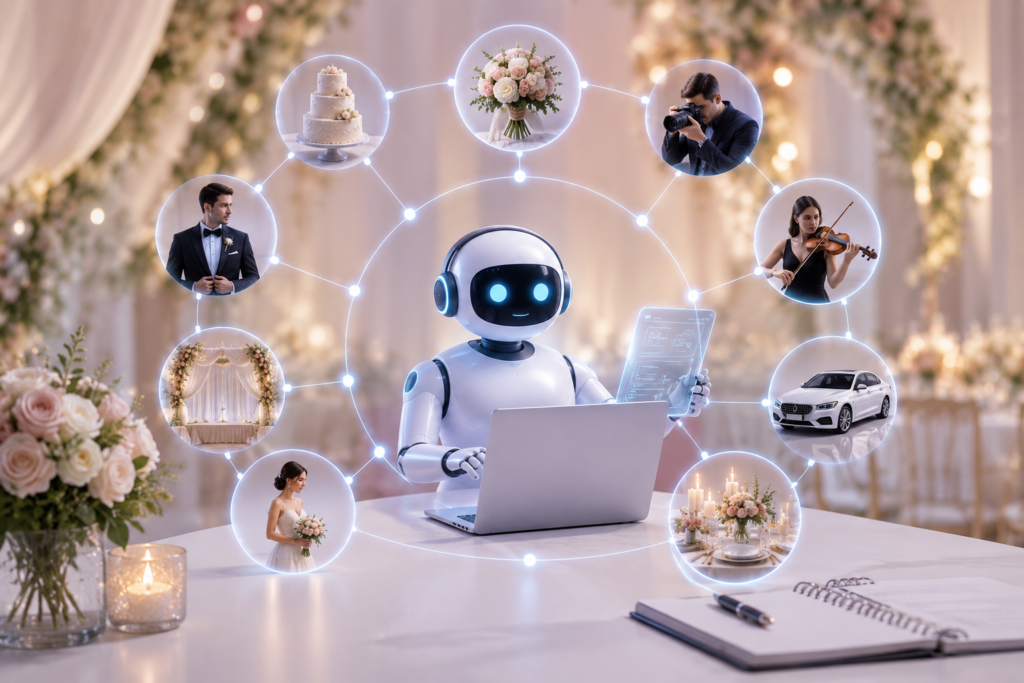
Vendor coordination is one of the most complex parts of wedding management because multiple service providers must collaborate within strict timelines. A Wedding Planning Chatbot simplifies coordination by automating communication and scheduling between vendors and organizers.
Chatbots can automatically schedule vendor meetings, send reminders, confirm bookings, and track payment deadlines. This reduces manual administrative work and minimizes the risk of missed appointments or scheduling conflicts. Vendors also benefit from receiving organized updates and centralized communication channels that improve operational clarity.
Automation enhances workflow efficiency by keeping everyone informed in real time. For example, if event schedules change, chatbots can instantly notify photographers, decorators, caterers, DJs, and transportation providers simultaneously. This rapid communication improves collaboration and helps ensure wedding events run smoothly without unnecessary delays or confusion.
How Wedding Chatbots Improve Lead Generation and Sales
Lead generation is essential for wedding businesses because competition within the industry is extremely high. Couples often contact multiple vendors before making decisions, which means businesses must respond quickly and effectively to capture opportunities. A Wedding Planning Chatbot helps increase lead conversions through instant engagement and automated qualification.
When website visitors arrive, chatbots can greet them proactively and guide them through services, packages, pricing options, and booking procedures. Instead of waiting for manual follow-ups, potential customers receive immediate assistance that keeps them engaged. Chatbots can also collect valuable lead information such as event dates, budgets, guest counts, and preferred services.
This automated qualification process helps businesses prioritize high-value leads and personalize follow-up strategies. Integration with customer relationship management systems further improves sales workflows by organizing customer data and tracking interactions. Faster response times and personalized communication significantly increase the likelihood of converting inquiries into confirmed bookings.
Common Mistakes Businesses Make When Implementing Wedding Chatbots
Although chatbot technology offers substantial benefits, many businesses fail to maximize results because of poor implementation strategies. One common mistake is relying on overly generic chatbot scripts that lack personalization. Wedding planning is deeply emotional and personal, so robotic interactions can frustrate users instead of improving engagement.
Another major issue is failing to integrate the chatbot with existing systems such as booking calendars, payment platforms, or customer databases. Without proper integration, chatbots become isolated tools that create fragmented experiences instead of streamlining workflows. Businesses should ensure chatbot systems work seamlessly with operational processes to deliver maximum efficiency.
Ignoring user experience is another frequent mistake. Complicated chatbot interfaces, slow response times, or limited functionality reduce effectiveness and discourage customer interaction. Businesses should regularly analyze chatbot performance, review customer feedback, and refine conversational flows to improve usability. Successful implementation requires continuous optimization rather than a one-time setup.
FAQs
What is a Wedding Planning Chatbot?
A Wedding Planning Chatbot is an AI-powered virtual assistant designed to automate wedding-related communication, scheduling, guest management, and customer support tasks.
Can a wedding chatbot handle RSVPs?
Yes. Modern chatbots can collect RSVPs, track attendance, manage guest lists, and send automated reminders to guests efficiently.
Are wedding chatbots suitable for small businesses?
Absolutely. Small wedding businesses benefit significantly because chatbots reduce administrative workloads and improve customer engagement without requiring large support teams.
Can chatbots recommend wedding vendors?
Advanced AI chatbots can analyze user preferences and recommend vendors such as photographers, caterers, decorators, and venues based on customer needs.
Do chatbots work on mobile devices?
Yes. Most wedding chatbots are compatible with websites, mobile applications, and messaging platforms, ensuring accessibility across devices.
Can chatbots support multiple languages?
Many modern chatbot systems include multilingual capabilities to assist diverse customer audiences and international wedding guests.
Are wedding chatbots secure?
Reliable chatbot systems use encryption, secure hosting environments, and privacy-focused practices to protect customer data and communications.
Can chatbots integrate with booking systems?
Yes. Chatbots can integrate with appointment scheduling software, payment gateways, customer databases, and CRM platforms to streamline workflows.
Best Practices Summary
Implementing a Wedding Planning Chatbot successfully requires strategic planning, customer-focused design, and continuous optimization. Businesses should prioritize conversational experiences that feel natural, personalized, and easy to use. Fast response times and accurate information significantly improve customer satisfaction and engagement.
Integration is equally important. Chatbots should connect seamlessly with calendars, CRM systems, payment gateways, and communication tools to create efficient workflows. Businesses must also monitor chatbot performance regularly and analyze user behavior to identify opportunities for improvement.
Finally, maintaining transparency and trust is essential. Customers should understand when they are interacting with AI systems, and businesses must prioritize data security and privacy protection. Following trusted digital experience principles recommended by Google Search Essentials helps businesses create reliable, user-focused online experiences that align with long-term SEO and customer engagement goals.
Future Trends in Wedding Planning Chatbot Technology
The future of the wedding industry will be heavily influenced by artificial intelligence, automation, predictive analytics, and immersive digital experiences. A Wedding Planning Chatbot is evolving far beyond simple question-and-answer functionality. Future chatbot systems will become intelligent planning assistants capable of understanding emotions, predicting customer needs, and coordinating entire wedding workflows with minimal manual involvement.
One emerging trend is hyper-personalization powered by machine learning. Future chatbots will analyze browsing behavior, communication patterns, budget preferences, seasonal trends, and engagement history to create highly customized wedding experiences. Couples may receive intelligent recommendations for venues, decorations, catering options, and even music playlists based on their personality profiles and previous interactions. This level of personalization will improve user satisfaction while helping wedding businesses increase conversions and customer loyalty.
Voice-enabled conversational AI is also becoming increasingly important. As smart devices continue growing in popularity, users will interact with wedding chatbots through voice assistants instead of traditional text interfaces. AI systems integrated with smart speakers and mobile devices will allow couples to manage planning tasks using natural voice commands. Businesses that adopt these advanced communication technologies early will gain a significant competitive advantage in the evolving wedding services market.
How Wedding Chatbots Support Omnichannel Communication
Modern consumers interact with businesses across multiple digital platforms, including websites, mobile apps, social media platforms, email, and messaging applications. A Wedding Planning Chatbot supports omnichannel communication by creating a consistent and unified customer experience across all these touchpoints. This consistency is essential because couples often switch between devices and communication channels during the planning process.
For example, a customer may begin a conversation through a website chatbot, continue it later through social media messaging, and finalize an appointment through a mobile application. Omnichannel chatbot integration ensures the conversation history and customer preferences remain synchronized across every platform. This eliminates repetitive communication and creates smoother customer journeys.
Businesses also benefit from centralized communication management. Instead of manually monitoring multiple channels separately, chatbot systems can organize interactions into a single dashboard for easier tracking and follow-up. According to best practices discussed by Google Business Profile Help, businesses that maintain responsive and consistent communication across platforms improve customer trust and digital visibility. Omnichannel chatbot strategies help wedding businesses strengthen engagement while improving operational efficiency.
The Importance of Personalization in Wedding Chatbots
Wedding planning is deeply emotional and highly personal, which makes personalization one of the most important aspects of chatbot implementation. Generic responses and scripted interactions often fail to meet customer expectations because every wedding is unique. A successful Wedding Planning Chatbot must create experiences tailored to individual preferences, styles, budgets, and event requirements.
AI-driven personalization allows chatbots to recommend services and solutions based on customer data and behavioral insights. If a couple prefers minimalist wedding décor with a specific color theme and budget range, the chatbot can provide highly targeted suggestions instead of generic recommendations. Personalized communication improves customer satisfaction because users feel understood and valued throughout the planning journey.
Personalization also improves marketing performance. Businesses can use chatbot-generated data to create customized promotional campaigns, seasonal offers, and follow-up messages. Personalized customer experiences often lead to higher engagement rates, stronger trust, and increased booking conversions. In competitive wedding markets, businesses that prioritize tailored digital interactions are more likely to build lasting customer relationships and positive brand reputations.
Wedding Chatbots and Data-Driven Decision Making
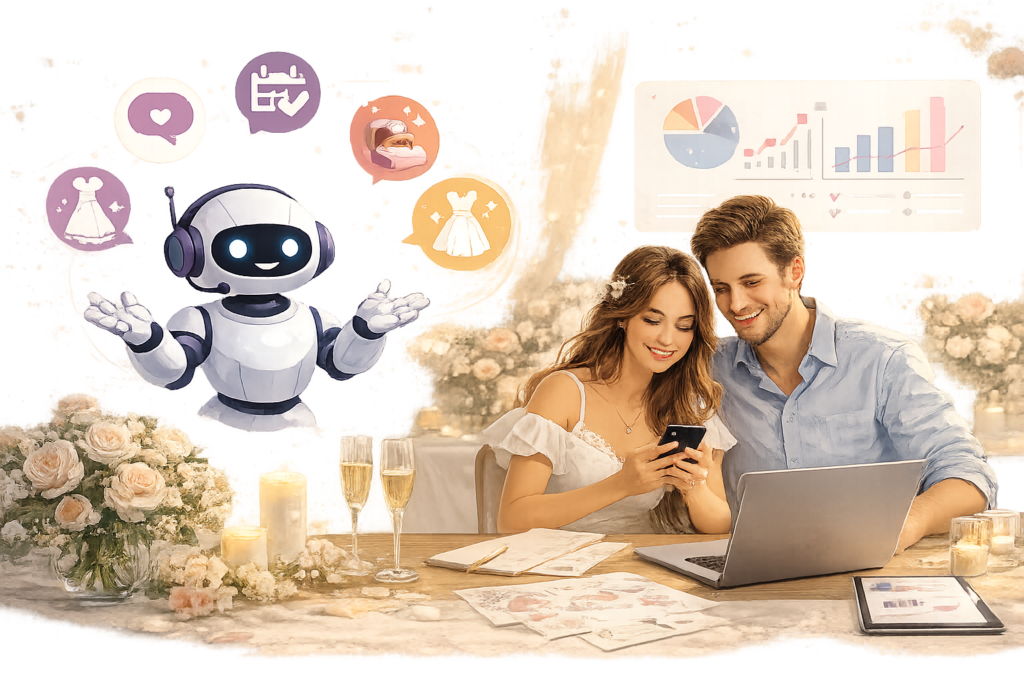
Data analytics has become a major competitive advantage in modern business operations, and wedding chatbots generate valuable insights that help companies make smarter decisions. Every interaction between users and a Wedding Planning Chatbot provides data about customer preferences, frequently asked questions, booking trends, seasonal demands, and communication patterns.
Businesses can analyze this information to improve services, refine marketing strategies, and identify operational inefficiencies. For example, if chatbot data reveals a significant increase in inquiries about outdoor weddings during certain seasons, businesses can adjust promotional campaigns and staffing resources accordingly. Data-driven insights help organizations make proactive decisions instead of relying solely on assumptions.
Chatbot analytics also support customer experience optimization. Businesses can monitor conversation completion rates, response effectiveness, and common drop-off points to improve chatbot design and usability. By continuously analyzing user behavior, wedding businesses can create smoother planning experiences and improve customer satisfaction over time. This combination of automation and analytics makes chatbot technology a valuable long-term investment for growth-oriented companies.
Security and Privacy Considerations for Wedding Chatbots
Wedding planning involves the exchange of sensitive information, including personal details, payment information, guest lists, event schedules, and vendor contracts. Because of this, security and privacy are critical considerations when implementing a Wedding Planning Chatbot. Businesses must ensure customer data remains protected throughout every interaction.
Secure chatbot systems should use encrypted communication protocols, secure hosting environments, access controls, and privacy-focused infrastructure. Businesses must also follow transparent data collection practices and clearly explain how customer information will be stored and used. Customers are far more likely to trust businesses that prioritize privacy and security throughout the planning process.
Strong cybersecurity practices are equally important because wedding businesses are increasingly targeted by phishing attacks, spam campaigns, and unauthorized access attempts. Organizations should regularly update software, monitor chatbot integrations, and implement secure authentication systems. Following security recommendations from trusted resources like Google Safety Center can help businesses create safer digital experiences while maintaining customer trust and regulatory compliance.
Integrating Wedding Chatbots with Marketing Strategies
A Wedding Planning Chatbot is not only a customer support tool but also a powerful marketing asset. Businesses can use chatbot technology to engage visitors, nurture leads, promote services, and improve conversion rates through personalized interactions and automation.
Chatbots can proactively greet website visitors, offer downloadable wedding planning guides, provide promotional discounts, and encourage consultation bookings. Interactive conversations often generate higher engagement compared to static forms because users receive immediate responses and personalized recommendations. Businesses can also use chatbot interactions to collect marketing data and better understand customer interests.
Another major advantage is automated follow-up communication. Chatbots can send reminders about incomplete inquiries, abandoned bookings, upcoming events, and promotional offers. This automated engagement helps maintain customer interest while reducing manual follow-up workloads. Businesses that integrate chatbot technology into broader digital marketing strategies often achieve stronger customer retention and improved lead conversion performance.
How Chatbots Improve Customer Satisfaction in the Wedding Industry
Customer satisfaction is one of the most important success factors in the wedding industry because referrals, online reviews, and reputation significantly influence purchasing decisions. A Wedding Planning Chatbot helps improve satisfaction levels by providing faster communication, better organization, and more personalized experiences.
One major frustration for customers is delayed responses from wedding businesses. Couples planning important life events expect timely communication, and slow replies can damage trust quickly. Chatbots solve this problem by offering instant assistance at any time of day. Whether users need pricing details, vendor availability, or scheduling information, they can access support immediately.
Consistency also plays a key role in customer satisfaction. Chatbots provide accurate and standardized information across every interaction, reducing misunderstandings and confusion. Personalized support combined with reliable communication creates smoother customer experiences that improve trust and confidence. Businesses that deliver convenient and responsive digital experiences are more likely to receive positive reviews and repeat referrals.
Real-World Applications of Wedding Planning Chatbots
Wedding chatbots are already being used across multiple areas of the wedding industry, from venue management to guest engagement and vendor coordination. These real-world applications demonstrate how conversational AI improves efficiency while enhancing customer experiences.
Wedding venues often use chatbots to answer inquiries about pricing, capacity, booking availability, parking, catering options, and event packages. Instead of requiring manual responses for every inquiry, venues can automate communication and schedule consultations instantly. This reduces administrative pressure while improving lead response times.
Wedding planners also benefit from chatbot automation because it simplifies task management and client coordination. Chatbots can send planning reminders, collect client preferences, manage timelines, and coordinate meetings with vendors. Some businesses even use AI systems to provide wedding inspiration, style recommendations, and budget planning assistance. These applications show how chatbot technology supports both operational efficiency and customer engagement throughout the planning process.
Challenges Businesses May Face with Wedding Chatbots
Although chatbot technology offers numerous advantages, businesses may encounter several challenges during implementation and ongoing management. One common issue is designing chatbot conversations that feel natural and engaging instead of robotic or overly scripted. Poor conversational design can reduce user trust and create frustrating customer experiences.
Another challenge involves system integration. Businesses often use multiple platforms for scheduling, payments, customer management, and marketing. Integrating chatbot technology with these existing systems can require technical expertise and strategic planning. Without proper integration, workflows may become fragmented and inefficient instead of streamlined.
Training and maintenance are also important considerations. AI-powered chatbots improve through continuous learning and optimization, which means businesses must regularly review chatbot performance and update conversational flows. Customer expectations evolve over time, so businesses should adapt chatbot strategies accordingly. Companies that treat chatbot implementation as an ongoing improvement process rather than a one-time project achieve better long-term results.
The Competitive Advantage of Early Chatbot Adoption
The wedding industry is highly competitive, and businesses constantly seek innovative ways to differentiate themselves. Early adoption of Wedding Planning Chatbot technology provides a significant competitive advantage by improving communication, increasing operational efficiency, and enhancing customer experiences.
Businesses that implement intelligent chatbot systems often respond faster to inquiries, manage higher volumes of leads, and provide more convenient planning experiences compared to competitors relying solely on traditional communication methods. Faster response times are particularly important because couples frequently contact multiple vendors before making decisions.
Early adopters also gain valuable operational experience with AI technologies before they become industry standards. This allows businesses to refine workflows, build stronger customer relationships, and develop more advanced personalization strategies over time. As customer expectations continue shifting toward digital convenience and instant support, businesses investing in chatbot innovation today are better positioned for long-term growth and industry leadership.
Building Trust Through Transparent AI Communication
Trust is essential in the wedding industry because customers are investing emotionally and financially in one of the most important events of their lives. A Wedding Planning Chatbot should enhance trust rather than create confusion or frustration. Transparent communication practices help businesses maintain credibility while using automation effectively.
Customers should understand when they are interacting with AI systems and know how their information is being used. Clear privacy policies, accurate information, and easy access to human support create more trustworthy experiences. Businesses should also ensure chatbot responses remain honest, helpful, and aligned with customer expectations.
Providing seamless transitions between chatbot interactions and human assistance is equally important. While AI can automate many tasks efficiently, some situations require empathy, creativity, or complex problem-solving that only human professionals can provide. Combining automation with accessible human support creates balanced customer experiences that improve trust and satisfaction.
FAQs
Can wedding chatbots reduce planning stress?
Yes. Chatbots automate repetitive tasks, provide instant support, and help couples stay organized throughout the planning process.
Are AI chatbots expensive to implement?
Costs vary depending on features and integrations, but scalable solutions are available for businesses of all sizes.
Can wedding chatbots send reminders?
Absolutely. Chatbots can send automated reminders for appointments, payments, RSVP deadlines, and event schedules.
Do chatbots improve booking conversions?
Yes. Faster responses and personalized communication often increase customer engagement and lead conversion rates.
Can wedding chatbots integrate with social media?
Modern chatbot systems can integrate with platforms such as Facebook Messenger, Instagram, and WhatsApp for omnichannel communication.
Are wedding chatbots customizable?
Yes. Businesses can customize chatbot branding, conversational flows, recommendations, and workflows according to their specific services.
Can chatbots support destination weddings?
Yes. Chatbots can assist international guests with travel details, accommodation information, and multilingual communication.
Will chatbots replace wedding planners?
No. Chatbots support wedding professionals by automating repetitive tasks, but human creativity and relationship-building remain essential.
Common Mistakes Businesses Should Avoid
One major mistake businesses make is implementing chatbots without clear objectives or planning strategies. Without defined goals, chatbot systems often fail to deliver meaningful business improvements or customer value. Businesses should identify key workflows and customer pain points before implementation.
Another common issue is neglecting chatbot maintenance and optimization. AI systems require continuous updates, testing, and refinement to remain effective. Businesses that ignore analytics and customer feedback often experience declining chatbot performance over time.
Over-automation is another critical problem. While automation improves efficiency, businesses should avoid removing human interaction entirely. Wedding planning involves emotional and personalized communication, which means customers still value access to experienced professionals when needed. Successful businesses maintain a balanced combination of AI automation and human support.
Best Practices Summary
To maximize the benefits of a Wedding Planning Chatbot, businesses should focus on personalization, usability, integration, and transparency. Chatbots should provide natural conversations, accurate information, and seamless access to support while simplifying planning workflows for both customers and internal teams.
Businesses should also prioritize omnichannel communication and system integration to create unified customer experiences across websites, social media platforms, and messaging applications. Continuous monitoring and optimization help ensure chatbot systems remain effective as customer expectations evolve.
Security and trust must remain top priorities throughout implementation. Following digital best practices from trusted resources such as Google Search Central Documentation helps businesses create reliable, user-focused online experiences that align with long-term growth and customer satisfaction goals.
Conclusion
The wedding industry is rapidly embracing digital transformation, and chatbot technology is becoming an essential tool for improving communication, organization, customer engagement, and operational efficiency. A Wedding Planning Chatbot helps businesses simplify complex planning processes while delivering faster, more personalized experiences for couples and guests.
As artificial intelligence continues evolving, chatbot systems will become even more intelligent, predictive, and integrated across digital ecosystems. Businesses that invest in conversational AI today are positioning themselves for long-term success in an increasingly competitive and customer-focused market.
Companies looking to modernize customer experiences and streamline wedding planning operations can explore intelligent automation solutions through EngagerBot. By combining technology with personalized service, wedding businesses can create memorable experiences that strengthen trust, improve efficiency, and drive sustainable growth.
Want to Implement This Easily?
Prompt Text:
You are an expert consultant. Based on the blog post titled “Wedding Planning Chatbot”, provide a step-by-step, practical implementation guide. Include tools, best practices, common mistakes to avoid, and advanced tips. Assume the reader wants to implement everything discussed in this article effectively.
Call to Action:
Want our help implementing this? Just reach out to us via our website contact form: EngagerBot Contact Us