
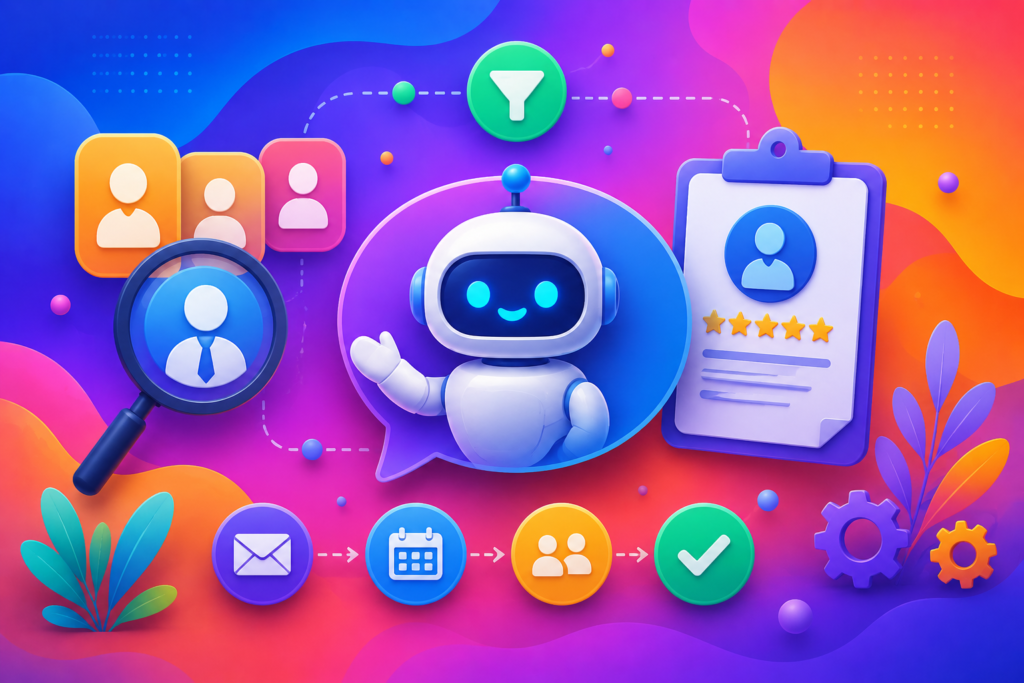
Recruitment Agency Chatbot solutions are transforming hiring by automating candidate engagement, screening, and communication. Discover how AI-powered chatbots improve recruitment efficiency, reduce costs, and enhance candidate experience.
Introduction to Recruitment Agency Chatbots
The recruitment industry has undergone a massive transformation in recent years, driven by rapid advancements in artificial intelligence and automation technologies. One of the most impactful innovations is the rise of recruitment agency chatbots—intelligent virtual assistants designed to streamline and optimize hiring processes. These chatbots are revolutionizing how agencies interact with candidates, manage applications, and deliver a seamless hiring experience.
A recruitment agency chatbot is essentially an AI-powered tool that automates communication between recruiters and job seekers. It can handle tasks such as answering frequently asked questions, collecting candidate information, scheduling interviews, and even pre-screening applicants. By integrating natural language processing (NLP) and machine learning, these chatbots can understand and respond to human queries in a conversational and personalized manner. This significantly reduces manual workload while improving response times and engagement.
At EngagerBot, the focus is on leveraging cutting-edge chatbot technology to help recruitment agencies stay competitive in a fast-paced hiring environment. As talent acquisition becomes more complex, chatbots provide a scalable solution to manage high volumes of applicants without compromising quality. In this guide, we will explore how recruitment chatbots work, their benefits, implementation strategies, and how they align with modern SEO and Google best practices.
Why Recruitment Agencies Need Chatbots in 2026
Recruitment agencies today face unprecedented challenges, including talent shortages, increased competition, and rising candidate expectations. Traditional hiring methods are no longer sufficient to keep up with the demand for faster and more efficient processes. This is where recruitment agency chatbots play a critical role in transforming hiring strategies.
One of the primary reasons agencies need chatbots is the growing demand for instant communication. Modern candidates expect quick responses when applying for jobs or making inquiries. A delay of even a few hours can result in losing top talent to competitors. Chatbots address this issue by providing 24/7 support, ensuring that candidates receive immediate responses regardless of time zones or business hours. This level of responsiveness enhances the overall candidate experience and builds trust.
Another significant factor is operational efficiency. Recruitment involves repetitive tasks such as screening resumes, answering common questions, and scheduling interviews. These tasks consume valuable time that recruiters could otherwise spend on strategic activities. By automating these processes, chatbots free up resources and allow agencies to focus on building relationships and making better hiring decisions. Additionally, chatbots can handle thousands of interactions simultaneously, making them ideal for high-volume recruitment campaigns.
Finally, chatbots enable data-driven decision-making. They collect and analyze candidate data in real time, providing insights into applicant behavior, preferences, and engagement levels. This data can be used to optimize recruitment strategies, improve job descriptions, and enhance targeting efforts. As a result, agencies can achieve better outcomes with fewer resources, making chatbots an essential tool in modern recruitment.
How Recruitment Chatbots Work
Understanding how recruitment chatbots function is essential for leveraging their full potential. These chatbots are powered by a combination of artificial intelligence, natural language processing, and automation technologies that enable them to interact with users in a human-like manner.
At the core of a recruitment chatbot is natural language processing (NLP), which allows the system to understand and interpret human language. When a candidate interacts with the chatbot, their input is analyzed to determine intent and context. The chatbot then generates an appropriate response based on predefined rules or machine learning models. This process happens in real time, ensuring smooth and engaging conversations.
Another key component is integration with recruitment systems such as applicant tracking systems (ATS) and customer relationship management (CRM) platforms. This integration allows chatbots to access and update candidate data, schedule interviews, and track application progress. For example, when a candidate submits their information through a chatbot, it can automatically be added to the ATS, eliminating the need for manual data entry.
Machine learning also plays a crucial role in improving chatbot performance over time. As the chatbot interacts with more users, it learns from these interactions and becomes more accurate in understanding queries and providing responses. This continuous improvement ensures that the chatbot remains effective and relevant, even as recruitment needs evolve.
Key Features of a Recruitment Agency Chatbot
A high-performing recruitment chatbot comes equipped with a range of features designed to enhance efficiency and user experience. These features are tailored to address the unique challenges faced by recruitment agencies and ensure seamless communication with candidates.
One of the most important features is automated candidate screening. Chatbots can ask predefined questions to assess a candidate’s qualifications, experience, and suitability for a role. Based on the responses, the chatbot can filter out unqualified candidates and prioritize those who meet the criteria. This significantly reduces the time spent on manual screening and improves the quality of hires.
Another essential feature is interview scheduling. Coordinating interview times can be a time-consuming process, especially when dealing with multiple candidates and recruiters. Chatbots simplify this by allowing candidates to select available time slots based on the recruiter’s calendar. This eliminates back-and-forth communication and ensures a smooth scheduling process.
Additionally, chatbots provide real-time updates and notifications. Candidates can receive instant updates on their application status, upcoming interviews, and next steps. This transparency enhances the candidate experience and reduces uncertainty. Other features such as multilingual support, integration with job boards, and analytics dashboards further enhance the functionality of recruitment chatbots.
Benefits of Using Recruitment Chatbots
The adoption of recruitment chatbots offers numerous benefits that can significantly improve the efficiency and effectiveness of hiring processes. These benefits extend beyond cost savings and operational efficiency, impacting candidate experience and overall business performance.
One of the most notable benefits is time savings. By automating repetitive tasks such as answering queries and screening candidates, chatbots allow recruiters to focus on more strategic activities. This leads to faster hiring cycles and improved productivity. In a competitive job market, speed is a critical factor in securing top talent, and chatbots provide a clear advantage.
Another key benefit is improved candidate engagement. Chatbots provide instant responses and personalized interactions, creating a positive experience for candidates. This level of engagement helps build a strong employer brand and increases the likelihood of candidates accepting job offers. Moreover, chatbots can maintain consistent communication throughout the recruitment process, reducing drop-off rates.
Cost efficiency is also a significant advantage. Hiring and training additional staff to handle recruitment tasks can be expensive. Chatbots offer a scalable solution that can handle large volumes of interactions without increasing costs. This makes them an ideal investment for agencies looking to optimize their resources and maximize ROI.
Types of Recruitment Chatbots
Recruitment chatbots can be categorized into different types based on their functionality and level of sophistication. Understanding these types helps agencies choose the right solution for their specific needs.
The first type is rule-based chatbots. These chatbots operate on predefined scripts and decision trees, responding to specific keywords or phrases. While they are relatively simple and cost-effective, they have limited capabilities and may struggle with complex queries. However, they are suitable for handling basic tasks such as answering FAQs and collecting candidate information.
The second type is AI-powered chatbots. These chatbots use machine learning and natural language processing to understand and respond to user queries more intelligently. They can handle complex conversations, provide personalized responses, and learn from interactions over time. AI-powered chatbots are ideal for agencies that require advanced functionality and scalability.
Finally, there are hybrid chatbots that combine rule-based and AI capabilities. These chatbots offer the best of both worlds, providing structured responses while also adapting to user input. They are highly versatile and can be customized to meet the unique requirements of recruitment agencies.
Role of AI in Recruitment Automation
Artificial intelligence plays a pivotal role in enhancing the capabilities of recruitment chatbots. By leveraging AI technologies, chatbots can perform complex tasks with high accuracy and efficiency, transforming the recruitment process.
One of the primary applications of AI in recruitment is predictive analytics. AI algorithms can analyze historical data to identify patterns and predict candidate success. This helps recruiters make informed decisions and select candidates who are more likely to perform well in a role. Predictive analytics also enables agencies to optimize their recruitment strategies and improve outcomes.
Another important aspect is personalization. AI-powered chatbots can tailor interactions based on candidate preferences, behavior, and history. This creates a more engaging and relevant experience, increasing the likelihood of successful placements. Personalization also helps build stronger relationships with candidates, enhancing long-term engagement.
AI also enables continuous improvement through machine learning. As chatbots interact with users, they learn from these interactions and refine their responses. This ensures that the chatbot remains effective and up-to-date, even as recruitment needs evolve. The integration of AI into recruitment chatbots is a key factor in their growing adoption and success.
Enhancing Candidate Experience with Chatbots
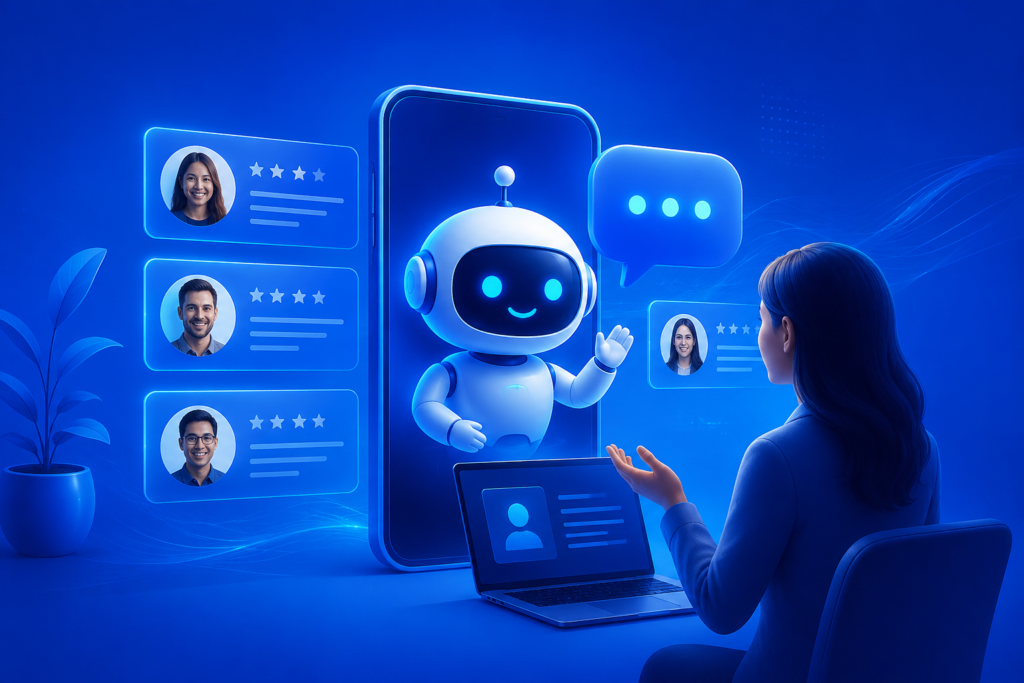
Candidate experience has become a critical factor in recruitment success, and chatbots play a significant role in improving this experience. By providing instant communication and personalized interactions, chatbots create a seamless and engaging journey for candidates.
One of the main ways chatbots enhance candidate experience is through instant responses. Candidates no longer have to wait for hours or days to receive answers to their queries. This level of responsiveness creates a positive impression and increases satisfaction. Additionally, chatbots are available 24/7, ensuring that candidates can access information at their convenience.
Another important aspect is transparency. Chatbots provide real-time updates on application status, interview schedules, and next steps. This reduces uncertainty and keeps candidates informed throughout the process. Transparency builds trust and improves the overall perception of the recruitment agency.
Finally, chatbots offer a personalized experience by tailoring interactions based on candidate data. This includes recommending relevant job opportunities, providing customized feedback, and addressing individual concerns. Personalization not only enhances engagement but also increases the likelihood of successful placements.
Integration with Applicant Tracking Systems (ATS)
Integration with applicant tracking systems is a crucial aspect of recruitment chatbot functionality. This integration ensures seamless data flow and enhances the efficiency of recruitment processes.
An ATS is a software application that manages the entire recruitment process, from job postings to candidate selection. When a chatbot is integrated with an ATS, it can automatically capture and update candidate information. This eliminates the need for manual data entry and reduces the risk of errors.
Another benefit of integration is improved workflow automation. Chatbots can trigger actions within the ATS, such as scheduling interviews, sending notifications, and updating application statuses. This streamlines the recruitment process and ensures that tasks are completed efficiently.
Integration also enables better data analysis and reporting. By combining chatbot interactions with ATS data, agencies can gain valuable insights into candidate behavior and recruitment performance. These insights can be used to optimize strategies and improve outcomes.
Data Security and Compliance in Recruitment Chatbots
Data security and compliance are critical considerations when implementing recruitment chatbots. Given the sensitive nature of candidate information, agencies must ensure that their chatbot solutions adhere to strict security standards and regulations.
One of the key aspects of data security is encryption. Chatbots must use secure communication protocols to protect data during transmission. This ensures that sensitive information such as personal details and resumes is not exposed to unauthorized access. Additionally, data should be stored securely with proper access controls.
Compliance with data protection regulations is also essential. Agencies must ensure that their chatbot solutions comply with relevant laws such as GDPR and other regional regulations. This includes obtaining candidate consent, providing data access rights, and ensuring transparency in data usage.
Regular security audits and updates are necessary to maintain the integrity of chatbot systems. By implementing robust security measures, agencies can build trust with candidates and protect their reputation. Data security is not just a technical requirement but a critical component of a successful recruitment strategy.
How Recruitment Chatbots Improve Hiring Efficiency
Recruitment chatbots significantly enhance hiring efficiency by automating time-consuming processes and streamlining workflows. In traditional recruitment, tasks such as resume screening, initial candidate communication, and interview coordination can take hours or even days. Chatbots eliminate these delays by handling these processes instantly and accurately, enabling recruiters to focus on high-value activities.
One of the most impactful ways chatbots improve efficiency is through automated pre-screening. By asking candidates structured questions about their skills, experience, and qualifications, chatbots can instantly filter out unqualified applicants. This ensures that recruiters only spend time reviewing candidates who meet the job requirements. As a result, the hiring process becomes faster and more targeted, reducing time-to-hire significantly.
Additionally, chatbots streamline communication by acting as a central point of contact for candidates. Instead of managing multiple communication channels, recruiters can rely on chatbots to handle inquiries, provide updates, and schedule interviews. This centralized approach reduces confusion and ensures consistency in communication. Ultimately, recruitment chatbots create a more efficient and organized hiring process, allowing agencies to achieve better results in less time.
Personalization and Candidate Engagement Strategies
Personalization is a key factor in modern recruitment, and chatbots play a crucial role in delivering tailored experiences to candidates. By leveraging data and AI, chatbots can create highly personalized interactions that resonate with individual candidates and improve engagement.
One effective strategy is using candidate data to customize conversations. Chatbots can analyze information such as job preferences, past applications, and interaction history to provide relevant recommendations and responses. For example, if a candidate has previously applied for a marketing role, the chatbot can suggest similar opportunities or provide updates related to that field. This level of personalization enhances the candidate experience and increases the likelihood of successful placements.
Another important aspect is proactive engagement. Instead of waiting for candidates to initiate contact, chatbots can reach out with relevant information, job alerts, and reminders. This keeps candidates engaged throughout the recruitment process and reduces drop-off rates. Proactive communication also demonstrates a commitment to candidate satisfaction, which can improve the agency’s reputation.
Finally, chatbots enable continuous engagement through follow-ups and feedback collection. After an interview or application, chatbots can gather feedback and provide updates, ensuring that candidates remain informed and valued. This ongoing interaction helps build strong relationships and fosters long-term engagement.
SEO Benefits of Recruitment Chatbots for Websites
Recruitment chatbots not only improve hiring processes but also contribute to better search engine optimization (SEO) performance. By enhancing user engagement and providing valuable content, chatbots can positively impact website rankings and visibility.
One of the primary SEO benefits is increased dwell time. When visitors interact with a chatbot, they spend more time on the website, signaling to search engines that the content is valuable and engaging. According to Google Search Central, user engagement metrics such as time on site play a role in determining search rankings. Chatbots help improve these metrics by offering interactive and informative experiences.
Another advantage is improved user experience, which is a critical ranking factor. Chatbots provide instant assistance, helping users find information quickly and efficiently. This reduces bounce rates and enhances overall satisfaction. A well-optimized chatbot can guide users to relevant pages, improving internal linking and site navigation.
Additionally, chatbots can assist with keyword optimization by identifying common user queries and incorporating them into website content. This helps agencies align their content with user intent and improve search visibility. By integrating chatbots into their SEO strategy, recruitment agencies can achieve better rankings and attract more qualified traffic.
Best Practices for Implementing Recruitment Chatbots
Implementing a recruitment chatbot requires careful planning and execution to ensure optimal results. Following best practices can help agencies maximize the benefits of chatbot technology and avoid common pitfalls.
The first step is defining clear objectives. Agencies must identify what they want to achieve with the chatbot, whether it is improving candidate engagement, reducing time-to-hire, or automating specific tasks. Clear objectives provide a roadmap for implementation and help measure success.
Another important practice is designing intuitive and user-friendly conversations. The chatbot should be easy to interact with and provide clear, concise responses. Avoid overly complex flows and ensure that users can easily navigate the conversation. Incorporating natural language processing enhances the chatbot’s ability to understand and respond effectively.
Continuous monitoring and optimization are also essential. Agencies should regularly analyze chatbot performance, identify areas for improvement, and update the system accordingly. This includes refining responses, adding new features, and addressing user feedback. By continuously improving the chatbot, agencies can ensure long-term success and relevance.
Common Mistakes to Avoid When Using Recruitment Chatbots
While recruitment chatbots offer numerous benefits, improper implementation can lead to challenges and inefficiencies. Understanding common mistakes can help agencies avoid these issues and achieve better outcomes.
One common mistake is over-automation. While chatbots are designed to automate processes, relying on them entirely can lead to a lack of human touch. Candidates still value personal interaction, especially during critical stages of the hiring process. Agencies should strike a balance between automation and human involvement to maintain a positive candidate experience.
Another mistake is poor chatbot design. A chatbot with confusing navigation, irrelevant responses, or limited functionality can frustrate users and reduce engagement. It is essential to design the chatbot with the user in mind, ensuring that it is intuitive and responsive. Testing the chatbot thoroughly before deployment can help identify and resolve issues.
Ignoring data privacy and compliance is another critical error. Failure to adhere to data protection regulations can result in legal consequences and damage the agency’s reputation. Agencies must ensure that their chatbot solutions comply with relevant laws and implement robust security measures.
Future Trends in Recruitment Chatbots
The future of recruitment chatbots is shaped by continuous advancements in technology and changing market dynamics. Staying ahead of these trends is essential for agencies looking to remain competitive.
One emerging trend is the integration of advanced AI technologies such as deep learning and predictive analytics. These technologies enable chatbots to provide more accurate and insightful recommendations, improving decision-making and outcomes. Predictive analytics can help identify high-potential candidates and optimize recruitment strategies.
Another trend is the use of voice-enabled chatbots. With the growing popularity of voice assistants, recruitment chatbots are evolving to support voice interactions. This provides a more natural and convenient way for candidates to engage with the system, enhancing the overall experience.
Additionally, chatbots are becoming more integrated with other technologies such as virtual reality (VR) and augmented reality (AR). These integrations create immersive experiences for candidates, allowing them to explore job roles and company environments in a more interactive way. As these technologies continue to evolve, recruitment chatbots will play an even more significant role in shaping the future of hiring.
Measuring ROI of Recruitment Chatbots
Measuring the return on investment (ROI) of recruitment chatbots is essential for evaluating their effectiveness and justifying their implementation. By tracking key metrics, agencies can assess the impact of chatbots on their recruitment processes.
One important metric is time-to-hire. Chatbots reduce the time required to screen candidates, schedule interviews, and communicate with applicants. By comparing time-to-hire before and after chatbot implementation, agencies can quantify the efficiency gains.
Another key metric is cost savings. Chatbots reduce the need for manual labor and additional staff, resulting in lower operational costs. Agencies can calculate cost savings by analyzing expenses related to recruitment activities and comparing them with chatbot implementation costs.
Candidate satisfaction is also a critical factor in measuring ROI. Surveys and feedback can provide insights into the candidate experience and identify areas for improvement. High satisfaction levels indicate that the chatbot is effectively meeting candidate needs and contributing to successful outcomes.
Use Cases Across Different Recruitment Niches
Recruitment chatbots are versatile tools that can be adapted to various industries and niches. Understanding these use cases helps agencies tailor their chatbot solutions to specific requirements.
In the healthcare sector, chatbots can assist in screening candidates for specialized roles such as nurses and doctors. They can verify qualifications, certifications, and availability, ensuring that only qualified candidates are considered. This is particularly important in industries where accuracy and compliance are critical.
In the IT and technology sector, chatbots can handle high volumes of applications and assess technical skills through automated tests and quizzes. This helps agencies identify top talent quickly and efficiently. Chatbots can also provide information about job requirements and company culture, enhancing candidate engagement.
In the retail and hospitality sectors, chatbots can manage seasonal hiring campaigns by handling large volumes of applications and scheduling interviews. This ensures that agencies can meet hiring demands during peak periods without compromising quality.
Building Trust and Transparency with Candidates
Trust and transparency are essential components of a successful recruitment process. Chatbots play a significant role in building trust by providing consistent and reliable communication.
One way chatbots build trust is through clear and transparent communication. Candidates receive accurate information about job roles, application status, and next steps, reducing uncertainty and confusion. Transparency fosters confidence and enhances the overall candidate experience.
Another important aspect is data security. By implementing robust security measures and complying with data protection regulations, agencies can assure candidates that their information is safe. This builds trust and encourages candidates to engage with the chatbot.
Consistency is also key to building trust. Chatbots provide uniform responses and ensure that all candidates receive the same level of service. This eliminates bias and promotes fairness in the recruitment process, further enhancing trust and credibility.
Scaling Recruitment Operations with Chatbots
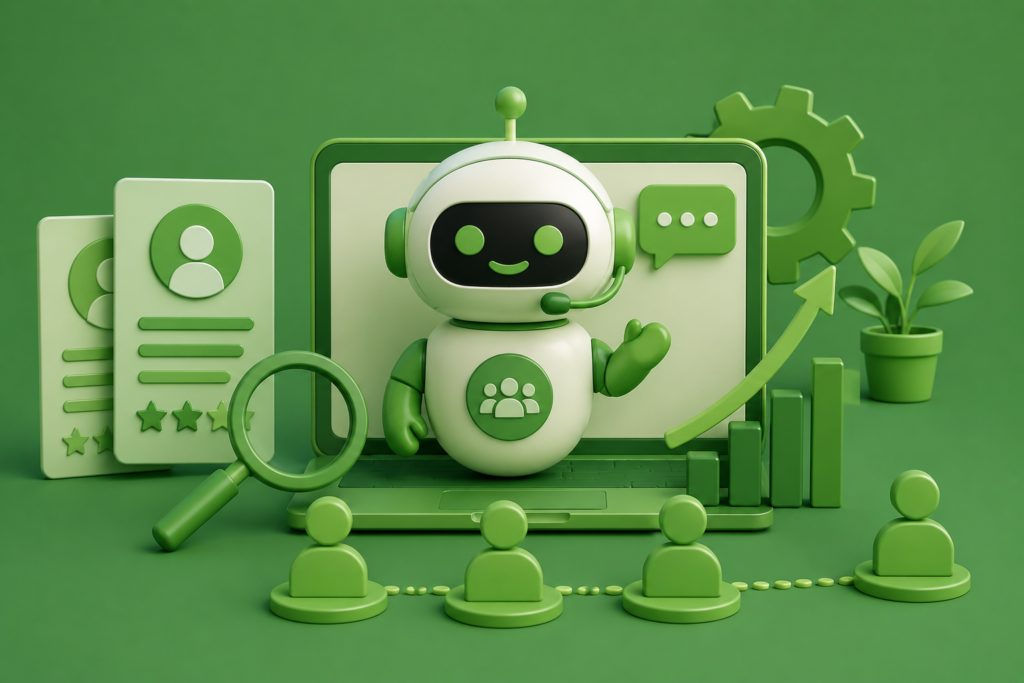
Scaling recruitment operations is a major challenge for agencies, especially during periods of high demand. Chatbots provide a scalable solution that can handle increasing workloads without compromising quality.
One of the main advantages of chatbots is their ability to handle multiple interactions simultaneously. Unlike human recruiters, chatbots can engage with thousands of candidates at once, ensuring that no query goes unanswered. This makes them ideal for large-scale recruitment campaigns.
Chatbots also enable standardized processes, ensuring consistency across all interactions. This reduces errors and improves efficiency, allowing agencies to scale their operations effectively. Standardization also makes it easier to train and onboard new recruiters.
Additionally, chatbots provide valuable insights that can be used to optimize recruitment strategies. By analyzing data on candidate behavior and engagement, agencies can identify trends and make informed decisions. This data-driven approach supports scalable and sustainable growth.
FAQs
1. What is a recruitment agency chatbot?
A recruitment agency chatbot is an AI-powered tool that automates communication and tasks in the hiring process, such as screening candidates and scheduling interviews.
2. How do chatbots improve recruitment efficiency?
They automate repetitive tasks, provide instant responses, and streamline workflows, reducing time-to-hire and improving productivity.
3. Are recruitment chatbots expensive to implement?
Costs vary depending on features and complexity, but they often result in significant cost savings over time.
4. Can chatbots replace human recruiters?
No, chatbots complement recruiters by handling routine tasks, allowing humans to focus on strategic activities.
5. Are chatbots secure for handling candidate data?
Yes, when implemented with proper security measures and compliance with data protection regulations.
6. How do chatbots enhance candidate experience?
They provide instant responses, personalized interactions, and real-time updates, improving engagement and satisfaction.
7. Can chatbots integrate with existing systems?
Yes, most chatbots can integrate with ATS, CRM, and other recruitment tools.
8. What industries benefit from recruitment chatbots?
Industries such as healthcare, IT, retail, and hospitality benefit significantly from chatbot implementation.
Best Practices Summary
To successfully implement recruitment chatbots, agencies should focus on clear objectives, user-friendly design, and continuous optimization. Balancing automation with human interaction ensures a positive candidate experience. Data security and compliance must be prioritized to build trust and avoid legal issues.
Additionally, agencies should leverage analytics to measure performance and identify areas for improvement. Personalization and proactive engagement strategies enhance candidate satisfaction and improve outcomes. By following these best practices, agencies can maximize the benefits of chatbot technology and achieve long-term success.
Conclusion
Recruitment agency chatbots are transforming the hiring landscape by automating processes, improving efficiency, and enhancing candidate experience. As technology continues to evolve, chatbots will play an increasingly important role in shaping the future of recruitment.
At EngagerBot, the goal is to empower recruitment agencies with advanced chatbot solutions that drive results and deliver value. By adopting chatbot technology and following best practices, agencies can stay ahead of the competition and achieve sustainable growth.
Want to Implement This Easily?
Prompt:
You are an expert consultant. Based on the blog post titled “Recruitment Agency Chatbot”, provide a step-by-step, practical implementation guide. Include tools, best practices, common mistakes to avoid, and advanced tips. Assume the reader wants to implement everything discussed in this article effectively.
Call to Action:
Want our help implementing this? Just reach out to us via our website contact form: https://www.engagerbot.com/contact-us/