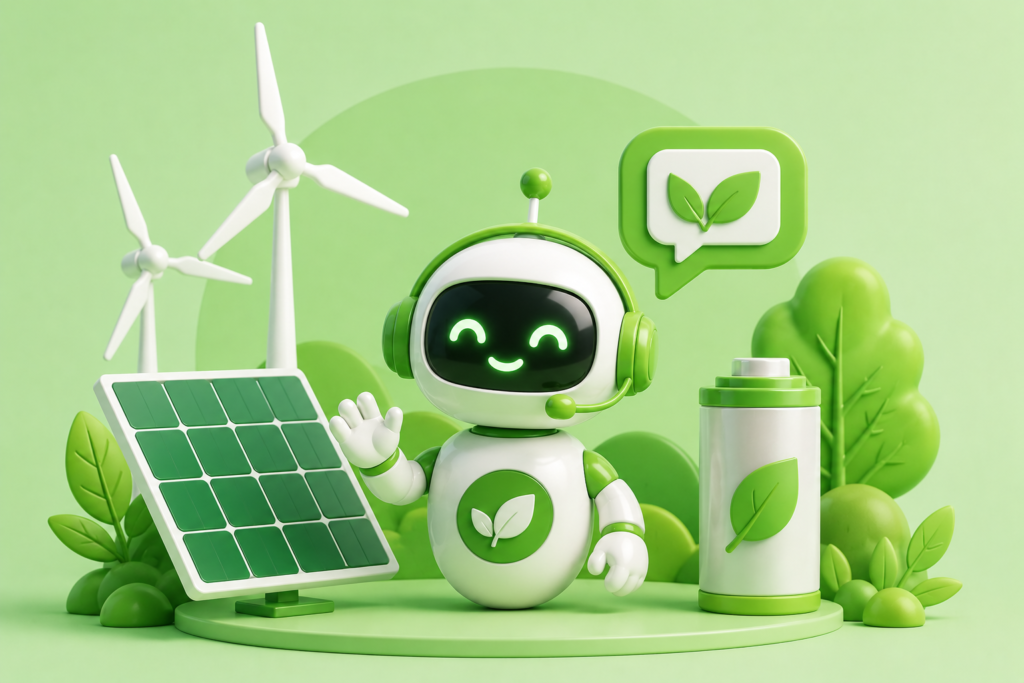
Renewable Energy Chatbot solutions are transforming clean energy businesses by automating customer engagement, improving lead generation, and delivering intelligent support. Discover how AI-powered chatbots drive growth, efficiency, and sustainability in the renewable energy sector.
Introduction
The renewable energy sector is experiencing unprecedented growth as businesses and governments worldwide transition toward cleaner, more sustainable power sources. From solar and wind to hydro and geothermal energy, the demand for renewable solutions continues to rise. However, with this growth comes increased competition, customer inquiries, and operational complexities. This is where a Renewable Energy Chatbot becomes a game-changing solution.
A Renewable Energy Chatbot is an AI-powered conversational tool designed to automate communication, streamline customer interactions, and enhance engagement across renewable energy businesses. Whether it’s answering questions about solar panel installation, providing energy-saving recommendations, or capturing leads, chatbots enable companies to scale efficiently without compromising service quality.
At EngagerBot, businesses are leveraging intelligent chatbot systems to simplify complex energy conversations, improve response times, and drive measurable ROI. As digital transformation accelerates, integrating chatbot technology into renewable energy operations is no longer optional—it is essential for staying competitive in a rapidly evolving market.
What is a Renewable Energy Chatbot?
A Renewable Energy Chatbot is an advanced artificial intelligence system designed specifically to interact with customers, prospects, and stakeholders in the clean energy sector. Unlike generic chatbots, these solutions are tailored to understand industry-specific queries, technical terminology, and user intent related to renewable energy products and services.
These chatbots operate using natural language processing (NLP) and machine learning algorithms to simulate human-like conversations. They can answer questions about solar panel efficiency, wind energy systems, installation costs, government incentives, and maintenance requirements. By providing instant responses, they significantly reduce the burden on customer support teams.
Another defining feature of renewable energy chatbots is their ability to integrate with CRM systems, websites, and mobile apps. This allows businesses to capture leads, qualify prospects, and guide users through the decision-making process. As a result, companies can deliver personalized experiences while improving operational efficiency and reducing costs.
Why Renewable Energy Businesses Need Chatbots
The renewable energy industry is inherently complex, with customers often requiring detailed information before making decisions. Traditional customer support methods struggle to keep up with the volume and depth of inquiries. A Renewable Energy Chatbot addresses this challenge by providing instant, accurate, and consistent responses.
One of the primary reasons businesses adopt chatbots is to improve customer engagement. Potential customers often visit websites outside of business hours, seeking immediate answers. Chatbots ensure that no opportunity is missed by offering 24/7 support, which significantly increases conversion rates.
Additionally, chatbots help businesses scale without increasing operational costs. Instead of hiring large customer support teams, companies can rely on AI to handle repetitive queries. This allows human agents to focus on more complex tasks, improving overall productivity and service quality.
Key Features of Renewable Energy Chatbots
Renewable Energy Chatbots come equipped with a wide range of features designed to enhance user experience and streamline operations. One of the most important features is intelligent query handling. These chatbots can understand and respond to technical questions about energy systems, installation processes, and cost estimates.
Another essential feature is lead generation and qualification. Chatbots can ask users relevant questions, collect contact details, and categorize leads based on their readiness to purchase. This ensures that sales teams focus on high-quality prospects, improving conversion rates.
Integration capabilities are also crucial. Modern chatbots can connect with CRM platforms, email marketing tools, and analytics systems. This allows businesses to track user interactions, measure performance, and optimize their strategies based on real-time data insights.
How AI Powers Renewable Energy Chatbots
Artificial intelligence is the backbone of Renewable Energy Chatbots. Through technologies like machine learning and natural language processing, chatbots can continuously improve their performance and accuracy over time. This enables them to handle increasingly complex interactions with minimal human intervention.
Machine learning algorithms allow chatbots to analyze user behavior and preferences. By understanding patterns, they can deliver more personalized responses and recommendations. For example, a chatbot can suggest the most suitable solar panel system based on a user’s location and energy consumption.
Natural language processing ensures that chatbots can understand conversational language rather than relying on predefined scripts. This creates a more natural and engaging user experience. As AI technology evolves, chatbots are becoming more sophisticated, capable of handling multi-step conversations and complex decision-making processes.
Benefits of Using Renewable Energy Chatbots
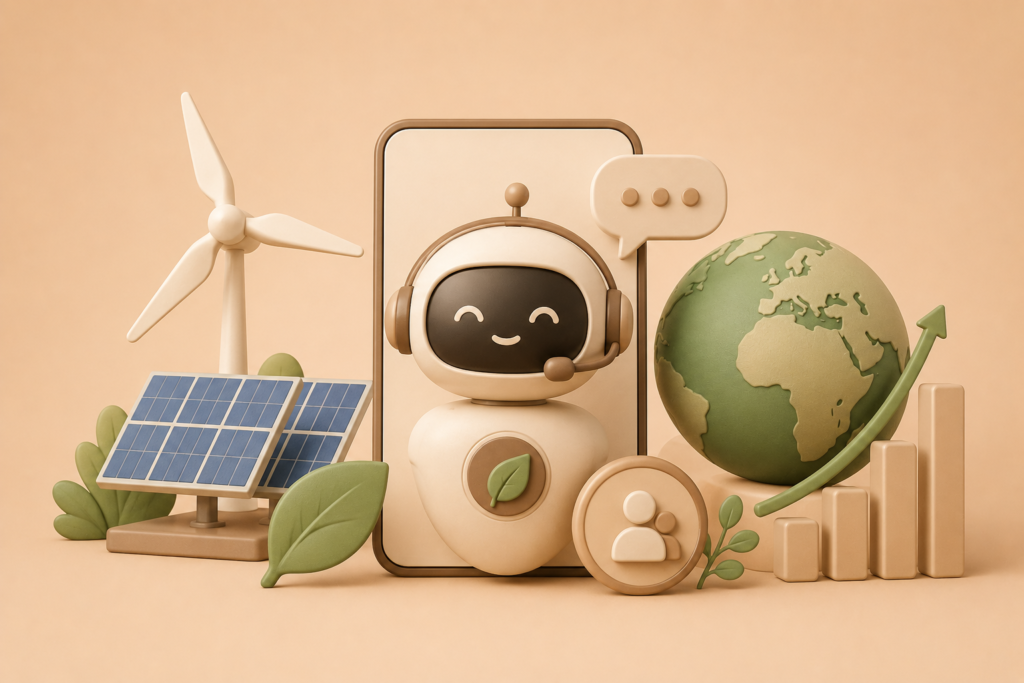
The benefits of implementing a Renewable Energy Chatbot are extensive and impactful. One of the most significant advantages is improved customer satisfaction. Instant responses and personalized interactions create a seamless experience that meets modern user expectations.
Another key benefit is increased lead generation. Chatbots engage visitors proactively, encouraging them to share information and explore services. This results in higher conversion rates and a stronger sales pipeline for renewable energy companies.
Cost efficiency is another major advantage. By automating repetitive tasks, businesses can reduce operational expenses while maintaining high service quality. This makes chatbots a cost-effective solution for companies looking to scale their operations without increasing overhead.
Chatbots for Solar Energy Companies
Solar energy companies are among the biggest beneficiaries of chatbot technology. Customers often have numerous questions about installation costs, ROI, and maintenance requirements. A Renewable Energy Chatbot can address these queries instantly, helping users make informed decisions.
Chatbots can also assist in scheduling consultations and site visits. By collecting user information and preferences, they can automate appointment booking, reducing administrative workload. This ensures a smoother customer journey from initial inquiry to final installation.
Additionally, chatbots can educate users about government incentives and financing options. By providing accurate and up-to-date information, they help customers understand the financial benefits of switching to solar energy, increasing adoption rates.
Chatbots for Wind and Hydro Energy Solutions
Wind and hydro energy businesses face unique challenges in communicating complex technical concepts to customers. Renewable Energy Chatbots simplify this process by breaking down information into easy-to-understand language.
These chatbots can explain how wind turbines work, the benefits of hydroelectric power, and the environmental impact of renewable energy systems. By providing clear and concise explanations, they build trust and credibility with users.
Furthermore, chatbots can assist in project inquiries and stakeholder communication. They can provide updates, answer questions, and facilitate collaboration between different parties involved in energy projects, improving efficiency and transparency.
Role of Chatbots in Customer Education
Education is a critical component of the renewable energy industry. Many potential customers lack the knowledge needed to make informed decisions. A Renewable Energy Chatbot acts as a virtual educator, guiding users through the complexities of clean energy solutions.
Chatbots can provide detailed explanations about different energy sources, system components, and installation processes. They can also offer comparisons, helping users choose the best option for their needs. This empowers customers to make confident decisions.
Additionally, chatbots can deliver educational content such as blog articles, videos, and case studies. By providing valuable resources, they position businesses as industry experts, enhancing their authority and trustworthiness in the market.
Improving Lead Generation with Chatbots
Lead generation is a top priority for renewable energy businesses, and chatbots play a crucial role in achieving this goal. By engaging visitors in real-time, chatbots capture user interest and guide them through the sales funnel.
One of the most effective strategies is conversational lead capture. Instead of traditional forms, chatbots interact with users, asking relevant questions and collecting information in a natural way. This increases user engagement and reduces form abandonment rates.
Chatbots can also qualify leads based on predefined criteria. By analyzing user responses, they can determine the likelihood of conversion and prioritize high-value prospects. This ensures that sales teams focus their efforts on the most promising opportunities.
Enhancing User Experience with Conversational UI
User experience is a critical factor in the success of any digital platform. Renewable Energy Chatbots enhance user experience by providing intuitive and interactive interfaces that make communication seamless and engaging.
Conversational UI allows users to interact with businesses in a natural way, similar to chatting with a human representative. This reduces friction and makes it easier for users to find the information they need. As a result, users are more likely to stay on the website and explore services.
Moreover, chatbots can provide personalized recommendations based on user preferences and behavior. This creates a tailored experience that meets individual needs, increasing satisfaction and loyalty. As user expectations continue to evolve, conversational UI is becoming a standard feature in modern digital experiences.
Integration of Renewable Energy Chatbots with Business Systems
Integrating a Renewable Energy Chatbot with existing business systems is essential for maximizing its efficiency and impact. Modern chatbot platforms are designed to seamlessly connect with CRM software, ERP systems, marketing automation tools, and customer support platforms. This integration ensures that all customer interactions are captured, stored, and utilized effectively across the organization.
One of the most significant advantages of integration is centralized data management. When chatbot interactions are synced with CRM systems, businesses can maintain a complete view of each customer’s journey. This includes inquiries, preferences, previous interactions, and purchase history. With this data, renewable energy companies can deliver highly personalized experiences that improve customer satisfaction and increase conversion rates.
Additionally, integration enables automation across multiple business processes. For example, when a chatbot captures a lead, it can automatically assign the lead to a sales representative, trigger follow-up emails, and update dashboards in real time. This eliminates manual work, reduces human error, and ensures a consistent workflow that enhances operational efficiency.
Renewable Energy Chatbots for Marketing Automation
Marketing automation is a powerful capability that Renewable Energy Chatbots bring to the table. By combining AI with marketing strategies, chatbots help businesses attract, engage, and convert potential customers more effectively. They act as a bridge between website visitors and marketing funnels, ensuring no opportunity is lost.
Chatbots can initiate conversations with visitors based on behavior triggers such as time spent on a page or specific actions taken. For instance, if a user spends time on a solar pricing page, the chatbot can offer assistance, provide cost estimates, or suggest consultation booking. This proactive engagement significantly increases the chances of conversion.
Furthermore, chatbots can segment audiences based on user responses and behavior. This allows businesses to deliver targeted campaigns and personalized messaging. Whether it’s promoting new renewable energy solutions or sharing educational content, chatbots ensure that the right message reaches the right audience at the right time.
Data Analytics and Performance Tracking
Data-driven decision-making is crucial in today’s competitive landscape, and Renewable Energy Chatbots provide valuable insights through advanced analytics. Every interaction with a chatbot generates data that can be analyzed to understand customer behavior, preferences, and pain points.
Key performance metrics include engagement rates, conversion rates, response accuracy, and user satisfaction. By monitoring these metrics, businesses can identify areas for improvement and optimize chatbot performance. For example, if users frequently ask unanswered questions, businesses can update the chatbot’s knowledge base to address those gaps.
Analytics also help in forecasting trends and planning strategies. By analyzing historical data, renewable energy companies can predict customer needs, identify popular services, and adjust their offerings accordingly. This proactive approach ensures that businesses stay ahead of the competition and continuously improve their services.
Security, Compliance, and Best Practices
Security and compliance are critical considerations when implementing a Renewable Energy Chatbot. Since chatbots handle sensitive customer information, businesses must ensure that data is protected and managed responsibly. Following industry best practices and regulatory guidelines is essential for maintaining trust and credibility.
Businesses should implement secure data encryption, authentication protocols, and access controls to protect user information. Following Google’s official security best practices through Google Security Best Practices ensures that systems are protected against vulnerabilities and cyber threats.
Compliance with data protection regulations is equally important. Companies must be transparent about data collection, usage, and storage practices. Providing clear privacy policies and obtaining user consent helps build trust and ensures legal compliance. Regular audits and updates further strengthen security measures and keep systems aligned with evolving standards.
Future Trends in Renewable Energy Chatbots
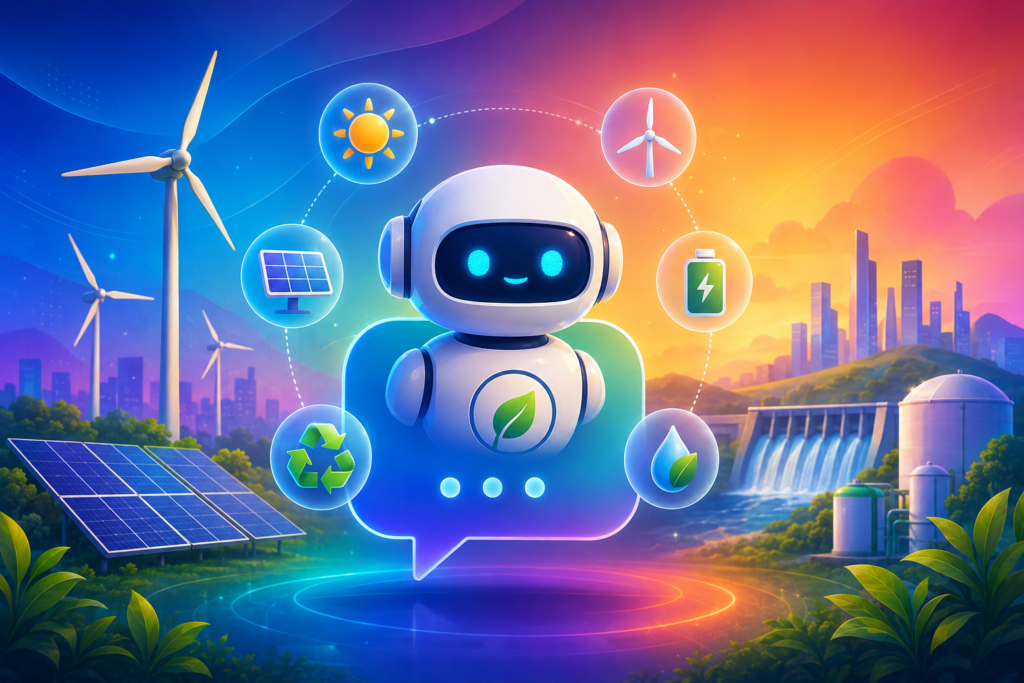
The future of Renewable Energy Chatbots is incredibly promising, driven by advancements in artificial intelligence and evolving customer expectations. One of the most significant trends is the rise of voice-enabled chatbots, allowing users to interact using natural speech rather than text. This enhances accessibility and creates a more intuitive user experience.
Another emerging trend is the integration of predictive analytics. Chatbots will not only respond to queries but also anticipate user needs based on behavior and historical data. For example, a chatbot could proactively suggest energy-saving solutions or maintenance services before the user even asks.
Additionally, the use of AI-driven personalization will continue to grow. Chatbots will deliver highly customized experiences tailored to individual preferences, locations, and energy requirements. As technology evolves, Renewable Energy Chatbots will become even more intelligent, playing a central role in shaping the future of sustainable business operations.
FAQs
1. What is a Renewable Energy Chatbot used for?
A Renewable Energy Chatbot is used to automate customer interactions, answer queries about energy solutions, generate leads, and provide personalized recommendations for renewable energy systems.
2. How do chatbots improve lead generation?
Chatbots engage users in real-time, collect relevant information, and qualify leads based on predefined criteria, ensuring that sales teams focus on high-potential prospects.
3. Are Renewable Energy Chatbots expensive to implement?
The cost varies depending on features and complexity, but chatbots are generally cost-effective as they reduce the need for large support teams and improve operational efficiency.
4. Can chatbots handle complex technical queries?
Yes, advanced chatbots powered by AI and NLP can handle complex technical questions related to renewable energy systems and provide accurate responses.
5. Are chatbots secure for handling customer data?
When implemented with proper security measures such as encryption and compliance with industry standards, chatbots can securely manage customer data.
6. Can chatbots integrate with existing business systems?
Yes, modern chatbots can integrate with CRM, ERP, and marketing automation tools to streamline operations and enhance data management.
7. Do chatbots replace human support teams?
No, chatbots complement human teams by handling repetitive tasks, allowing human agents to focus on more complex and strategic activities.
8. How do chatbots enhance customer experience?
Chatbots provide instant responses, personalized interactions, and 24/7 availability, creating a seamless and satisfying user experience.
Common Mistakes to Avoid
One of the most common mistakes businesses make is deploying a chatbot without proper planning. Simply adding a chatbot to a website without defining clear objectives and use cases often leads to poor performance and user frustration. A well-defined strategy is essential for success.
Another mistake is neglecting chatbot training and updates. Renewable energy is a rapidly evolving industry, and outdated information can harm credibility. Businesses must continuously update their chatbot’s knowledge base to ensure accuracy and relevance.
Over-automation is also a critical issue. While chatbots are powerful tools, relying entirely on automation without human support can lead to negative user experiences. Businesses should maintain a balance by providing an option to connect with human agents when needed.
Best Practices Summary
To maximize the effectiveness of a Renewable Energy Chatbot, businesses should follow proven best practices. First, focus on user intent and design conversations that address real customer needs. Understanding your audience is key to delivering meaningful interactions.
Second, ensure seamless integration with existing systems. This allows for efficient data management and enhances the overall customer experience. A well-integrated chatbot becomes a central component of business operations rather than a standalone tool.
Finally, continuously monitor and optimize performance. Use analytics to identify areas for improvement and refine chatbot responses. Regular updates, testing, and enhancements ensure that the chatbot remains effective and aligned with business goals.
Conclusion
Renewable Energy Chatbots are transforming how businesses in the clean energy sector interact with customers, generate leads, and scale operations. By leveraging AI-powered automation, companies can deliver exceptional user experiences while improving efficiency and reducing costs.
As the demand for renewable energy continues to grow, adopting innovative technologies like chatbots is essential for staying competitive. At EngagerBot, businesses are empowered to harness the full potential of chatbot solutions, driving growth and sustainability in an increasingly digital world.
Want to Implement This Easily?
Prompt:
You are an expert consultant. Based on the blog post titled “Renewable Energy Chatbot”, provide a step-by-step, practical implementation guide. Include tools, best practices, common mistakes to avoid, and advanced tips. Assume the reader wants to implement everything discussed in this article effectively.
Call to Action:
Want our help implementing this? Just reach out to us via our website contact form: https://www.engagerbot.com/contact-us/