
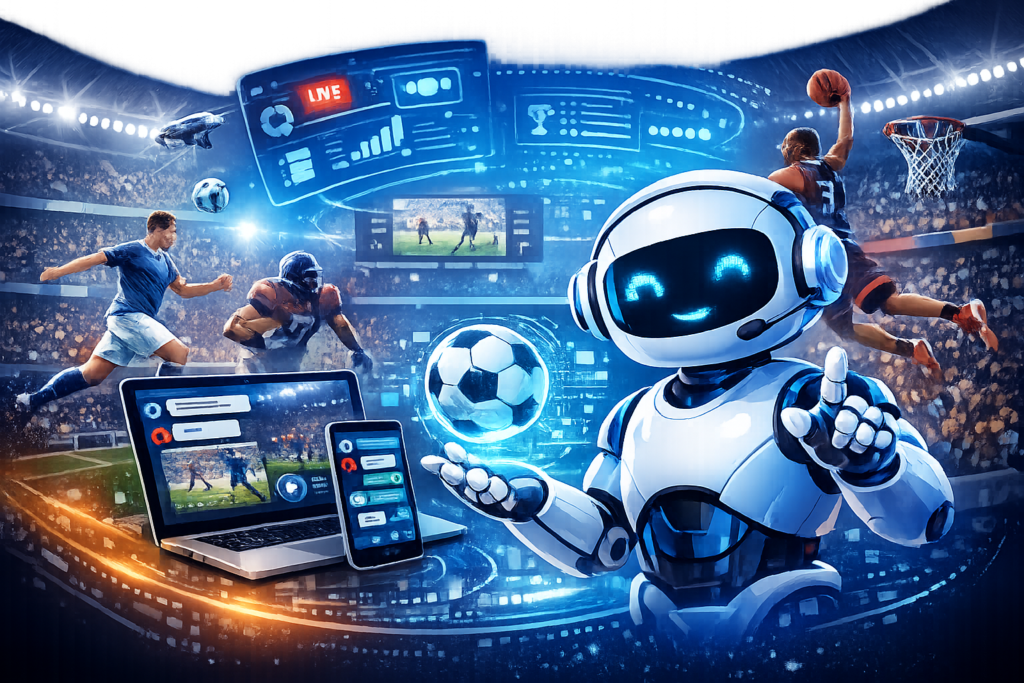
Sport Chatbot solutions are transforming fan engagement, ticket sales, and sports analytics. Discover how AI-powered sports chatbots boost performance, automate interactions, and enhance user experience.
Introduction:
The sports industry has undergone a massive digital transformation in recent years, driven by advancements in artificial intelligence and automation technologies. One of the most impactful innovations in this space is the emergence of the sport chatbot. These intelligent systems are designed to interact with fans, athletes, and organizations in real time, delivering personalized experiences and streamlining communication processes. From answering match-related queries to providing live updates and ticketing assistance, sport chatbots are redefining how audiences engage with sports.
Modern sports organizations face increasing pressure to maintain constant engagement with their audiences across multiple digital platforms. Fans expect instant updates, personalized recommendations, and seamless interactions. A sport chatbot meets these expectations by providing 24/7 support, ensuring that users never miss important information. Whether it is a football club updating fans about match schedules or a fitness brand guiding users through training routines, chatbots play a crucial role in enhancing user satisfaction.
At Engagerbot, the integration of AI-powered chatbot solutions into sports platforms has proven to be a game-changer. By leveraging machine learning and natural language processing, sport chatbots can understand user intent, deliver accurate responses, and continuously improve over time. This blog explores the full potential of sport chatbots, their benefits, implementation strategies, and how they are shaping the future of sports engagement.
What is a Sport Chatbot and How Does It Work?
A sport chatbot is an AI-powered conversational system designed specifically for the sports industry. It interacts with users through messaging platforms, websites, or mobile apps, providing real-time information and support related to sports events, teams, players, and activities. These chatbots utilize advanced technologies such as natural language processing (NLP), machine learning, and data analytics to understand user queries and deliver accurate responses.
The functionality of a sport chatbot is based on its ability to process user inputs and match them with relevant data. For example, when a fan asks about upcoming matches, the chatbot retrieves the latest schedule from a database and presents it instantly. This eliminates the need for manual intervention and significantly reduces response time. Additionally, chatbots can handle multiple queries simultaneously, making them highly efficient for large-scale sports platforms with high traffic volumes.
Another key aspect of sport chatbots is their ability to learn and adapt. Through continuous interaction with users, these systems gather valuable insights into user behavior and preferences. This allows organizations to personalize experiences, recommend content, and improve engagement. According to Google Search Central guidelines, providing helpful and user-focused content is essential for digital success, and sport chatbots align perfectly with this principle by delivering relevant and timely information.
Key Features of a High-Performance Sport Chatbot
A high-quality sport chatbot is equipped with a range of features designed to enhance user experience and streamline operations. One of the most important features is real-time updates. Fans rely on instant information regarding match scores, player statistics, and breaking news. A chatbot ensures that this information is delivered promptly, keeping users engaged and informed.
Another essential feature is personalization. Modern users expect tailored experiences, and sport chatbots excel in this area by analyzing user behavior and preferences. For instance, a chatbot can recommend upcoming matches of a user’s favorite team or provide personalized training tips based on their fitness goals. This level of customization not only improves user satisfaction but also increases retention rates.
Integration capabilities are also crucial for a sport chatbot. It should seamlessly connect with various platforms such as social media, mobile apps, and websites. This ensures a consistent user experience across different channels. Additionally, secure data handling is vital, and organizations must follow best practices outlined by Google Security documentation to protect user information and maintain trust.
Benefits of Using Sport Chatbots for Teams and Organizations
Sport chatbots offer numerous benefits for teams, leagues, and sports organizations. One of the primary advantages is improved fan engagement. By providing instant responses and personalized interactions, chatbots create a more interactive and enjoyable experience for users. This leads to higher levels of satisfaction and loyalty among fans.
Another significant benefit is operational efficiency. Handling thousands of queries manually can be time-consuming and costly. A sport chatbot automates this process, reducing the workload on customer support teams and allowing organizations to focus on more strategic tasks. This not only saves time but also reduces operational costs.
Furthermore, sport chatbots provide valuable data insights. By analyzing user interactions, organizations can gain a deeper understanding of their audience’s preferences and behavior. This data can be used to refine marketing strategies, improve services, and drive revenue growth. Following Google Page Experience guidelines ensures that these interactions are smooth, fast, and user-friendly.
How Sport Chatbots Enhance Fan Engagement
Fan engagement is at the heart of the sports industry, and sport chatbots play a pivotal role in enhancing it. These chatbots provide fans with instant access to information, including live scores, match schedules, and player statistics. This ensures that fans remain connected to their favorite teams and events at all times.
Interactive features such as quizzes, polls, and trivia games further enhance engagement. A sport chatbot can host interactive sessions during live matches, allowing fans to participate and share their opinions. This creates a sense of community and keeps users actively involved in the experience.
Additionally, chatbots enable personalized communication. By understanding user preferences, they can send targeted notifications and updates. This ensures that fans receive relevant content, increasing the likelihood of interaction. According to Google helpful content system, delivering user-centric content is essential, and sport chatbots excel in this area.
Role of AI and Machine Learning in Sport Chatbots
Artificial intelligence and machine learning are the backbone of sport chatbots. These technologies enable chatbots to understand natural language, interpret user intent, and deliver accurate responses. NLP algorithms allow chatbots to process complex queries and provide meaningful answers, enhancing user experience.
Machine learning plays a crucial role in improving chatbot performance over time. By analyzing past interactions, chatbots can identify patterns and optimize their responses. This continuous learning process ensures that the chatbot becomes more efficient and accurate with each interaction.
AI also enables predictive analytics, allowing sport chatbots to anticipate user needs. For example, a chatbot can suggest upcoming matches or recommend training programs based on user behavior. This proactive approach enhances user satisfaction and engagement. Adhering to Google AI principles ensures ethical and responsible use of these technologies.
Use Cases of Sport Chatbots Across Different Sports
Sport chatbots are versatile tools that can be applied across various sports. In football, they provide live match updates, player statistics, and ticket booking assistance. Fans can interact with chatbots to get instant information and stay connected with their favorite teams.
In basketball and cricket, chatbots are used to deliver real-time scores, match highlights, and news updates. They also facilitate fan engagement through interactive features such as polls and quizzes. This enhances the overall experience and keeps users engaged.
Fitness and training applications also benefit from sport chatbots. These chatbots provide personalized workout plans, track progress, and offer guidance to users. By integrating with wearable devices, they can deliver real-time feedback and improve performance. Following Google fitness app guidelines ensures optimal functionality and user experience.
Sport Chatbots for Ticketing and Event Management
Ticketing and event management are critical aspects of the sports industry, and sport chatbots simplify these processes significantly. Users can book tickets, check availability, and receive confirmations instantly through a chatbot interface. This eliminates the need for complex navigation and enhances user convenience.
Chatbots also provide reminders and updates regarding upcoming events. Fans can receive notifications about match timings, venue changes, and special offers. This ensures that they stay informed and do not miss important events.
Additionally, chatbots can handle large volumes of ticketing queries during peak times. This reduces the burden on customer support teams and ensures a smooth experience for users. Implementing best practices from Google performance optimization guidelines helps maintain fast and efficient interactions.
Integration of Sport Chatbots with Social Media Platforms
Social media platforms are essential for sports engagement, and integrating sport chatbots with these platforms enhances their effectiveness. Chatbots can interact with users on platforms like Facebook Messenger, WhatsApp, and Instagram, providing instant responses and updates.
This integration allows organizations to reach a wider audience and engage with users on their preferred platforms. Chatbots can share match updates, promotional content, and personalized recommendations, increasing visibility and interaction.
Moreover, social media integration enables seamless communication between fans and organizations. Users can ask questions, provide feedback, and receive support directly through messaging platforms. Following Google social media best practices ensures effective and compliant usage.
Data Analytics and Insights from Sport Chatbots
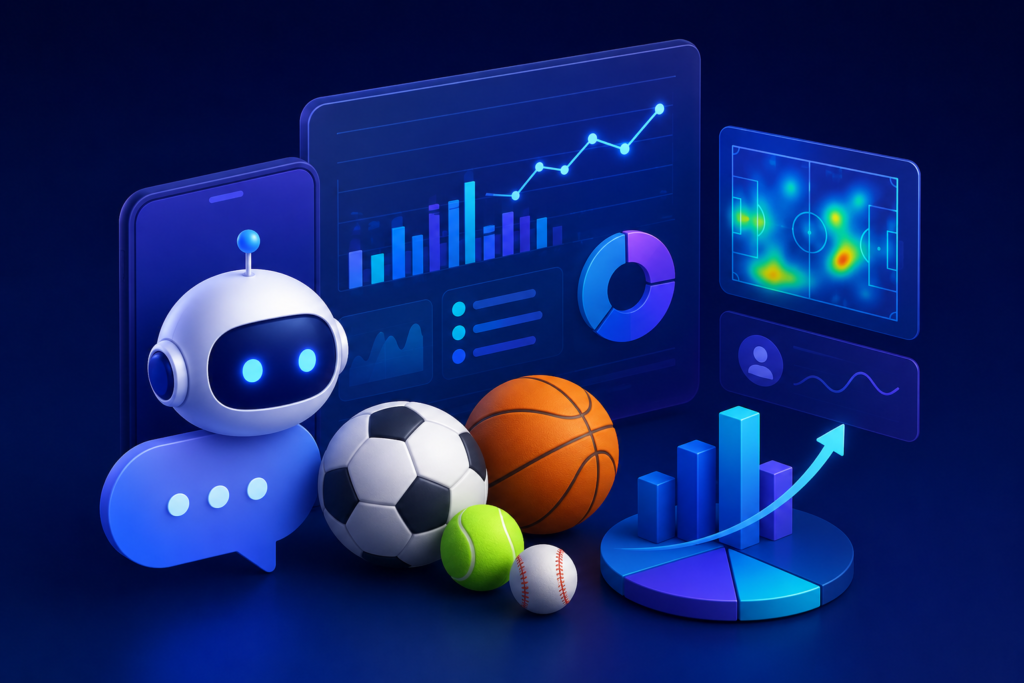
Sport chatbots generate valuable data that can be used to gain insights into user behavior and preferences. By analyzing interactions, organizations can identify trends, understand user needs, and optimize their strategies.
These insights help in improving marketing campaigns, enhancing user experience, and increasing revenue. For example, understanding which teams or events attract the most attention allows organizations to focus their efforts accordingly.
Data security is also crucial, and organizations must ensure that user information is protected. Following Google data protection guidelines helps maintain trust and compliance.
Personalization and User Experience in Sport Chatbots
Personalization has become a defining factor in digital success, and sport chatbots are leading the way in delivering tailored user experiences. By leveraging user data such as browsing behavior, favorite teams, and past interactions, these chatbots create highly customized communication flows. This ensures that users receive content that is not only relevant but also engaging, increasing the likelihood of long-term interaction.
A sport chatbot can recommend matches, send reminders, and even suggest merchandise based on individual preferences. For example, a fan who frequently follows a specific team can receive real-time alerts, exclusive content, and ticket offers related to that team. This level of personalization enhances the emotional connection between fans and sports organizations, leading to higher engagement and loyalty.
User experience is further improved through intuitive design and seamless navigation. Chatbots provide quick responses, eliminate unnecessary steps, and ensure that users can access information effortlessly. According to Google user experience guidelines, delivering fast and user-friendly interactions is essential for digital platforms, and sport chatbots excel in meeting these standards.
Security and Privacy Considerations in Sport Chatbots
As sport chatbots handle sensitive user data, including personal information and payment details, security and privacy are critical concerns. Organizations must implement robust security measures to protect user data and prevent unauthorized access. This includes encryption, secure authentication methods, and regular system updates to address potential vulnerabilities.
Privacy compliance is equally important, especially with regulations such as GDPR and other data protection laws. Users must be informed about how their data is collected, stored, and used. Transparency builds trust and ensures that users feel confident interacting with the chatbot. A well-designed sport chatbot includes clear privacy policies and allows users to control their data preferences.
Adhering to industry standards and guidelines is essential for maintaining security. Organizations should follow best practices outlined by Google security best practices to ensure that their chatbot systems are secure and reliable. By prioritizing security and privacy, sport chatbots can build trust and foster long-term user relationships.
Future Trends in Sport Chatbot Technology
The future of sport chatbots is shaped by continuous advancements in artificial intelligence and digital technologies. One of the most promising trends is the integration of voice assistants, allowing users to interact with chatbots through voice commands. This enhances accessibility and provides a more natural and convenient user experience.
Another emerging trend is the use of augmented reality (AR) and virtual reality (VR) in chatbot interactions. These technologies can create immersive experiences, enabling fans to explore stadiums, view player stats in 3D, and engage with interactive content. This adds a new dimension to fan engagement and sets the stage for innovative sports experiences.
Additionally, predictive analytics and advanced machine learning algorithms are expected to play a significant role in the evolution of sport chatbots. These technologies enable chatbots to anticipate user needs, deliver proactive recommendations, and provide deeper insights. Following Google AI and future technology guidelines ensures that these advancements are implemented responsibly and ethically.
Challenges in Implementing Sport Chatbots
While sport chatbots offer numerous benefits, their implementation comes with certain challenges. One of the primary challenges is ensuring accurate and context-aware responses. Chatbots must be trained with extensive data to understand complex queries and provide relevant answers. Without proper training, they may deliver incorrect or generic responses, negatively impacting user experience.
Another challenge is integration with existing systems. Sports organizations often use multiple platforms for ticketing, content management, and customer support. Ensuring seamless integration between these systems and the chatbot requires careful planning and technical expertise. Any disruption in integration can lead to inefficiencies and user dissatisfaction.
Cost and resource allocation can also be a concern, especially for smaller organizations. Developing and maintaining a high-quality sport chatbot requires investment in technology, training, and ongoing optimization. However, by following guidelines from Google technical SEO documentation, organizations can ensure that their chatbot implementation is efficient, scalable, and aligned with best practices.
Choosing the Right Sport Chatbot Solution
Selecting the right sport chatbot solution is crucial for achieving desired outcomes. Organizations must evaluate their specific needs, goals, and target audience before choosing a chatbot platform. Factors such as scalability, customization, and integration capabilities should be carefully considered.
A reliable sport chatbot solution should offer advanced features such as natural language processing, real-time analytics, and multi-platform support. It should also provide flexibility for customization, allowing organizations to tailor the chatbot to their unique requirements. This ensures that the chatbot aligns with the brand’s identity and delivers a consistent user experience.
Additionally, organizations should consider the reputation and expertise of the chatbot provider. Choosing a trusted solution ensures reliability, security, and ongoing support. Following Google vendor evaluation guidelines helps organizations make informed decisions and select the best chatbot solution for their needs.
Measuring the Success of Sport Chatbots
Measuring the effectiveness of a sport chatbot is essential for continuous improvement and optimization. Key performance indicators (KPIs) such as user engagement, response time, and conversion rates provide valuable insights into chatbot performance. These metrics help organizations identify areas for improvement and refine their strategies.
User feedback is another important factor in evaluating chatbot success. By collecting and analyzing feedback, organizations can understand user satisfaction levels and address any issues. This ensures that the chatbot continues to meet user expectations and deliver value.
Analytics tools play a crucial role in tracking chatbot performance. They provide detailed reports on user interactions, behavior patterns, and engagement levels. Following Google analytics best practices ensures accurate data collection and meaningful insights, enabling organizations to optimize their chatbot strategies effectively.
Common Mistakes to Avoid When Using Sport Chatbots
One of the most common mistakes organizations make is over-relying on automation without considering user experience. While chatbots are designed to handle queries efficiently, they should not replace human interaction entirely. Providing an option to connect with a human agent ensures that complex issues are addressed effectively.
Another mistake is failing to update and train the chatbot regularly. Sports data is dynamic, and outdated information can lead to incorrect responses. Regular updates and continuous learning are essential for maintaining accuracy and relevance.
Ignoring user feedback is another critical error. Feedback provides valuable insights into user preferences and expectations. Organizations that fail to act on this feedback risk losing user trust and engagement. Additionally, neglecting security measures can expose user data to risks, emphasizing the importance of following Google security recommendations.
Best Practices for Implementing Sport Chatbots
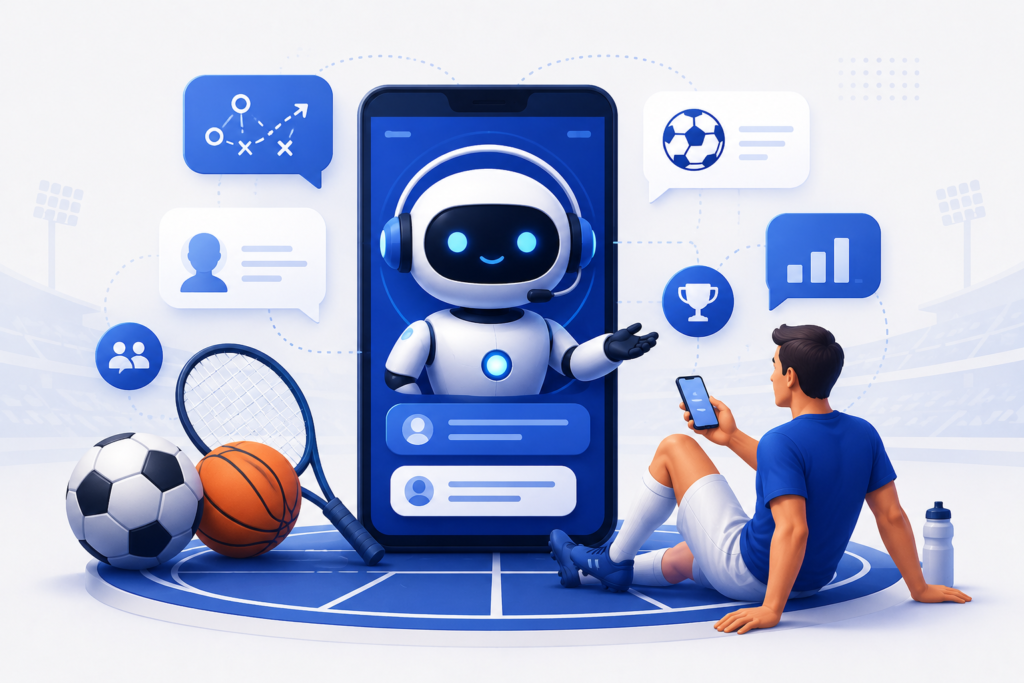
Implementing a successful sport chatbot requires a strategic approach and adherence to best practices. One of the key practices is defining clear objectives. Organizations should identify their goals, such as improving fan engagement, increasing ticket sales, or enhancing customer support, and design the chatbot accordingly.
Another important practice is focusing on user-centric design. The chatbot should be intuitive, easy to navigate, and capable of delivering quick responses. Personalization and contextual understanding further enhance user experience, making interactions more meaningful.
Continuous monitoring and optimization are also essential. Regular analysis of performance metrics and user feedback helps identify areas for improvement. Following Google continuous improvement guidelines ensures that the chatbot remains effective, relevant, and aligned with user needs.
FAQs
1. What is a sport chatbot?
A sport chatbot is an AI-powered tool designed to interact with users and provide sports-related information, updates, and support in real time.
2. How do sport chatbots improve fan engagement?
They deliver personalized content, real-time updates, and interactive features that keep fans actively involved.
3. Are sport chatbots secure?
Yes, when implemented with proper security measures such as encryption and compliance with data protection regulations.
4. Can sport chatbots handle ticket bookings?
Yes, they can manage ticketing processes, including booking, confirmations, and reminders.
5. What technologies power sport chatbots?
They use artificial intelligence, machine learning, and natural language processing.
6. How can organizations measure chatbot success?
By tracking KPIs such as engagement rates, response times, and user satisfaction.
7. Are sport chatbots suitable for small organizations?
Yes, scalable solutions are available for organizations of all sizes.
8. What is the future of sport chatbots?
The future includes advancements in voice interaction, AR/VR integration, and predictive analytics.
Conclusion: Transforming the Sports Industry with Sport Chatbots
Sport chatbots are revolutionizing the way sports organizations interact with their audiences. By combining artificial intelligence, personalization, and real-time communication, these tools provide a seamless and engaging user experience. From enhancing fan engagement to streamlining operations and generating valuable insights, sport chatbots offer immense potential for growth and innovation.
At Engagerbot, the focus is on delivering cutting-edge chatbot solutions that empower sports organizations to stay ahead in a competitive digital landscape. By adopting best practices, prioritizing user experience, and leveraging advanced technologies, organizations can unlock the full potential of sport chatbots and achieve long-term success.
Want to Implement This Easily?
Prompt:
You are an expert consultant. Based on the blog post titled “Sport Chatbot”, provide a step-by-step, practical implementation guide. Include tools, best practices, common mistakes to avoid, and advanced tips. Assume the reader wants to implement everything discussed in this article effectively.
Call to Action:
Want our help implementing this? Just reach out to us via our website contact form: https://www.engagerbot.com/contact-us/