
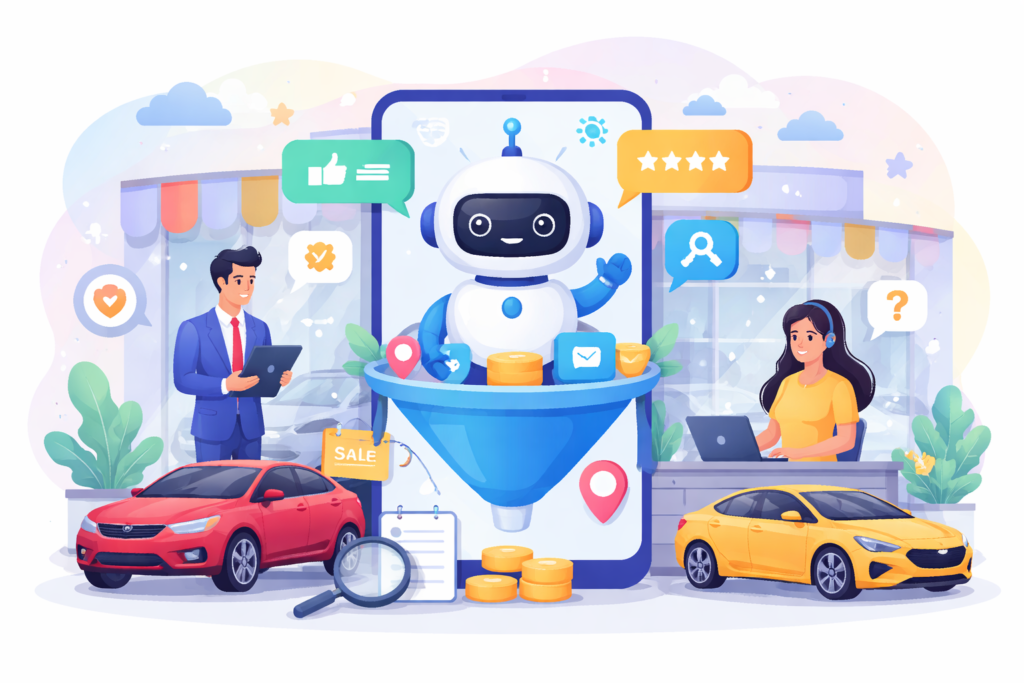
Automotive chatbot solutions are transforming the car industry with AI-driven customer engagement, lead generation, and 24/7 support. Discover how automotive chatbots boost sales, enhance user experience, and streamline dealership operations.
Introduction
The automotive industry is undergoing a massive digital transformation, and one of the most impactful innovations driving this change is the automotive chatbot. As customer expectations evolve, businesses must provide instant, personalized, and seamless interactions across digital platforms. This is where AI-powered chatbots step in, revolutionizing how dealerships, manufacturers, and service providers communicate with their audiences.
At its core, an automotive chatbot is an intelligent virtual assistant designed to handle customer queries, guide users through the buying journey, and automate repetitive processes. Whether it’s answering questions about vehicle specifications, scheduling test drives, or providing financing information, these bots ensure that customers receive real-time assistance without delays.
For businesses looking to stay competitive, platforms like Engagerbot offer advanced chatbot solutions tailored for the automotive sector. By leveraging artificial intelligence, machine learning, and natural language processing, companies can enhance user engagement while significantly reducing operational costs. This blog explores everything you need to know about automotive chatbots—from their benefits and features to implementation strategies and best practices.
What Is an Automotive Chatbot and How Does It Work?
An automotive chatbot is a specialized AI-driven tool designed to simulate human-like conversations within the automotive ecosystem. These chatbots operate on websites, mobile apps, messaging platforms, and even social media channels, allowing businesses to engage customers wherever they are. The primary goal is to automate communication while delivering accurate and relevant information instantly.
The technology behind these chatbots typically includes natural language processing (NLP) and machine learning algorithms. NLP enables the chatbot to understand user intent, interpret queries, and provide meaningful responses. Over time, machine learning allows the bot to improve its accuracy by analyzing past interactions. This combination ensures that conversations feel natural rather than robotic, which significantly enhances user experience.
Automotive chatbots can be either rule-based or AI-powered. Rule-based bots follow predefined scripts, making them suitable for simple queries. In contrast, AI-powered chatbots can handle complex conversations, provide personalized recommendations, and even integrate with backend systems like CRM and inventory databases. This makes them invaluable for dealerships looking to automate lead generation and customer support processes effectively.
Why Automotive Businesses Need Chatbots Today
The modern customer expects instant responses and seamless digital experiences. In the automotive sector, where purchasing decisions are often complex and time-consuming, delays in communication can lead to lost opportunities. Automotive chatbots address this challenge by providing 24/7 availability, ensuring that no customer query goes unanswered.
Another critical factor driving chatbot adoption is the increasing reliance on online research. Buyers often explore multiple options before visiting a dealership. Chatbots can engage these users during the research phase by answering questions, recommending vehicles, and capturing leads. This proactive approach helps businesses nurture potential customers even before direct human interaction occurs.
Additionally, chatbots significantly reduce operational costs by automating repetitive tasks such as answering FAQs, booking appointments, and providing service updates. This allows human staff to focus on high-value interactions, such as closing sales or handling complex customer concerns. In a highly competitive market, this efficiency can be a game-changer for automotive businesses aiming to scale their operations.
Key Features of a High-Performing Automotive Chatbot
A successful automotive chatbot is defined by its features and capabilities. One of the most important features is real-time response handling, which ensures that users receive instant answers to their queries. This reduces bounce rates and keeps potential customers engaged on your platform.
Another essential feature is vehicle recommendation functionality. By analyzing user preferences, budget, and requirements, chatbots can suggest suitable vehicles. This personalized experience not only improves customer satisfaction but also increases the likelihood of conversions. Integration with inventory systems ensures that recommendations are accurate and up to date.
Advanced chatbots also include lead capture and qualification tools. These tools collect user information such as contact details, preferences, and purchase intent. The chatbot can then categorize leads based on their readiness to buy, allowing sales teams to prioritize high-quality prospects. This level of automation enhances efficiency and ensures that no opportunity is missed.
How Automotive Chatbots Improve Customer Experience
Customer experience is a critical factor in the automotive industry, where purchasing decisions are often influenced by trust and convenience. Automotive chatbots play a vital role in enhancing this experience by providing instant, accurate, and personalized responses to user queries.
One of the most significant advantages is 24/7 availability. Unlike human agents, chatbots can operate around the clock, ensuring that customers receive assistance at any time. This is particularly beneficial for global businesses or customers in different time zones. Immediate responses also reduce frustration and improve overall satisfaction.
Moreover, chatbots can deliver consistent and error-free communication. Human interactions can sometimes lead to inconsistencies, especially when dealing with large volumes of inquiries. Chatbots eliminate this issue by providing standardized responses based on verified data. This ensures that customers always receive reliable information, which is essential for building trust and credibility.
Role of AI and Machine Learning in Automotive Chatbots
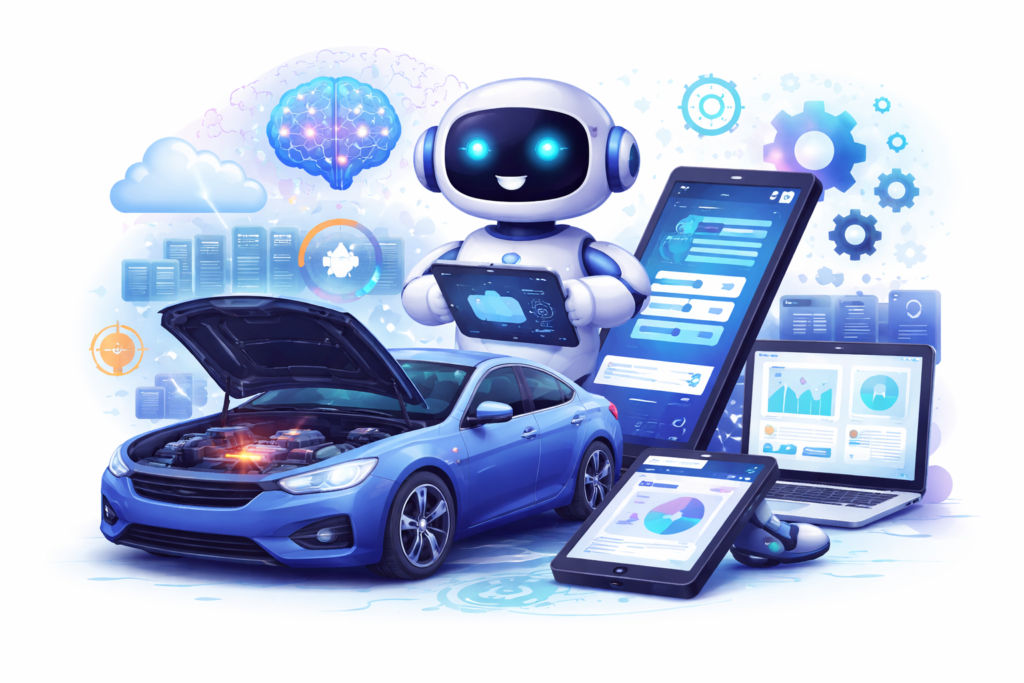
Artificial intelligence and machine learning are the backbone of modern automotive chatbots. These technologies enable chatbots to understand user intent, learn from interactions, and continuously improve their performance over time.
Machine learning algorithms analyze user behavior, preferences, and past interactions to deliver personalized experiences. For example, if a user frequently searches for SUVs within a specific price range, the chatbot can prioritize similar recommendations in future interactions. This level of personalization enhances user engagement and increases the chances of conversion.
AI also enables chatbots to handle complex queries by understanding context and sentiment. This means that the chatbot can differentiate between a casual inquiry and a serious purchase intent. By adapting its responses accordingly, the chatbot can guide users through the sales funnel more effectively. This intelligent interaction is what sets AI-powered chatbots apart from traditional rule-based systems.
Automotive Chatbots for Lead Generation and Sales Growth
Lead generation is one of the most valuable applications of automotive chatbots. By engaging website visitors in real time, chatbots can capture leads that might otherwise be lost. This is particularly important in an industry where customer acquisition costs are high.
Chatbots can initiate conversations with users based on their behavior, such as time spent on a page or specific actions taken. For example, if a user spends several minutes browsing a particular vehicle, the chatbot can offer assistance or suggest booking a test drive. This proactive engagement increases the likelihood of capturing qualified leads.
Furthermore, chatbots can nurture leads through personalized follow-ups and recommendations. By maintaining consistent communication, businesses can build relationships with potential customers and guide them toward making a purchase decision. This continuous engagement significantly improves conversion rates and drives sales growth.
Integration with CRM and Automotive Systems
Integration is a crucial aspect of automotive chatbot functionality. By connecting with CRM systems, chatbots can access and update customer data in real time. This ensures that all interactions are recorded and can be used for future reference.
CRM integration also enables personalized communication by providing insights into customer history and preferences. For example, if a customer has previously inquired about a specific model, the chatbot can reference this information in future interactions. This creates a more personalized and engaging experience.
In addition to CRM systems, chatbots can integrate with inventory management systems, appointment scheduling tools, and payment gateways. This allows them to handle a wide range of tasks, from checking vehicle availability to booking service appointments. Such seamless integration enhances operational efficiency and improves the overall customer journey.
Automotive Chatbots for Customer Support and After-Sales Service
Customer support is a critical component of the automotive industry, especially when it comes to after-sales service. Automotive chatbots can significantly enhance support by providing instant assistance for common queries and issues.
For instance, chatbots can help customers schedule maintenance appointments, check service status, and receive reminders for upcoming services. This level of automation reduces the workload on support teams while ensuring that customers receive timely assistance.
Additionally, chatbots can handle warranty-related queries, troubleshooting, and general support requests. By providing quick and accurate responses, they improve customer satisfaction and loyalty. In an industry where long-term relationships are essential, this can have a significant impact on business success.
Personalization Strategies in Automotive Chatbots
Personalization is no longer optional in the automotive industry—it is a core expectation. Automotive chatbots excel in delivering tailored experiences by leveraging user data, browsing behavior, and interaction history. When implemented correctly, personalization transforms a generic interaction into a meaningful customer journey that feels intuitive and engaging.
One of the most effective personalization strategies is behavior-based targeting. For example, if a user repeatedly explores electric vehicles or a specific brand category, the chatbot can prioritize similar suggestions during future interactions. This approach not only saves time for the user but also increases engagement by presenting highly relevant options. Additionally, chatbots can adjust tone and messaging based on user intent, whether it’s casual browsing or serious purchase consideration.
Another powerful tactic is dynamic conversation flows. Instead of static scripts, advanced chatbots adapt their responses based on user inputs. This allows for deeper engagement, such as recommending financing options, suggesting trade-in values, or highlighting promotions. By delivering a customized experience, automotive businesses can build stronger relationships with customers and significantly improve conversion rates.
Omnichannel Presence: Chatbots Across Platforms
In today’s digital landscape, customers interact with brands across multiple channels, including websites, mobile apps, and social media platforms. Automotive chatbots must operate seamlessly across these touchpoints to ensure a consistent and unified customer experience. This omnichannel presence is essential for capturing and retaining user attention.
A well-integrated chatbot can engage users on platforms like websites, messaging apps, and social networks without losing context. For instance, a conversation started on a website can continue on a messaging platform without requiring the user to repeat information. This continuity enhances convenience and improves user satisfaction.
Moreover, omnichannel chatbots enable businesses to reach customers where they are most active. Whether it’s responding to inquiries on social media or assisting users on a mobile app, chatbots ensure consistent communication. This approach not only increases engagement but also strengthens brand presence across digital channels, making it easier for customers to interact with the business at any stage of their journey.
Data Security, Privacy, and Compliance in Chatbots
As automotive chatbots handle sensitive customer data, ensuring security and compliance is critical. Businesses must implement robust measures to protect user information and maintain trust. This includes encryption, secure data storage, and adherence to global privacy regulations.
According to Google’s helpful content guidelines, user trust is a key factor in delivering high-quality digital experiences. Automotive chatbots must align with these principles by providing transparent data handling practices and ensuring that users are informed about how their data is used.
Additionally, compliance with regulations such as GDPR and other regional data protection laws is essential. Chatbots should include features like consent management and data access controls. By prioritizing security and privacy, businesses not only protect their customers but also enhance their reputation and credibility in the market.
Measuring Performance: KPIs for Automotive Chatbots
To maximize the effectiveness of automotive chatbots, businesses must track and analyze key performance indicators (KPIs). These metrics provide valuable insights into chatbot performance and help identify areas for improvement.
One of the most important KPIs is engagement rate, which measures how actively users interact with the chatbot. High engagement indicates that the chatbot is effectively capturing user interest. Another critical metric is conversion rate, which tracks how many interactions lead to desired actions such as booking a test drive or making a purchase inquiry.
Other important KPIs include response time, user satisfaction scores, and lead qualification rates. By continuously monitoring these metrics, businesses can optimize chatbot performance and ensure that it delivers maximum value. Data-driven decision-making is essential for staying competitive in the evolving automotive landscape.
Future Trends in Automotive Chatbot Technology
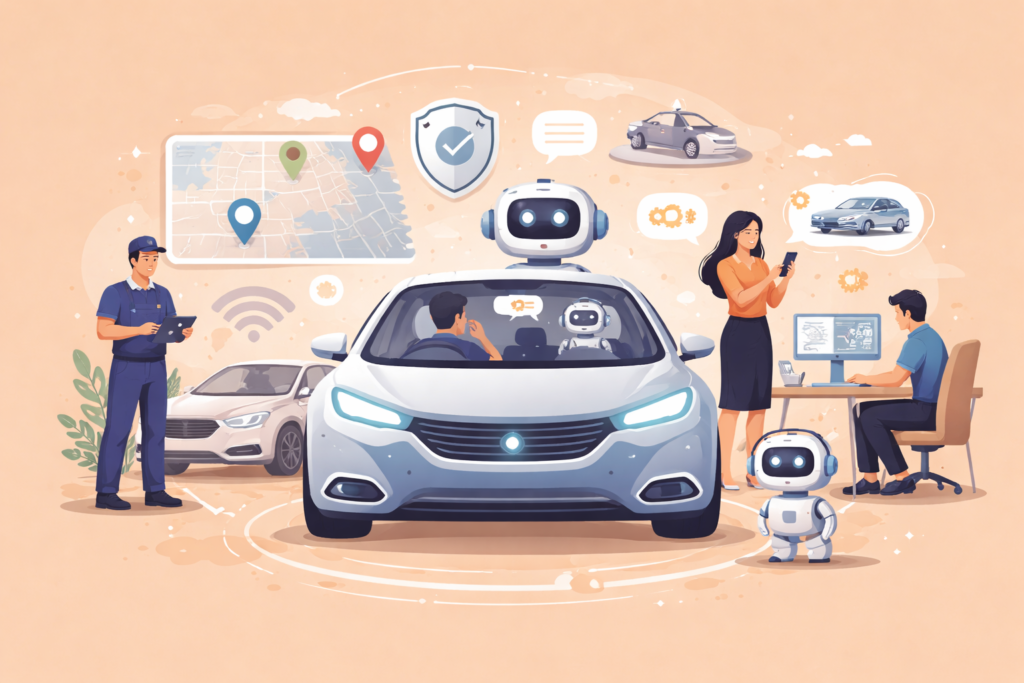
The future of automotive chatbots is driven by rapid advancements in artificial intelligence and emerging technologies. One of the most exciting trends is the integration of voice assistants, allowing users to interact with chatbots through natural speech. This enhances accessibility and creates a more intuitive user experience.
Another emerging trend is the use of predictive analytics. By analyzing historical data and user behavior, chatbots can anticipate customer needs and provide proactive recommendations. For example, a chatbot might suggest scheduling a service appointment based on vehicle usage patterns.
Additionally, the integration of augmented reality (AR) and virtual showrooms is transforming how customers explore vehicles online. Chatbots can guide users through these immersive experiences, providing information and assistance in real time. These innovations are set to redefine customer engagement in the automotive industry.
Common Mistakes to Avoid When Implementing Automotive Chatbots
Despite their benefits, automotive chatbots can fail to deliver results if not implemented correctly. One common mistake is over-automation, where businesses rely too heavily on chatbots without providing an option for human interaction. This can lead to frustration, especially for complex queries that require personalized assistance.
Another frequent issue is poor conversation design. Chatbots with rigid or confusing flows can deter users and reduce engagement. It’s essential to design conversations that are intuitive, flexible, and user-friendly. Testing and continuous optimization are key to ensuring a smooth user experience.
Additionally, many businesses neglect data integration, limiting the chatbot’s ability to provide accurate and personalized responses. Without access to CRM and inventory systems, chatbots cannot deliver their full potential. Avoiding these mistakes is crucial for maximizing the effectiveness of automotive chatbot solutions.
Best Practices for Deploying Automotive Chatbots Successfully
Successful deployment of automotive chatbots requires a strategic approach. One of the most important best practices is to define clear objectives. Whether the goal is lead generation, customer support, or sales enhancement, having a clear focus ensures that the chatbot is designed to meet specific business needs.
Another key practice is continuous optimization. Chatbots should be regularly updated based on user feedback and performance data. This includes refining conversation flows, improving response accuracy, and adding new features as needed. A chatbot is not a one-time implementation but an evolving tool that requires ongoing attention.
Finally, businesses should prioritize user experience and transparency. This includes providing clear information about the chatbot’s capabilities and limitations, as well as offering easy access to human support when needed. By following these best practices, automotive businesses can fully leverage the potential of chatbot technology and achieve sustainable growth.
FAQs
1. What is an automotive chatbot?
An automotive chatbot is an AI-powered virtual assistant designed to interact with customers, answer queries, and automate processes within the automotive industry.
2. How do automotive chatbots generate leads?
They engage users in real time, collect contact information, and qualify leads based on user behavior and intent.
3. Are automotive chatbots expensive to implement?
Costs vary depending on features and complexity, but they often reduce long-term operational expenses.
4. Can chatbots replace human agents?
No, they complement human agents by handling repetitive tasks while humans manage complex interactions.
5. How secure are automotive chatbots?
When properly implemented, they follow strict security protocols and comply with data protection regulations.
6. Do chatbots work on mobile devices?
Yes, they are optimized for mobile platforms and can operate across multiple devices and channels.
7. Can chatbots integrate with existing systems?
Yes, they can integrate with CRM, inventory, and other business tools for seamless operations.
8. How do I measure chatbot success?
By tracking KPIs such as engagement rate, conversion rate, and customer satisfaction.
Conclusion
Automotive chatbots are revolutionizing how businesses interact with customers, offering unparalleled efficiency, personalization, and scalability. From lead generation to after-sales support, these AI-powered tools provide a comprehensive solution for modern automotive challenges.
For businesses aiming to stay ahead in a competitive market, adopting advanced chatbot solutions is no longer optional—it’s essential. Platforms like Engagerbot empower automotive companies to deliver exceptional customer experiences while optimizing operations and driving growth.
Want to Implement This Easily?
Prompt Text:
You are an expert consultant. Based on the blog post titled “(Automotive Chatbot)”, provide a step-by-step, practical implementation guide. Include tools, best practices, common mistakes to avoid, and advanced tips. Assume the reader wants to implement everything discussed in this article effectively.
Call to Action:
Want our help implementing this? Just reach out to us via our website contact form: https://www.engagerbot.com/contact-us/