
The world of education and coaching has shifted dramatically with the emergence of artificial intelligence. No longer confined to traditional classrooms or limited coaching sessions, learners and professionals can now benefit from 24/7 access to guidance, personalized feedback, and interactive conversations with digital mentors. Education and coaching chatbots have quickly become one of the most powerful tools to support teachers, students, and coaches in delivering tailored learning experiences. These intelligent AI-driven assistants not only improve engagement but also bring inclusivity, efficiency, and personalization into the learning process. In this in-depth guide, we will explore how education and coaching chatbots are transforming learning and mentorship, their benefits, use cases, challenges, and the future they promise for individuals and organizations.
Introduction
Education has always been the backbone of human progress, but how we learn and how knowledge is delivered has evolved dramatically in the digital age. Traditional teaching methods and one-on-one coaching are no longer enough to meet the demands of today’s fast-paced, information-driven world. Learners expect instant answers, professionals seek structured coaching support, and trainers need efficient tools to scale their impact. This is where education and coaching chatbots have emerged as revolutionary solutions.
Education chatbots use artificial intelligence (AI) and natural language processing (NLP) to simulate conversations with students, offering assistance with assignments, explanations of complex concepts, exam preparation tips, and even emotional support. Coaching chatbots act as digital mentors, guiding professionals and individuals through career goals, personal growth plans, and wellness routines. Together, they create a new ecosystem where knowledge is not just taught but experienced interactively.
At Engagerbot, we understand that the integration of education and coaching chatbots represents the future of learning and mentorship. These chatbots are not meant to replace teachers or coaches but to complement them—handling repetitive tasks, offering personalized insights, and ensuring learners always have access to support. With AI-driven interactions, the process of learning and coaching becomes more engaging, efficient, and adaptable to individual needs.
The Rise of AI in Education and Coaching
Artificial intelligence has been transforming industries worldwide, but its impact on education and coaching is particularly remarkable. Traditionally, learning was limited to classrooms, textbooks, and occasional coaching sessions. However, the rise of digital platforms and AI-driven tools has opened new opportunities for making education more interactive and personalized.
AI-powered chatbots are one of the most visible examples of this revolution. They have shifted learning from rigid schedules to flexible, on-demand access. A student struggling with a math problem at midnight can now turn to an AI chatbot for instant explanations. Similarly, a young professional preparing for a job interview can consult a coaching chatbot for practice questions and feedback. This level of accessibility was unthinkable just a decade ago.
Furthermore, AI in education and coaching is not limited to answering questions. Chatbots can track progress, identify weak areas, recommend resources, and even adjust the learning journey in real-time. They provide adaptive learning, ensuring that every learner gets a customized experience. This personalization is critical because no two students learn at the same pace, and no two professionals face identical challenges.
The adoption of AI chatbots is also fueled by the growing demand for lifelong learning. In today’s economy, individuals cannot rely on a single degree or skill set; continuous learning and upskilling are essential. Chatbots bridge this gap by offering micro-learning modules, reminders, and progress tracking, which make lifelong learning practical and engaging.
What Are Education & Coaching Chatbots?
Education and coaching chatbots are AI-powered conversational tools designed to provide interactive learning and guidance experiences. They use natural language processing (NLP) and machine learning (ML) to understand user queries and respond in a human-like manner.
An education chatbot typically supports students by answering academic questions, providing explanations, delivering quizzes, and offering study resources. These chatbots act like virtual teaching assistants who can work around the clock, supporting both learners and teachers.
On the other hand, a coaching chatbot serves as a digital mentor for individuals looking to improve in specific areas such as career development, personal growth, fitness, or emotional well-being. These bots guide users in setting goals, tracking progress, and maintaining motivation through structured feedback and personalized reminders.
The key difference lies in their focus: education chatbots are primarily academic, while coaching chatbots are broader and more holistic, supporting both professional and personal development. However, both types share the same foundation—intelligent interaction powered by AI that adapts to user needs.
Key Benefits of Education Chatbots for Students
Students are among the biggest beneficiaries of AI-powered education chatbots. Traditional classrooms often cannot cater to every learner’s pace, leaving some students behind while others feel unchallenged. Chatbots address this issue by offering personalized, real-time support.
One of the most important benefits is 24/7 availability. Unlike human teachers, chatbots do not need rest, meaning students can ask questions anytime, anywhere. This accessibility is particularly valuable for international learners in different time zones or students studying late at night.
Chatbots also reduce the pressure of asking questions in class. Many students hesitate to raise doubts in front of peers for fear of embarrassment. With chatbots, they can freely ask any question without judgment. This not only boosts confidence but also promotes deeper learning.
Additionally, education chatbots can provide instant feedback. Whether it’s a quiz, a writing exercise, or a math problem, students can get immediate evaluation, enabling them to learn from mistakes quickly. Over time, chatbots also identify patterns in mistakes and offer customized suggestions to strengthen weak areas.
Advantages of Coaching Chatbots for Professionals
Professionals often juggle multiple responsibilities, making it difficult to dedicate time to consistent coaching or mentorship. Coaching chatbots help overcome this challenge by offering flexible, accessible, and personalized coaching experiences.
These chatbots assist professionals in setting goals, whether it’s career advancement, improving leadership skills, or maintaining a healthy work-life balance. By breaking big goals into smaller, actionable steps, chatbots keep users motivated and accountable.
Another major benefit is personalization. Coaching chatbots can analyze user input, progress, and preferences to deliver tailored guidance. For example, an employee preparing for a leadership role may receive different advice compared to someone working on communication skills. This level of customization ensures that coaching is always relevant and impactful.
Coaching chatbots are also valuable for organizations. Companies can integrate these tools into corporate training programs, allowing employees to access continuous coaching without the high costs of one-on-one mentorship. This scalability makes professional development more affordable and inclusive.
How Chatbots Improve Teacher and Trainer Efficiency
Teachers and trainers often spend significant time handling repetitive tasks such as answering FAQs, grading assignments, and providing basic feedback. Education and coaching chatbots can take over these tasks, freeing educators to focus on higher-value activities like mentorship and personalized guidance.
By automating administrative tasks, chatbots save time and reduce burnout among educators. For example, instead of repeatedly answering questions about assignment deadlines or course structure, teachers can let chatbots provide those responses instantly.
Moreover, chatbots can assist in grading and assessments. They can evaluate objective tests and even provide suggestions on essays by analyzing writing patterns. While they cannot fully replace human evaluation, they can significantly speed up the process and reduce the workload.
This efficiency benefits learners as well because teachers and trainers have more time to dedicate to personalized support and interactive sessions. The result is a more productive and engaging learning environment.
Personalization in Learning Through Chatbots
One of the greatest strengths of chatbots lies in their ability to provide personalized learning experiences. Unlike traditional classrooms, where every student receives the same instruction, chatbots adapt content to suit each learner’s pace, style, and preferences.
Through continuous interaction, chatbots gather data about a student’s strengths, weaknesses, and learning habits. They use this information to adjust lessons, recommend resources, and suggest improvement strategies. For instance, if a student struggles with algebra but excels in geometry, the chatbot can focus more on algebra while still offering advanced challenges in geometry.
This personalized approach not only improves academic performance but also enhances engagement. Students are more motivated when learning feels tailored to their needs rather than a one-size-fits-all model.
Similarly, coaching chatbots personalize guidance by considering individual goals, challenges, and progress. For example, someone working on time management may receive daily reminders and productivity tips, while another person working on confidence-building might receive motivational prompts and practice exercises.
Gamification and Engagement with Education Chatbots
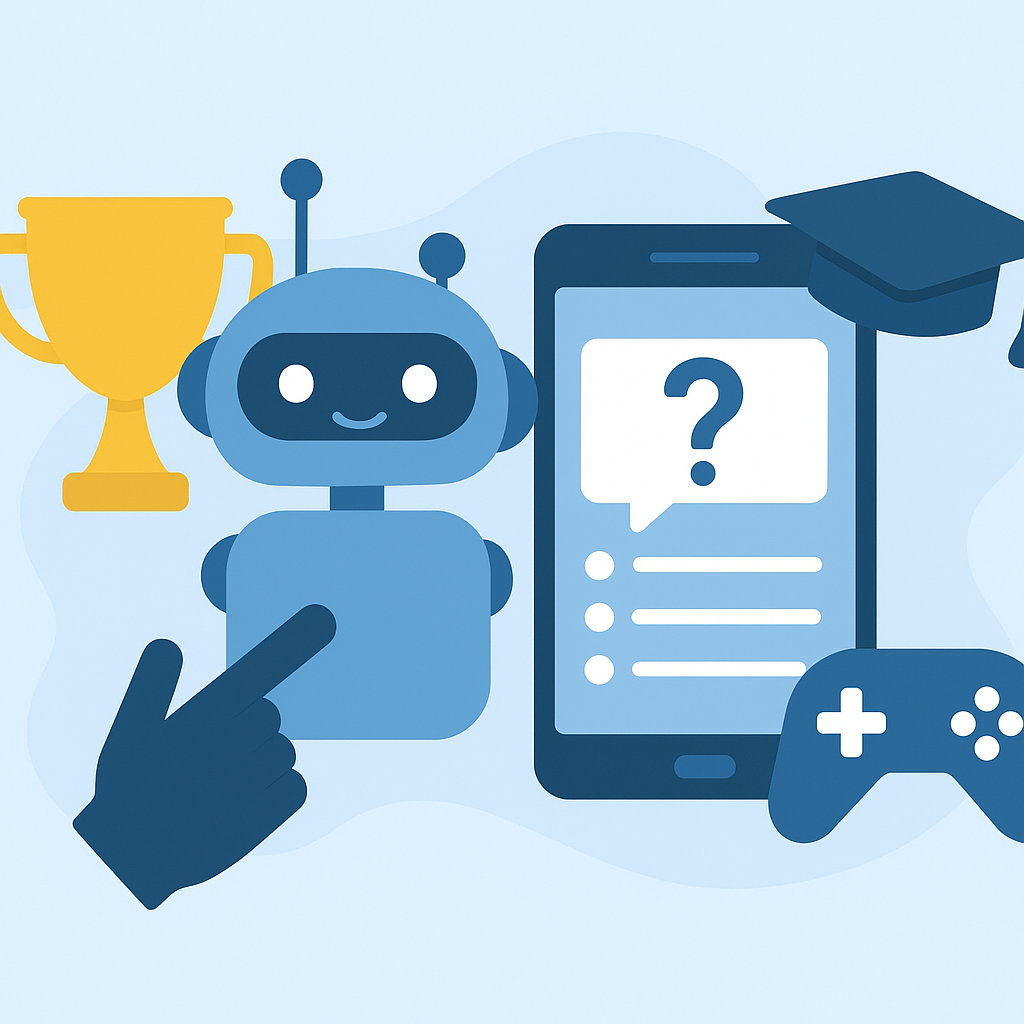
Learning becomes significantly more engaging when it is interactive and fun. Education chatbots use gamification techniques such as quizzes, badges, and reward points to motivate learners. This approach transforms learning from a passive activity into an active and enjoyable experience.
Gamification through chatbots enhances retention by encouraging repeated practice. For example, a chatbot may reward a student with points for completing daily math problems or badges for mastering vocabulary sets. These small rewards encourage consistency, which is crucial for long-term learning.
Coaching chatbots also use gamification to keep users engaged. A professional working on fitness goals might receive progress badges, while someone focusing on communication skills could unlock new levels of interactive exercises. By turning learning and coaching into a game-like experience, chatbots maintain motivation and reduce dropout rates.
Coaching Chatbots for Career Guidance
Career development is one of the most common areas where coaching chatbots shine. They act as virtual career counselors, guiding individuals in identifying strengths, exploring opportunities, and preparing for professional challenges.
These chatbots can analyze user profiles, suggest suitable career paths, and recommend skill development programs. They also assist in practical areas like resume writing, interview preparation, and networking strategies. For young graduates entering the workforce, this support is invaluable.
For mid-career professionals, coaching chatbots provide structured advice for promotions, leadership roles, or career transitions. By offering actionable guidance, they help individuals make informed decisions and avoid costly mistakes.
Organizations also benefit from career coaching chatbots, as they can support employees in building clear growth paths, improving retention, and boosting morale.
The Role of NLP in Conversational Learning
Natural Language Processing (NLP) is the backbone of education and coaching chatbots. It allows these bots to understand human language, interpret context, and provide meaningful responses. Without NLP, interactions would feel mechanical and frustrating.
Through NLP, chatbots can interpret slang, grammar variations, and even emotional tones in messages. For example, if a student types, “I’m stuck on this math problem,” the chatbot understands the frustration and responds with encouragement along with a solution.
NLP also enables chatbots to build contextual memory, meaning they can recall previous interactions. This allows for continuity in learning and coaching sessions, making conversations feel more natural and human-like.
As NLP continues to advance, chatbots will become even better at handling complex queries, offering nuanced explanations, and simulating real conversations with teachers and coaches.
Chatbots for Corporate Training & Employee Coaching
Corporate training is a multi-billion-dollar industry, and companies constantly seek efficient ways to upskill employees. Coaching and education chatbots are becoming indispensable in this space.
Chatbots can deliver micro-learning modules, allowing employees to learn in small, manageable chunks without disrupting their workday. They also provide compliance training, ensuring employees understand company policies and regulations.
For leadership and soft skills development, coaching chatbots guide employees in areas like communication, teamwork, and conflict resolution. They provide real-time feedback and encourage continuous self-improvement.
Organizations save costs by using chatbots because they can scale training programs without needing multiple trainers. This scalability ensures that every employee has access to consistent, high-quality learning experiences.
Emotional Intelligence and AI Chatbots in Coaching
One of the most intriguing advancements in coaching chatbots is their ability to exhibit emotional intelligence. By analyzing tone, language, and user patterns, chatbots can detect stress, frustration, or lack of motivation and respond empathetically.
For example, if a user types, “I feel like giving up,” the chatbot might offer encouragement, suggest relaxation techniques, or direct the user to human support. This empathetic interaction enhances the user experience and makes the chatbot feel more like a supportive coach rather than a machine.
In professional coaching, emotionally intelligent chatbots help individuals manage stress, avoid burnout, and maintain a positive mindset. They become not only tools for career guidance but also companions for emotional well-being.
This integration of emotional intelligence in AI represents a major step toward holistic digital coaching that addresses both the intellectual and emotional needs of users.
Accessibility: Inclusive Education with Chatbots
Accessibility is one of the most powerful features of education and coaching chatbots. They break down barriers that prevent many learners from accessing quality education.
For students with disabilities, chatbots can provide tailored support such as text-to-speech features, simplified explanations, and visual aids. For language learners, chatbots can deliver translation assistance and conversational practice.
In remote and underdeveloped regions where access to qualified teachers is limited, chatbots serve as reliable learning companions. They ensure that every student, regardless of location or background, has access to educational support.
Similarly, coaching chatbots make personal and professional guidance more accessible to individuals who cannot afford expensive coaching programs. By democratizing education and coaching, chatbots contribute to a more inclusive and equitable learning environment.
Data-Driven Insights for Teachers & Coaches
Chatbots are not just tools for learners—they also provide valuable insights for teachers and coaches. Every interaction with a chatbot generates data, which can be analyzed to track performance, identify learning gaps, and optimize teaching methods.
For example, if many students struggle with a specific topic, teachers can revisit it in class. Coaches can use chatbot data to assess whether their clients are meeting goals or need additional support.
This data-driven feedback loop allows educators and coaches to make informed decisions, improve their programs, and deliver more impactful guidance.
Over time, this data also contributes to broader educational research, helping institutions and organizations develop more effective learning strategies.
Challenges in Implementing Education & Coaching Chatbots
While the benefits are significant, implementing chatbots in education and coaching comes with challenges. One major concern is data privacy. Chatbots collect personal information and learning data, which must be protected against misuse.
Another challenge is ensuring that chatbots do not replace human interaction entirely. While they provide convenience, human teachers and coaches offer empathy, critical thinking, and real-life experience that AI cannot fully replicate.
Technical limitations are also an issue. Despite advances in NLP, chatbots may still struggle with complex or ambiguous queries. Poorly designed bots can frustrate users and harm engagement.
To address these challenges, institutions and organizations must implement strong data protection policies, combine chatbots with human support, and continually update chatbot systems for better accuracy and reliability.
Future of Education Chatbots in Hybrid Learning Models
The future of education is expected to be hybrid, combining traditional teaching methods with digital tools. Chatbots will play a central role in this model by providing continuous support outside the classroom.
For example, after a lecture, students can use chatbots to review material, clarify doubts, and practice exercises. This ensures learning does not stop when the class ends.
Coaching chatbots will complement in-person sessions by keeping clients engaged between meetings. They can track progress, remind users of goals, and provide motivation, ensuring continuity in the coaching journey.
As hybrid models gain popularity, chatbots will serve as essential bridges between human interaction and digital convenience.
The Role of Coaching Chatbots in Mental Health Support
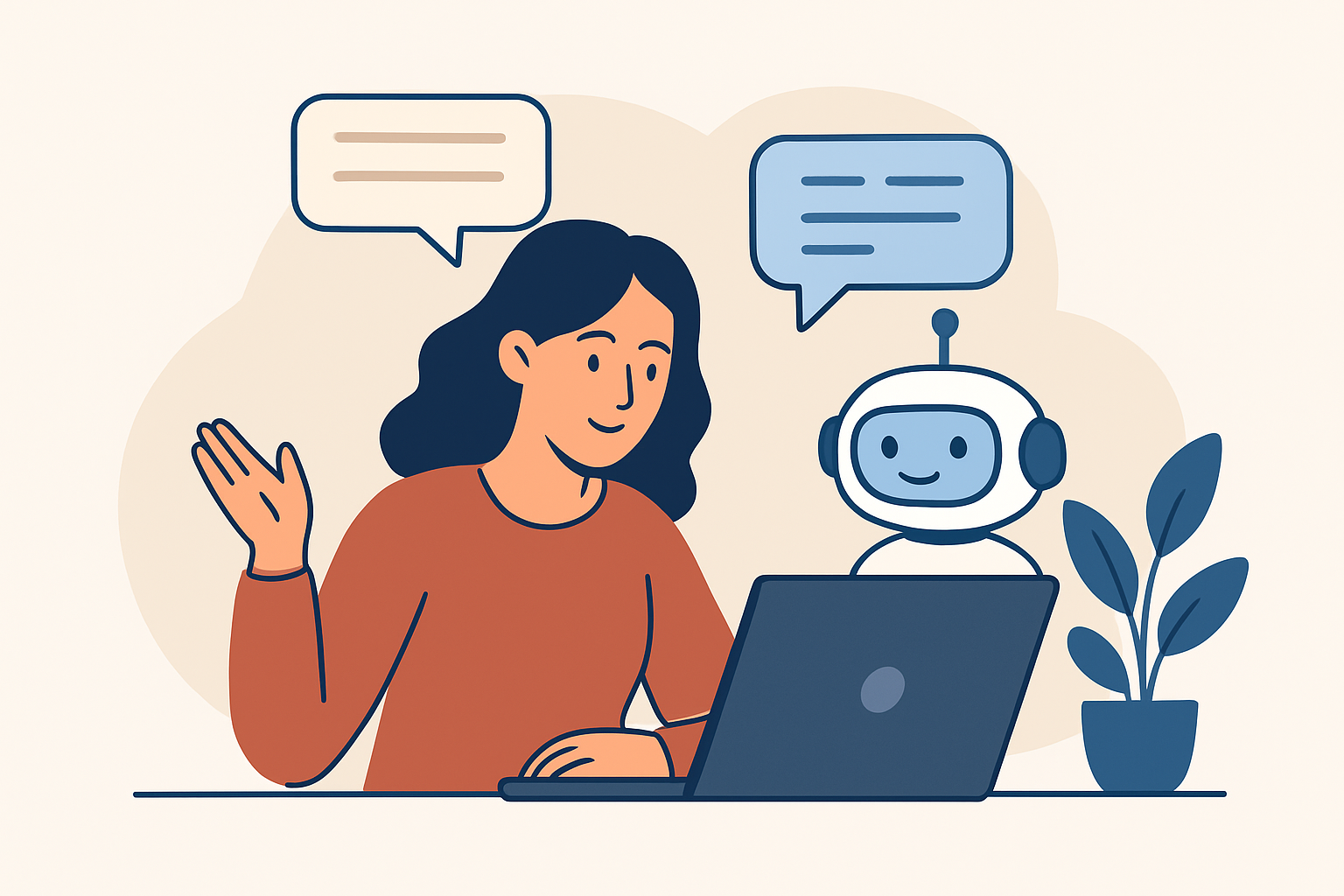
Mental health has become a critical focus in education and workplaces. Coaching chatbots are increasingly being used to provide basic mental health support.
These bots cannot replace professional therapy, but they can help users manage stress, practice mindfulness, and develop healthy habits. By offering daily check-ins, meditation reminders, and motivational prompts, chatbots contribute to emotional well-being.
For students facing academic pressure, chatbots provide encouragement and coping strategies. For professionals dealing with burnout, they offer stress management tips and work-life balance advice.
The availability of mental health support through chatbots reduces stigma, as users can seek help privately without fear of judgment. Over time, these tools may integrate more advanced psychological insights to offer even stronger support.
AI-Powered Chatbots and Lifelong Learning
Lifelong learning is no longer optional in today’s rapidly changing world. Professionals must continuously upgrade skills, and individuals must adapt to new knowledge. Chatbots are ideal companions in this journey.
By offering bite-sized lessons, regular reminders, and adaptive guidance, chatbots encourage consistent learning habits. They also make it easier to fit learning into busy schedules, allowing users to learn anytime, anywhere.
Whether it’s mastering a new language, staying updated on industry trends, or working on personal development, chatbots provide ongoing support throughout an individual’s life.
This shift toward lifelong learning supported by AI ensures that education and coaching are no longer confined to formal institutions but become continuous processes embedded in daily life.
Choosing the Right Chatbot for Education & Coaching Success
With the growing popularity of chatbots, selecting the right one is crucial for success. Institutions, coaches, and individuals must consider factors such as customization, scalability, and AI capabilities.
A good education chatbot should integrate seamlessly with learning management systems, support multiple languages, and provide adaptive learning paths. Coaching chatbots should offer personalization, progress tracking, and motivational tools.
Scalability is another key factor. The chosen chatbot should be able to support growing numbers of users without compromising performance.
Finally, user experience is essential. A chatbot must be intuitive, responsive, and engaging to ensure learners and professionals continue using it. By carefully evaluating these factors, organizations and individuals can maximize the benefits of education and coaching chatbots.
Conclusion
Education and coaching are entering a new era powered by artificial intelligence. Chatbots are no longer experimental tools; they are essential companions in classrooms, workplaces, and personal growth journeys. They provide personalized learning, continuous coaching, and accessible support for everyone, regardless of time, location, or background.
By automating repetitive tasks, delivering tailored guidance, and offering emotional support, education and coaching chatbots enhance the roles of teachers and coaches rather than replacing them. They empower learners to take charge of their growth and enable educators to make a greater impact.
At Engagerbot, we believe that embracing these intelligent digital assistants is key to the future of learning and mentorship. By bridging the gap between human expertise and AI-driven personalization, chatbots have the potential to transform how we learn, teach, and grow, creating a world where knowledge and coaching are always within reach.