
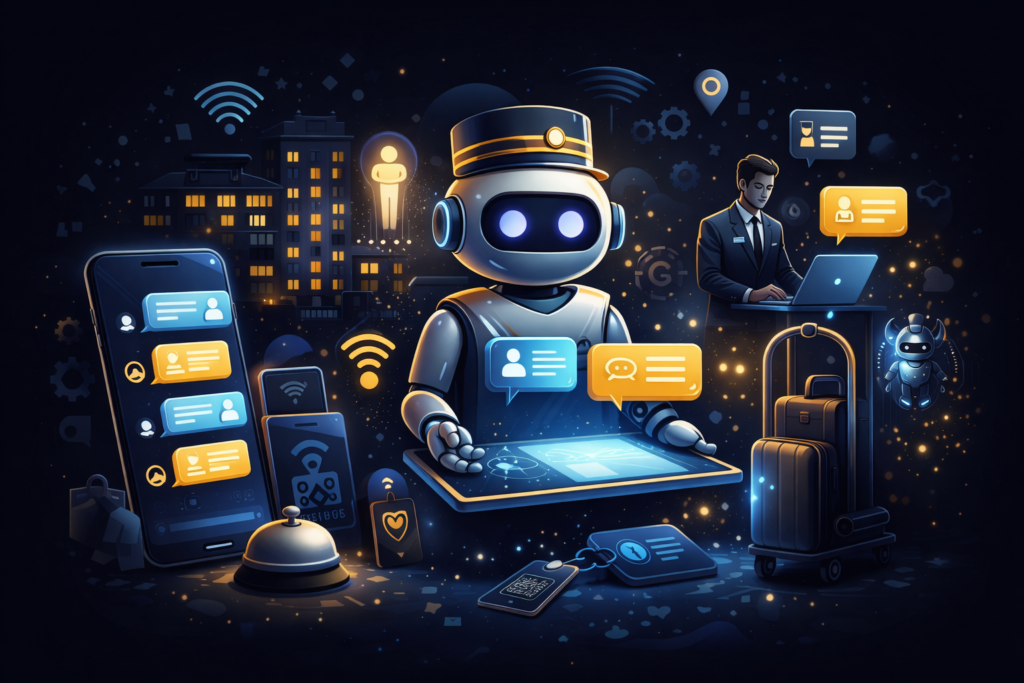
In today’s digital age, guest expectations in the hospitality industry are rapidly evolving. Travelers don’t simply seek a place to stay — they want instant, personalized, and seamless service at every step of their journey. From booking a room on a hotel website to requesting a late checkout via messaging apps, customers now expect support on their terms and on their schedule. For brands, this means adopting technology that can interact intelligently with guests whenever and wherever they need assistance. A hospitality chatbot is one of the most powerful tools hotels and travel services can deploy to deliver these seamless experiences. Harnessing the power of artificial intelligence (AI) and natural language processing (NLP), these bots automate routine tasks, enhance customer satisfaction, and empower staff to focus on high‑value engagements.
With more travelers preferring digital interaction — especially mobile and messaging experiences — the hospitality landscape is shifting toward conversational platforms. According to insights from the Statista Digital Economy Compass, global hotel bookings via digital interfaces continue to grow year over year, which makes automated guest engagement a strategic priority. A hospitality chatbot not only supports guest needs in real time, but also drives critical business outcomes like higher direct bookings, reduced operational costs, and stronger brand loyalty. In this post, we’ll explore every dimension of hospitality chatbots — from how they work and why they matter to best practices, common mistakes, and future trends shaping conversational AI in hospitality.
Introduction
In an industry where guest experience defines reputation, the introduction of hospitality chatbots marks a significant evolution in customer engagement. At the heart of this transformation is the ability to provide instantaneous, personalized responses to guests while reducing the workload on human staff. At EngagerBot, we understand that hospitality is no longer limited to face‑to‑face interaction at the front desk — today’s guests want service that adapts to their schedules, speaks their language, and anticipates their needs before they ask.
A hospitality chatbot is an AI‑powered digital assistant that communicates with users through natural language — whether via a hotel’s website, mobile app, or messaging platforms such as WhatsApp and Facebook Messenger. These chatbots use advanced Natural Language Understanding (NLU) and machine learning to interpret and respond to inquiries just like a human agent would, but at a significantly faster rate and with round‑the‑clock availability.
According to research outlined by Guestara, AI virtual assistants can manage up to 70% of routine guest inquiries without human intervention, freeing hotel staff to focus on complex issues that require human empathy and judgment. Additionally, Hotel Tech Report shows that guests increasingly prefer digital self‑service options as part of their stay experience. These digital preferences have made chatbots an investment that goes beyond novelty — they are becoming central to modern hospitality operations.
In this comprehensive guide, we explore how hospitality chatbots work, the core benefits they offer, best practices for implementation, and key strategies to help your property thrive in a competitive digital landscape.
What Is a Hospitality Chatbot?
A hospitality chatbot is an AI‑driven conversational agent specifically adapted to the needs of hotels, resorts, and travel services. Unlike generic chatbots, hospitality chatbots are trained to handle industry‑specific tasks such as checking room availability, managing reservations, answering guest FAQs, and even offering local recommendations — all in real time.
These bots leverage Natural Language Processing (NLP) and machine learning algorithms to understand and respond to user requests in a conversational way. When a guest sends a message — such as “What time is checkout?” — the chatbot interprets the query, retrieves the correct information from connected systems, and delivers an accurate response within seconds.
One of the key components of a hospitality chatbot is its integration with a hotel’s existing ecosystem. By connecting with backend systems like a property management system (PMS) or booking engine, the bot can access live data such as room availability, pricing, and guest profiles. This level of integration allows the chatbot to perform tasks that go far beyond simple FAQs — for example, guiding a user through the booking process or offering personalized upgrade suggestions.
According to industry insights from Zendesk, AI chatbots equipped with contextual understanding can improve operational efficiency and significantly enhance user experience when deployed correctly. These bots not only answer questions but learn from interactions over time, refining their responses and helping hotels deliver more meaningful engagements.
By automating routine interactions, hospitality chatbots not only support guests seamlessly but also empower hotel staff to focus on high‑value service delivery.
Why Hospitality Chatbots Matter Today
The rise of hospitality chatbots isn’t just a trend — it’s a response to shifting consumer expectations and technological advancements. Today’s travelers expect immediate answers to their questions, whether they are browsing room options at midnight or asking about local attractions at dawn. Hospitality chatbots address this need for instant engagement and support in ways that traditional customer service channels cannot.
First and foremost, chatbots provide real‑time responses. According to insights shared by Marketingscoop, travelers are more likely to abandon a site or booking process if they don’t receive quick answers — which directly impacts conversion rates and revenue. A hospitality chatbot eliminates response delays, offering relevant information in seconds, which increases both satisfaction and bookings.
Another crucial aspect is 24/7 availability. Guests don’t operate on business hours, and neither should support. Whether a traveler is in a different time zone or simply browsing after dinner, a chatbot can provide accurate, friendly assistance at any hour. This constant availability enhances guest trust and reduces friction in critical touchpoints like reservations or itinerary changes.
Moreover, chatbots help with scalability. During peak travel seasons or promotional campaigns, the volume of guest inquiries can surge dramatically. Human teams can be overwhelmed during these times, leading to slow response times or missed communications. Hospitality chatbots can handle unlimited concurrent conversations, ensuring every guest receives the attention they deserve without added staffing costs.
From a business perspective, this means reduced operational expenses and increased revenue potential, as supported by research from Guestara, where hotels implementing AI conversational agents reported higher booking rates and improved overall guest feedback.
In a highly competitive industry, hospitality chatbots are no longer optional — they are essential tools for meaningful guest engagement and business growth.
Core Features of Effective Hospitality Chatbots
An effective hospitality chatbot must deliver more than basic automated responses — it should be a dynamic tool that enhances service delivery and guest experiences. Below are core features that distinguish high‑performing bots from basic scripted systems:
1. Natural Language Understanding (NLU)
The best chatbots can interpret conversational language, including slang, typos, and context. This allows guests to interact naturally without rigid command structures. According to IBM Watson AI insights, advanced NLP systems are essential for reducing misunderstanding and improving conversational flow.
2. Seamless Booking Assistance
Rather than redirecting users to another page, a hospitality chatbot should provide step‑by‑step booking support — from checking room availability to confirming reservations. Research from Hotel Tech Report indicates that streamlined booking assistance directly increases direct reservations.
3. In‑Stay Engagement
During a guest’s stay, chatbots can process service requests (e.g., room service, housekeeping), recommend hotel amenities, and even deliver local tips based on guest preferences.
4. Multichannel Support
Guests interact with brands across many platforms — websites, mobile apps, and popular messaging services like WhatsApp and Facebook Messenger. A versatile chatbot must operate seamlessly across these channels, enabling guests to engage however they prefer.
5. Personalization Engine
By integrating with CRM systems, chatbots learn from past guest behaviors and preferences, enabling tailored recommendations — such as room upgrades or dining offers. According to Salesforce AI research, personalization boosts engagement and increases upsell opportunities.
When designed with these features, hospitality chatbots become powerful tools that boost guest satisfaction and operational efficiency alike.
How Hospitality Chatbots Work — Behind the Scenes
Hospitality chatbots blend multiple technologies to function effectively:
Natural Language Processing (NLP) & Understanding (NLU)
These AI components interpret guest input and determine intent. For example, when a guest asks, “Can I check out late?” the bot identifies keywords and context to provide relevant hotel policy details.
Machine Learning (ML)
Over time, the chatbot improves by learning from past interactions. This means responses become more accurate, and the bot can handle a wider range of inquiries without human intervention.
Backend Integrations
Chatbots connect via APIs to a hotel’s booking engine, PMS, CRM, and other systems. This real‑time linkage allows the bot to access current availability, loyalty data, guest history, and pricing information — making its responses reliable and personalized.
Multi‑Channel Deployment
Guests may interact through various platforms such as web chat, mobile apps, SMS, or social messenger apps. A unified AI backend ensures consistency regardless of where the conversation takes place.
When a user submits a request, the chatbot goes through several steps:
- Input Processing: Interprets the user message using NLP.
- Intent Matching: Determines what the user wants (e.g., booking, service request).
- Data Retrieval: Pulls real‑time information from connected systems.
- Response Generation: Constructs a human‑like reply.
- Learning Loop: Stores interaction data to improve future responses.
According to insights from Zendesk’s AI chatbot research, integrating these technologies leads to smarter systems that not only answer basic questions but anticipate needs and elevate the overall guest experience.
Key Benefits for Hotels and Guests
Hospitality chatbots deliver significant advantages for both hotels and guests. Below are the most impactful benefits:
1. Reduced Operational Costs
AI Chatbots can handle thousands of routine queries without human involvement. According to Guestara, this automation can cut customer service workloads by up to 70%, allowing hoteliers to allocate staff to more complex tasks that require human empathy and judgment.
2. Enhanced Guest Satisfaction
With instant, real‑time responses, guests no longer wait for email replies or front desk answers. Fast assistance boosts guest satisfaction and reduces frustration, leading to better online reviews and repeat visits.
3. 24/7 Availability
Travelers don’t operate on local time zones or business hours. A chatbot’s round‑the‑clock availability ensures that every guest gets accurate information whenever needed, improving overall brand reliability.
4. Increased Direct Bookings
Bots integrated with booking engines can guide guests through reservations without redirecting them to third‑party platforms. This minimizes dependence on OTAs and protects revenue margins.
5. Language Support
Global guests appreciate support in their native language. Advanced chatbots can offer multilingual responses, breaking communication barriers and enhancing international appeal.
6. Data‑Driven Personalization
By collecting interaction data, chatbots enable hotels to offer personalized upsells, from room upgrades to spa services, based on guest behavior and preferences.
Together, these benefits enhance operational efficiency, strengthen guest relationships, and optimize revenue performance in ways that traditional systems cannot match.
Real‑World Use Cases and Success Stories
Hospitality chatbots are no longer theoretical — they are driving measurable results for properties of all sizes.
Hilton’s AI Concierge
Hiltonbot is one of the most cited examples of successful chatbot deployment. With millions of conversations processed and multilingual support for global guests, the system has significantly improved response times and reduced pressure on front desk staff.
Boutique Hotels Embracing Automation
Smaller boutique properties have reported impressive results after implementing chatbots, including marked increases in booking conversions and reduced email handling times. According to Marketingscoop, many independent hotels have seen 60%+ automation of routine inquiries.
Upselling Amenities
Some properties use chatbots to push targeted offers — like spa packages or late checkouts — which guests can accept directly through chat. This strategy has boosted ancillary revenue and improved guest engagement.
These real‑world examples prove that hospitality chatbots are practical, scalable, and beneficial — no longer reserved for large chain hotels alone.
Best Practices for Hospitality Chatbot Deployment
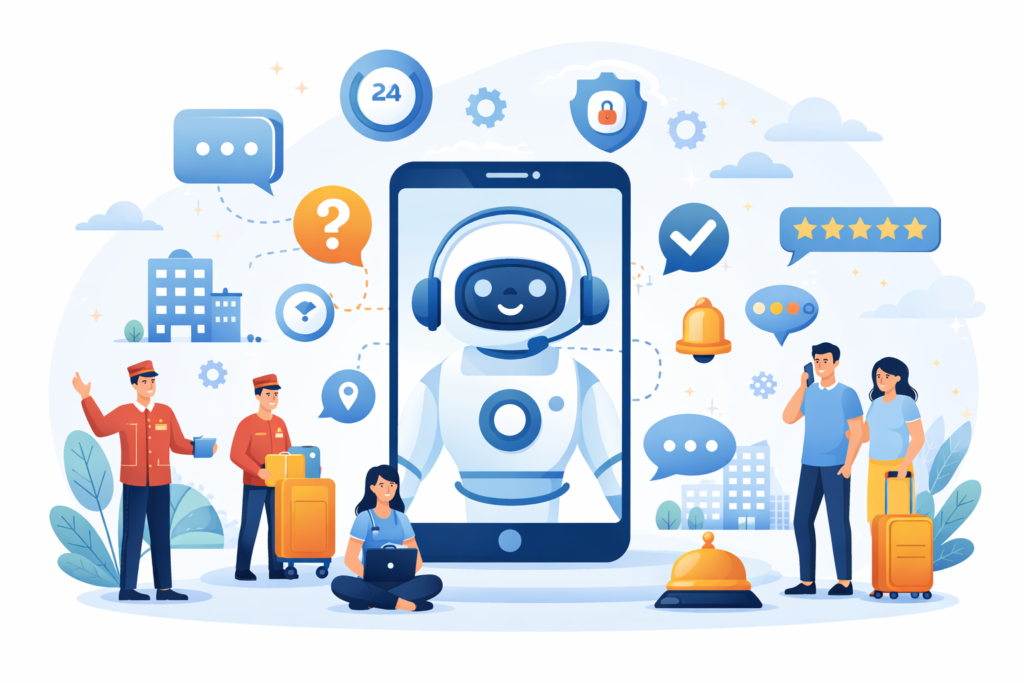
For chatbots to deliver true value, deployment must follow industry‑aligned best practices:
Ensure Accurate, Current Information
A hospitality chatbot must provide responses that reflect real policies, pricing, availability, and property features. Outdated or incorrect information damages guest trust.
Offer Easy Escalation to Human Support
If the bot cannot answer a query, guests should be transferred quickly to a human agent. This human fallback improves satisfaction and prevents frustration.
Train Continuously
Use analytics and conversation logs to refine the bot’s understanding and response accuracy. Over time, AI‑driven systems improve significantly with ongoing training.
Integrate with Hotel Systems
Connecting the chatbot with key back‑end systems ensures real‑time data, enabling features like booking assistance and personalized guest insights.
Optimize for Guest Convenience
Support multiple languages, support platforms (web, mobile, messaging apps), and ensure accessibility features — all to deliver seamless user interaction.
Standards from trusted sources like Zendesk AI guidance emphasize user‑centric design and continuous optimization as critical to successful chatbot engagement.
Integrating Chatbots with Hotel Systems
Successful deployment of a hospitality chatbot relies heavily on seamless integration with existing hotel infrastructure. Integration ensures that the chatbot isn’t just a standalone tool but a central part of the hotel’s operations, enhancing guest experience while streamlining workflows.
Key integrations include:
- Property Management Systems (PMS): Connects the chatbot to real-time room availability, check-in/check-out times, and guest profiles. Zendesk
- Booking Engines: Enables the chatbot to manage reservations directly, guiding guests through dates, rates, and room selection without redirecting to third-party platforms.
- CRM Platforms: Provides insights into guest preferences, loyalty points, and past interactions, allowing the chatbot to personalize recommendations and offers. Salesforce
- Payment Gateways: Ensures secure transactions when guests pay for upgrades or additional services through the chatbot.
By linking the chatbot to these systems via APIs, hotels can provide accurate, personalized, and instant responses that directly reflect current availability and offers. According to Hotel Tech Report, integrated chatbots reduce the workload of staff and improve guest satisfaction by up to 40%, demonstrating tangible ROI for properties.
Enhancing Personalization with AI
Personalization is the key to a memorable guest experience. Hospitality chatbots leverage AI and data analytics to deliver tailored suggestions based on past behavior, preferences, and real-time context.
Some personalization capabilities include:
- Room Upgrades: The bot can recommend better rooms or suites based on guest loyalty status or prior stays. Marketingscoop
- Dining Recommendations: Offers personalized restaurant suggestions or in-hotel dining packages.
- Local Attractions: Suggests tours, shows, and events based on guest interests or demographics.
- Targeted Promotions: Presents special offers such as spa treatments or late check-outs aligned with guest behavior.
Research shows that personalization drives higher engagement and increased revenue. Hotels that implement AI-based chatbots can improve upsell opportunities by 25–30%, while also increasing guest loyalty and repeat bookings. Guestara
By anticipating guest needs, hospitality chatbots create a more human-like interaction, enhancing satisfaction without increasing staff workload.
Future Trends in Hospitality Chatbots
The future of hospitality chatbots is dynamic, with technology advancing rapidly. Key trends include:
- Voice AI Integration: Guests can interact using voice commands in rooms or via smart devices. IBM Watson
- Predictive Analytics: Chatbots anticipate guest needs before they ask, such as suggesting activities based on historical patterns.
- Enhanced Multilingual Capabilities: AI will continue to improve conversational accuracy across multiple languages.
- Emotion Recognition: Advanced chatbots may detect guest sentiment in real time, adjusting tone and recommendations to improve satisfaction.
- Omnichannel Consistency: Chatbots will operate across all digital touchpoints—mobile apps, websites, social media, and messaging apps—offering unified experiences.
Staying ahead of these trends will be crucial for hotels aiming to maintain competitive advantage and deliver cutting-edge guest experiences.
Security and Privacy Considerations
Security and privacy are critical when deploying hospitality chatbots, as these bots handle sensitive guest information such as payment details, personal preferences, and identification data.
Key security measures include:
- End-to-End Encryption: Ensures that messages and transactions are secure from third-party interception.
- Compliance with Data Privacy Laws: Adherence to GDPR, CCPA, or local regulations protects both guests and hotels. Marketingscoop
- Regular Security Audits: Continuous monitoring of the chatbot’s integrations and systems prevents potential vulnerabilities.
- Clear Privacy Policies: Guests should understand what data is collected, stored, and how it is used.
Strong security builds guest trust and protects the hotel from potential breaches that could damage reputation and result in fines.
Common Mistakes to Avoid with Hospitality Chatbots
Even the best technology can fail if poorly implemented. Common mistakes include:
❌ Over-Automation: Replacing all human interactions can make guests feel disconnected.
❌ Ignoring Analytics: Not monitoring chatbot interactions prevents performance improvements. Zendesk
❌ Poor Onboarding: Guests must understand how to interact with the bot; otherwise, adoption fails.
❌ No Fallback Plan: Guests frustrated by a bot that cannot escalate to human staff may leave negative reviews.
❌ Lack of Multilingual Support: Excluding non-native speakers limits reach and satisfaction.
Avoiding these pitfalls ensures the chatbot enhances service rather than replacing critical human engagement.
SEO Strategies to Promote Your Hospitality Chatbot Content
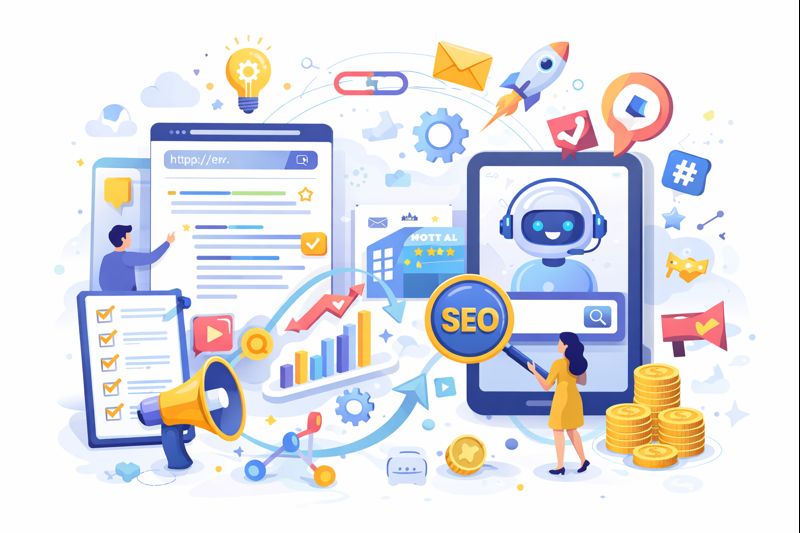
To maximize online visibility and trust, hotels should apply SEO best practices when presenting chatbot content:
- Target Long-Tail Keywords: Phrases like “AI concierge for hotels” or “hospitality chatbot benefits” improve search relevance.
- High-Authority Backlinks: Link to sources like Zendesk, Guestara, and Salesforce to strengthen credibility.
- Schema Markup: Use FAQ and product schema for structured data to improve SERP display.
- User Experience Optimization: Fast-loading pages and mobile-friendly design are essential for both search engines and guest engagement. Google Search Central
Following these practices enhances discoverability and ensures that chatbot content drives traffic and conversions effectively.
Frequently Asked Questions
Q1: What tasks can a hospitality chatbot perform?
A: Chatbots can answer FAQs, handle bookings, offer recommendations, manage check-in/check-out, and collect guest feedback. Marketingscoop
Q2: Are chatbots replacing hotel staff?
A: No, chatbots assist staff by automating routine tasks while humans focus on complex issues.
Q3: Can chatbots operate 24/7?
A: Yes, one of the main benefits is around-the-clock availability.
Q4: How do chatbots increase hotel revenue?
A: By facilitating direct bookings, upselling amenities, and reducing dependency on third-party platforms. Guestara
Q5: Are chatbot interactions secure?
A: With proper encryption and compliance, guest data remains protected.
Q6: Can chatbots support multiple languages?
A: Yes, modern hospitality chatbots can converse in several languages, enhancing international guest reach. Marketingscoop
Q7: How do chatbots improve guest satisfaction?
A: Instant responses, personalized suggestions, and 24/7 support significantly enhance the guest experience.
Q8: What is the difference between a chatbot and a virtual assistant?
A: Chatbots focus on specific tasks and FAQs, whereas virtual assistants handle broader, more complex interactions. Zendesk
Q9: Can chatbots integrate with hotel apps?
A: Yes, they work across mobile apps, websites, and messaging platforms for omnichannel service.
Q10: How do chatbots learn and improve?
A: Through machine learning, chatbots analyze interactions to refine responses and improve accuracy over time.
Conclusion
In conclusion, hospitality chatbots are transforming guest engagement, allowing hotels to provide instant, personalized, and seamless service while optimizing staff resources and driving revenue. At EngagerBot, we understand that implementing the right chatbot strategy can elevate guest satisfaction, increase direct bookings, and build lasting loyalty.
The next generation of chatbots will integrate AI-driven personalization, predictive insights, and omnichannel support, making digital interactions feel more human-like than ever. By avoiding common mistakes, integrating with existing hotel systems, and following SEO and security best practices, hotels can ensure their chatbot is both a strategic and operational success.
In a competitive industry where guest expectations are constantly evolving, hospitality chatbots aren’t just an innovation — they are a critical tool for delivering memorable experiences that begin long before check-in and continue well after check-out.