
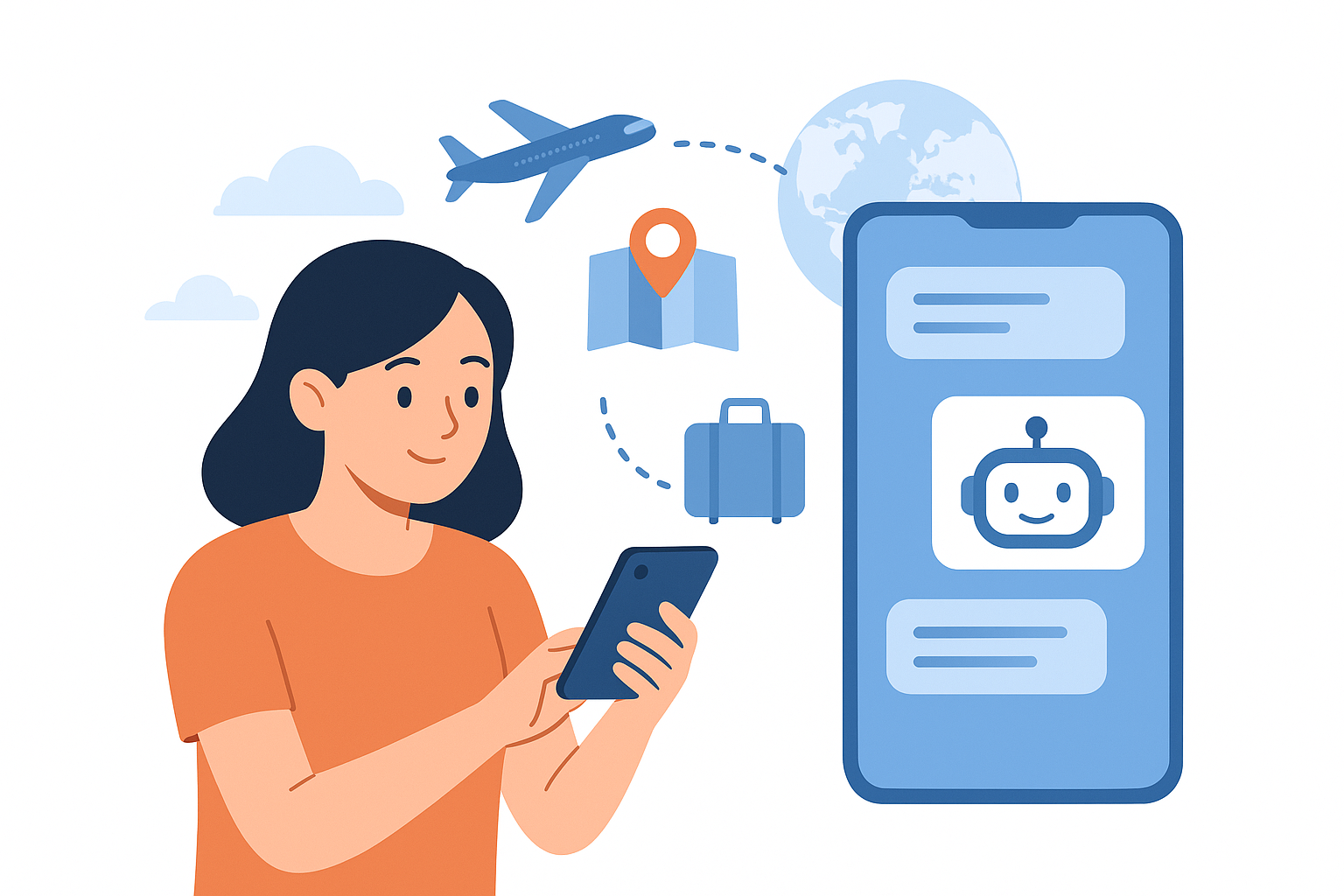
The travel industry has witnessed a massive transformation in recent years, with technology reshaping the way people search, plan, and book their journeys. One of the most revolutionary innovations driving this shift is the Booking & Travel Chatbot. These AI-powered assistants are changing how travelers interact with airlines, hotels, car rental services, and even tour operators by offering instant responses, personalized recommendations, and seamless booking experiences. As modern travelers demand convenience, speed, and personalization, chatbots are bridging the gap between businesses and customers while ensuring effortless travel planning. In this comprehensive guide, we will explore how booking and travel chatbots are redefining the future of the tourism industry.
Introduction to Booking & Travel Chatbots
The rise of artificial intelligence has created opportunities across different sectors, but in the travel industry, the introduction of Booking & Travel Chatbots has been groundbreaking. A chatbot acts as a digital assistant, enabling users to engage in natural conversations and get instant solutions. Instead of browsing multiple websites or waiting on long customer service calls, travelers can now receive flight updates, hotel options, itinerary suggestions, and booking confirmations within seconds. Platforms like Engagerbot are contributing to this transformation by offering smart chatbot solutions that travel businesses can integrate into their websites and apps. With the demand for fast, mobile-friendly, and accurate travel assistance on the rise, booking and travel chatbots are becoming a standard part of modern tourism operations.
The Evolution of Travel Assistance in the Digital Era
Before the introduction of chatbots, travelers often relied on travel agencies, call centers, or manually searching for information across several platforms. This process was not only time-consuming but also overwhelming, especially for international trips that required complex arrangements. The digital revolution brought booking websites and apps that simplified the process but still lacked the personalization factor. Today, travel chatbots are addressing that gap by combining the convenience of technology with the intelligence of personalization. They can recognize user preferences, suggest options based on budgets, and even store previous booking details for quick re-booking. This progression showcases how travel has shifted from paper tickets and phone calls to instant digital assistants that operate around the clock.
Why Travelers Prefer Chatbots Over Traditional Booking Methods
One of the primary reasons chatbots have become so popular in the travel sector is the convenience they provide. Unlike websites that require manual searching and form filling, chatbots allow users to simply ask questions like “What flights are available to Dubai next week?” or “Find me a budget-friendly hotel in London.” This conversational approach saves time and minimizes stress. Chatbots also operate 24/7, ensuring that travelers in different time zones can get assistance whenever they need it. Additionally, the speed of response is unmatched—chatbots deliver answers within seconds compared to human operators who might take minutes or hours. By blending personalization, speed, and availability, chatbots are outperforming traditional methods and setting a new standard for travel experiences.
Personalization and Tailored Travel Recommendations
Modern travelers want more than just information; they expect experiences designed specifically for them. Chatbots excel in providing personalized travel recommendations because they can analyze user data such as travel history, preferred destinations, budget, and even dietary preferences. For example, a chatbot can suggest eco-friendly hotels for environmentally conscious travelers or luxury resorts for someone looking for premium comfort. By utilizing AI algorithms, chatbots can refine recommendations over time, creating smarter interactions with each use. This personalization not only delights customers but also encourages loyalty, as travelers are more likely to return to platforms that understand their preferences and make their journeys smoother.
24/7 Customer Support in the Travel Industry
Travel plans often involve different time zones, unexpected changes, and emergencies. Having access to reliable support at all times is essential. Chatbots provide round-the-clock assistance, ensuring that travelers never feel stranded. Whether a traveler is facing a delayed flight, needs to rebook a hotel at midnight, or wants to confirm a car rental, chatbots can provide instant guidance and solutions. Unlike human support teams that work within limited shifts, chatbots can handle thousands of queries simultaneously without delays. This availability improves customer satisfaction and builds trust, making it a game-changer for businesses aiming to provide global services without limitations.
Booking Flights with Chatbots: A Hassle-Free Experience
Flight booking has traditionally been one of the most stressful aspects of planning a trip. From comparing prices across multiple airlines to selecting the right timings, the process can be time-consuming. Chatbots simplify this task by instantly pulling data from multiple sources and presenting the best available options based on the traveler’s needs. For instance, a chatbot can display a list of flights sorted by price, duration, or convenience, along with suggestions for alternative airports if needed. Moreover, they can handle payment processes securely, allowing users to confirm their bookings without leaving the chat window. This seamless journey reduces effort and ensures peace of mind for travelers.
Simplifying Hotel Bookings with Chatbots
Hotels are often the centerpiece of travel plans, and booking the right one can make or break a trip. Traditionally, travelers had to browse through dozens of websites, compare facilities, and manually check availability. Chatbots have revolutionized this process by offering direct hotel search, comparison, and booking all within a single conversational interface. For example, when a traveler asks, “Find me a 4-star hotel in Paris close to the Eiffel Tower,” the chatbot instantly pulls results that match the request. It can also show ratings, pricing, amenities, and even special offers. Some chatbots even integrate with loyalty programs, allowing guests to redeem points directly through the chat. This streamlined process saves hours of research, eliminates frustration, and ensures that travelers book accommodations that align with their exact preferences. Additionally, chatbots can handle changes like cancellations, upgrades, and special requests, offering a truly all-in-one booking experience.
Car Rentals and Transport Assistance through Chatbots
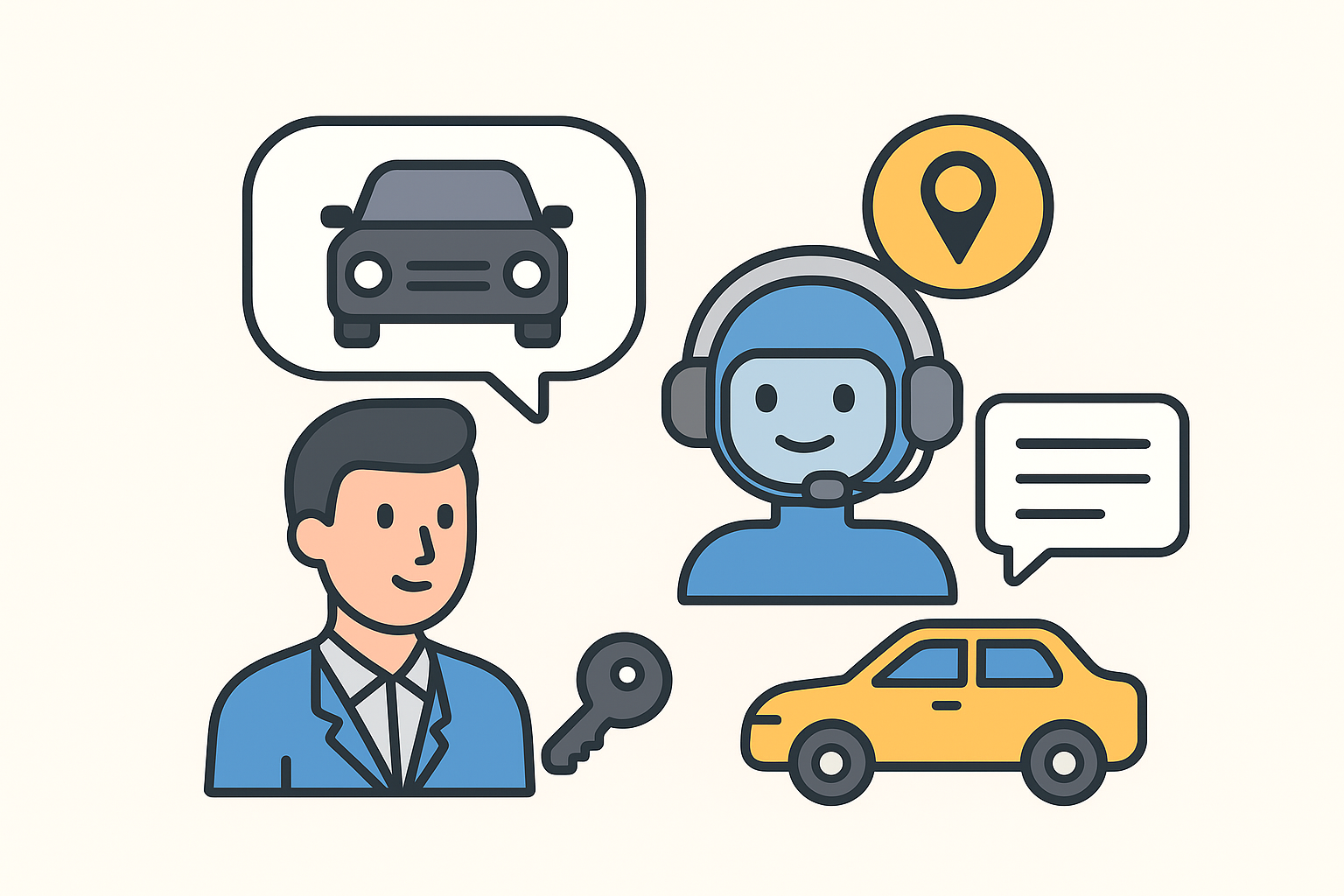
A smooth journey does not end with flight and hotel bookings—ground transportation is equally vital. Chatbots make renting cars, booking taxis, or reserving airport transfers extremely simple. Instead of visiting multiple rental sites or downloading separate apps, travelers can ask their chatbot assistant for the best available options. For example, a traveler arriving in Rome can ask the chatbot to “book me a mid-size car from the airport for three days,” and receive confirmation instantly. Beyond car rentals, some chatbots also suggest public transport options, ridesharing services, and even help with real-time navigation tips. This level of integration ensures that travelers don’t face the stress of transportation gaps during their trips. By combining air, hotel, and land travel in one place, chatbots create a seamless, end-to-end booking experience that is both efficient and cost-effective.
Multilingual Chatbots: Bridging Global Communication Gaps
One of the greatest challenges in global travel is language. Travelers often struggle to communicate in destinations where they don’t speak the local language. Chatbots with multilingual support are solving this problem by offering translations and interactions in multiple languages. For example, a traveler from China visiting France can interact with a chatbot in Mandarin while the hotel staff receives the information in French. This eliminates misunderstandings, builds trust, and creates a more comfortable experience for international travelers. Multilingual chatbots also enable travel businesses to expand their global reach, serving customers across continents without the need for large translation teams. By breaking down communication barriers, chatbots are making the world more accessible, inclusive, and traveler-friendly.
The Role of Chatbots in Business Travel Management
Corporate travel has its own unique challenges—tight schedules, expense tracking, and last-minute changes are common. Chatbots are proving to be valuable in business travel management by helping employees book flights, hotels, and meeting spaces quickly. For example, an employee can simply message the chatbot: “Book me a flight to New York tomorrow morning with an evening return,” and receive instant confirmation. Some advanced chatbots also integrate with corporate policies, ensuring that bookings remain within budget and comply with company guidelines. Moreover, chatbots can automate expense reports by tracking bookings and generating receipts. This level of automation not only saves time for employees but also reduces administrative costs for companies. As business travel continues to recover globally, chatbots are becoming indispensable tools for corporations aiming to simplify travel logistics.
Travel Itinerary Planning with AI-Powered Chatbots
Beyond just bookings, chatbots are now helping travelers plan entire itineraries. Instead of spending hours researching destinations, attractions, and activities, travelers can rely on chatbots for AI-driven itinerary planning. For instance, a family planning a week-long vacation to Spain can ask the chatbot for day-by-day suggestions that include sightseeing, dining, and relaxation. The chatbot can recommend popular attractions like the Sagrada Familia in Barcelona, hidden gems, and even local dining experiences tailored to dietary preferences. These itineraries can be adjusted in real time depending on weather, budget, or user feedback. This dynamic and personalized approach makes planning less stressful and ensures travelers make the most of their trips without missing important experiences.
Reducing Travel Stress with Real-Time Updates
Uncertainty is a major factor that stresses out travelers, whether it’s due to flight delays, cancellations, or unexpected changes in plans. Chatbots play a crucial role in reducing this stress by offering real-time updates. Instead of constantly refreshing airline websites or waiting for emails, travelers receive instant notifications about schedule changes, gate information, or weather alerts directly through the chatbot. Some advanced chatbots also suggest alternative solutions when disruptions occur, such as recommending another flight or arranging hotel stays in case of cancellations. This proactive communication keeps travelers informed and helps them adapt quickly without unnecessary frustration. By minimizing surprises and offering solutions in real time, chatbots enhance the overall travel experience and increase customer satisfaction.
Enhancing Customer Engagement for Travel Businesses
For travel agencies, airlines, and hotels, customer engagement is critical. Chatbots act as digital engagement tools that not only answer questions but also build lasting relationships with travelers. For instance, a chatbot can follow up after a trip by asking for reviews, suggesting loyalty rewards, or offering discounts for future bookings. These small but meaningful interactions keep customers connected to the brand long after their journey has ended. Additionally, chatbots can upsell services, such as premium seats, insurance packages, or guided tours, in a conversational and non-intrusive way. This engagement not only boosts revenue but also strengthens customer loyalty. Businesses that leverage chatbots effectively position themselves as traveler-friendly and innovative, staying ahead of competitors in the fast-paced tourism industry.
Data Collection and Insights Through Travel Chatbots
One of the hidden strengths of chatbots lies in their ability to gather valuable data. Every interaction provides insights into traveler preferences, frequently searched destinations, budget ranges, and booking behaviors. By analyzing this data, businesses can refine their services, improve marketing campaigns, and offer more accurate recommendations in the future. For example, if a chatbot notices that a majority of users are asking about eco-friendly accommodations, a hotel chain can adapt its offerings accordingly. Data also helps identify pain points, such as common complaints about flight delays or pricing concerns. With these insights, travel businesses can continuously improve their operations, ensuring a better user experience while also increasing profitability.
Secure Payments and Fraud Prevention with Chatbots
Security is one of the most critical concerns in online bookings, especially in the travel sector where sensitive personal and financial data is exchanged. Chatbots equipped with secure payment gateways ensure that transactions are completed safely without redirecting users to multiple external pages. Using encryption protocols, tokenized payments, and two-factor authentication, chatbots create a secure environment for flight bookings, hotel reservations, and car rentals. Another advantage is fraud detection. Since chatbots operate with AI and machine learning, they can identify unusual transaction patterns or suspicious behaviors and flag them immediately. For instance, if multiple bookings are attempted with the same card across different destinations in a short period, the chatbot can alert the user or block the attempt. This proactive approach not only builds trust but also enhances customer confidence in using chatbots for financial transactions. With rising cyber threats in the travel industry, integrating robust payment and security features is essential for making chatbots reliable and user-friendly.
Sustainability and Eco-Friendly Travel with Chatbots
As travelers become increasingly aware of environmental issues, sustainable travel solutions are gaining momentum. Chatbots are now helping eco-conscious travelers make greener choices by recommending eco-friendly hotels, airlines with lower carbon emissions, and sustainable tour operators. For example, a chatbot can suggest accommodations that use renewable energy or airlines that participate in carbon offset programs. Additionally, chatbots can educate travelers about reducing their environmental footprint by choosing local experiences, avoiding unnecessary flights, or opting for trains instead of short-haul flights. Travel businesses can leverage this trend to align themselves with global sustainability goals, attracting a growing audience of eco-conscious customers. By promoting sustainable travel practices, chatbots not only enhance the traveler’s journey but also contribute to preserving destinations for future generations. This combination of technology and responsibility showcases how digital transformation in travel is not just about convenience but also about making a positive global impact.
The Future of AI-Powered Travel Chatbots

The current generation of chatbots is already impressive, but the future holds even greater potential. With advancements in natural language processing, predictive analytics, and voice technology, AI-powered travel chatbots will become even more human-like in interactions. Imagine a chatbot that can understand the tone of a traveler’s message, predict their needs before they are expressed, and provide hyper-personalized recommendations. For example, if a traveler frequently books beach destinations, the chatbot could suggest upcoming flight deals to tropical locations without being asked. Integration with emerging technologies like augmented reality (AR) and virtual reality (VR) could also allow travelers to preview hotel rooms or explore destinations before booking. Voice assistants like Alexa or Google Assistant may merge seamlessly with travel chatbots, enabling hands-free bookings and real-time updates. As technology evolves, chatbots will shift from being simple booking tools to becoming full-scale virtual travel companions, guiding travelers from the planning stage to post-trip feedback.
Conclusion: Transforming the Travel Experience with Engagerbot
The integration of chatbots into the booking and travel industry has redefined convenience, personalization, and efficiency for modern travelers. From simplifying flight and hotel bookings to offering multilingual support, real-time updates, secure payments, and sustainable recommendations, chatbots are reshaping how people explore the world. Businesses that embrace these tools not only improve customer satisfaction but also gain a competitive edge in the digital marketplace. Platforms like Engagerbot empower travel companies by providing intelligent, customizable chatbots that cater to diverse traveler needs. As travelers continue to seek faster, smarter, and more personalized journeys, chatbots will remain at the heart of innovation in the travel industry. By combining technology, data, and customer engagement, booking and travel chatbots are ensuring that every journey is not just a trip but a seamless and memorable experience.