
Agency chatbot solutions empower businesses to automate customer engagement, generate qualified leads, and scale support operations with AI-driven precision and personalization.
Introduction
In today’s fast-paced digital ecosystem, businesses are constantly searching for ways to streamline communication, improve customer experiences, and increase conversions. This is where agency chatbot solutions have emerged as a game-changer. Instead of relying solely on manual interactions, companies are now leveraging AI-powered chatbots to automate conversations, qualify leads, and provide instant support across multiple platforms.
At its core, an agency chatbot is not just a tool—it’s a strategic asset. It enables marketing agencies, digital service providers, and enterprises to deliver consistent, personalized interactions at scale. From handling customer inquiries to nurturing prospects through the sales funnel, chatbots are redefining how businesses engage with their audiences in real-time.
For businesses exploring chatbot implementation through platforms like Engagerbot, the opportunity lies in combining automation with intelligent conversation design. This blog will explore everything you need to know about agency chatbots, including strategy, implementation, SEO benefits, and best practices aligned with Google’s E-E-A-T principles.
What Is an Agency Chatbot and Why It Matters
An agency chatbot is a conversational AI system designed specifically for agencies to deploy, manage, and optimize automated interactions for their clients. Unlike standalone bots, agency chatbots are scalable, customizable, and often integrated with CRM systems, marketing automation tools, and analytics platforms. They act as virtual assistants that engage users across websites, social media, and messaging apps.
The importance of agency chatbots lies in their ability to handle high volumes of interactions without compromising quality. Businesses today expect instant responses, and chatbots fulfill this expectation efficiently. According to insights from Google Developers, user experience and responsiveness are critical ranking and engagement factors, making chatbots an essential component of modern digital strategies.
Moreover, agency chatbots contribute significantly to operational efficiency. They reduce human workload, minimize response time, and ensure 24/7 availability. For agencies managing multiple clients, this translates into improved service delivery and measurable ROI. The result is a win-win scenario: better customer satisfaction and higher business productivity.
How Agency Chatbots Work: Technology and Architecture
Agency chatbots operate using a combination of natural language processing (NLP), machine learning algorithms, and predefined workflows. NLP enables the chatbot to understand user intent, while machine learning allows it to improve over time based on interactions. This dynamic combination ensures that conversations feel natural and contextually relevant.
The architecture of a chatbot typically includes three layers: the user interface, the processing engine, and the integration layer. The user interface is where interactions occur, such as a website widget or messaging app. The processing engine interprets queries and generates responses, while the integration layer connects the chatbot to external systems like CRMs, databases, and APIs.
Security and performance are also critical components. Following guidelines from OWASP, agencies must ensure that chatbot systems are protected against vulnerabilities such as data breaches and injection attacks. A secure chatbot not only protects user data but also builds trust, which is essential for long-term engagement and brand reputation.
Key Benefits of Using Agency Chatbots for Businesses
One of the most significant advantages of agency chatbots is their ability to deliver instant responses. In an era where users expect real-time engagement, chatbots ensure that no query goes unanswered. This immediate interaction improves user satisfaction and increases the likelihood of conversions.
Another major benefit is lead generation and qualification. Chatbots can ask targeted questions, segment users based on their responses, and direct high-quality leads to sales teams. This automation reduces manual effort and ensures that businesses focus on the most promising prospects.
Additionally, agency chatbots enhance scalability. Whether a business receives 10 or 10,000 inquiries, the chatbot can handle the load without performance degradation. This scalability is particularly valuable for growing businesses and agencies managing multiple clients simultaneously.
Types of Agency Chatbots and Their Use Cases
Agency chatbots come in various types, each designed for specific use cases. Rule-based chatbots follow predefined scripts and are ideal for handling simple queries. They are easy to implement but may lack flexibility in complex scenarios.
AI-powered chatbots, on the other hand, use machine learning to understand and respond to user queries more intelligently. These bots are suitable for advanced use cases such as customer support, product recommendations, and conversational marketing. They continuously learn and improve, making them highly adaptable.
Hybrid chatbots combine the best of both worlds. They use rule-based logic for structured interactions and AI capabilities for dynamic conversations. This approach ensures reliability while maintaining flexibility, making it a popular choice for agencies seeking comprehensive solutions.
Agency Chatbots and SEO: Enhancing User Experience Signals
While chatbots are not a direct ranking factor, they significantly impact SEO through user experience signals. Metrics such as bounce rate, dwell time, and engagement play a crucial role in search rankings. Chatbots help improve these metrics by keeping users engaged and providing instant assistance.
According to Google Search Central, user experience is a key component of search quality. By offering real-time support and guiding users through the website, chatbots contribute to a seamless browsing experience, which can positively influence rankings.
Furthermore, chatbots can assist in content discovery. By recommending relevant pages, blog posts, or products, they help users navigate the website more effectively. This improved navigation not only enhances user satisfaction but also increases the likelihood of conversions.
Integrating Chatbots with Marketing Automation Systems
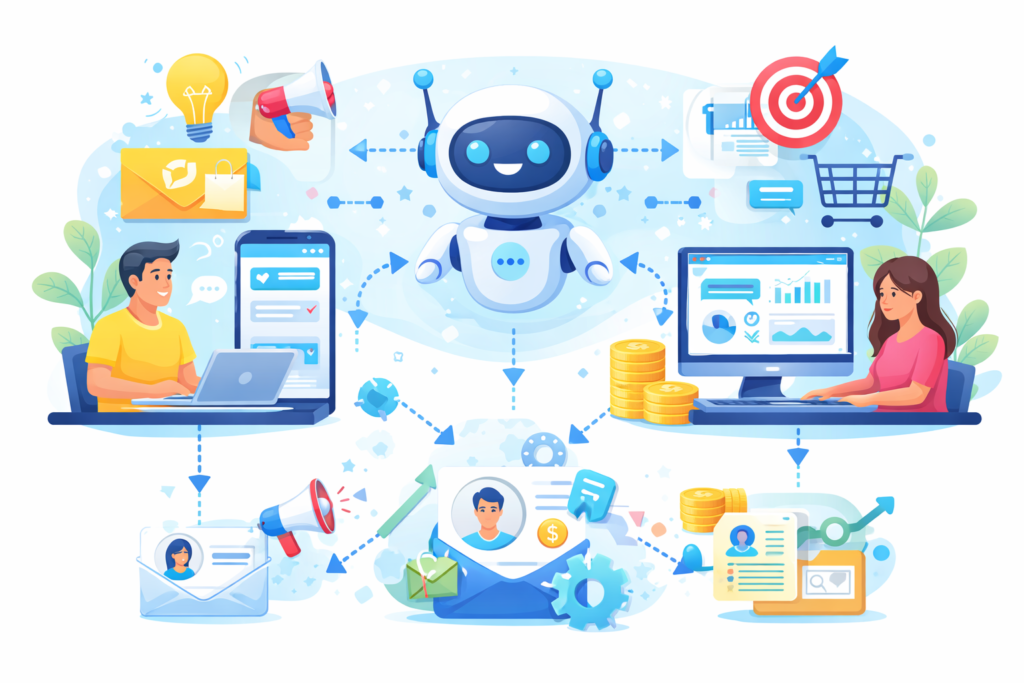
Integration is a critical aspect of agency chatbot implementation. By connecting chatbots with marketing automation platforms, agencies can create a unified ecosystem that streamlines workflows and enhances efficiency. This integration allows for seamless data flow between systems, enabling personalized and targeted interactions.
For example, when a user interacts with a chatbot, their data can be automatically captured and stored in a CRM system. This data can then be used for email marketing, retargeting campaigns, and personalized offers. The result is a cohesive marketing strategy that maximizes engagement and conversions.
Additionally, integration enables advanced analytics and reporting. Agencies can track user interactions, measure performance, and identify areas for improvement. This data-driven approach ensures continuous optimization and better results over time.
Designing Conversational Flows That Convert
Effective chatbot design goes beyond technology—it requires a deep understanding of user behavior and psychology. Conversational flows should be intuitive, engaging, and aligned with user intent. This involves mapping out user journeys and creating responses that guide users toward desired actions.
One key aspect of conversational design is personalization. By using user data and context, chatbots can deliver tailored responses that resonate with individual users. This personalization enhances engagement and increases the likelihood of conversions.
Another important factor is clarity and simplicity. Conversations should be easy to follow, with clear options and minimal friction. Overcomplicated flows can confuse users and lead to drop-offs. By keeping interactions straightforward and user-friendly, agencies can maximize the effectiveness of their chatbots.
Chatbots for Lead Generation and Sales Funnels
Agency chatbots play a crucial role in lead generation and sales funnel optimization. They act as the first point of contact, capturing user information and qualifying leads based on predefined criteria. This automation ensures that only high-quality leads are passed on to sales teams.
Chatbots can also nurture leads by providing relevant information and guiding users through the decision-making process. For example, they can recommend products, answer questions, and address concerns in real-time. This continuous engagement helps build trust and increases conversion rates.
Moreover, chatbots enable proactive engagement. Instead of waiting for users to initiate contact, they can trigger conversations based on user behavior, such as time spent on a page or specific actions. This proactive approach ensures that opportunities are not missed and that users receive timely assistance.
Security and Compliance in Chatbot Development
Security is a critical consideration in chatbot development. With the increasing amount of data being collected and processed, agencies must ensure that their chatbot systems are secure and compliant with relevant regulations. This includes implementing encryption, secure authentication, and data protection measures.
Guidelines from Cloudflare emphasize the importance of protecting user data and maintaining system integrity. By following these best practices, agencies can prevent data breaches and ensure a safe user experience.
Compliance with regulations such as GDPR is also essential. Agencies must ensure that user data is collected and processed transparently, with proper consent and privacy measures in place. This not only protects users but also enhances trust and credibility.
Measuring Chatbot Performance and ROI
Measuring the performance of agency chatbots is essential for understanding their impact and optimizing their effectiveness. Key metrics include engagement rate, conversion rate, response time, and user satisfaction. These metrics provide valuable insights into how well the chatbot is performing.
Analytics tools can help agencies track these metrics and identify trends. For example, a high drop-off rate may indicate issues with conversational flow, while low engagement may suggest the need for better personalization. By analyzing these insights, agencies can make data-driven improvements.
ROI is another critical factor. By comparing the cost of chatbot implementation with the benefits, such as increased conversions and reduced operational costs, agencies can determine the value of their investment. A well-implemented chatbot can deliver significant returns, making it a worthwhile investment for businesses.
AI Personalization and Customer Experience Optimization
One of the most powerful aspects of an agency chatbot is its ability to deliver hyper-personalized user experiences. Unlike traditional customer service methods, chatbots can analyze user behavior, preferences, and interaction history in real time. This allows businesses to tailor responses, recommendations, and offers based on individual user profiles, significantly improving engagement and satisfaction.
Personalization goes beyond simply addressing users by their names. It involves understanding intent, predicting needs, and delivering relevant solutions instantly. For example, if a returning visitor lands on a pricing page, the chatbot can proactively offer assistance, share discounts, or provide case studies. According to Moz, personalized user experiences can lead to higher engagement metrics, which indirectly contribute to better search visibility.
From a strategic perspective, personalization enhances customer loyalty and trust. When users feel understood and valued, they are more likely to engage, convert, and return. Agencies that implement intelligent personalization within chatbot systems position themselves as forward-thinking and customer-centric, which is a key differentiator in competitive markets.
Multi-Channel Chatbot Deployment Strategies
Modern users interact with brands across multiple platforms, including websites, social media, and messaging apps. Agency chatbots must therefore adopt a multi-channel deployment strategy to ensure consistent communication across all touchpoints. This unified approach allows businesses to meet users where they are, rather than forcing them onto a single platform.
A well-integrated chatbot can operate seamlessly across platforms like websites, Facebook Messenger, WhatsApp, and more. This ensures that users receive the same level of support and engagement regardless of the channel they choose. According to Search Engine Journal, omnichannel strategies are critical for maintaining brand consistency and improving customer experience.
Additionally, multi-channel deployment enables data synchronization. User interactions from different platforms can be consolidated into a single database, providing a comprehensive view of customer behavior. This data can then be used to refine marketing strategies, improve targeting, and enhance overall performance.
Future Trends in Agency Chatbots and AI Automation
The future of agency chatbots is closely tied to advancements in artificial intelligence and automation. Emerging technologies such as generative AI, voice recognition, and sentiment analysis are set to redefine how chatbots interact with users. These innovations will enable more natural, human-like conversations and deeper understanding of user emotions.
One key trend is the integration of voice-based chatbots. With the rise of voice assistants, businesses are exploring ways to incorporate voice interactions into their chatbot systems. This adds a new dimension to user engagement and opens up opportunities for more accessible and intuitive communication.
Another important trend is predictive analytics. By analyzing historical data, chatbots can anticipate user needs and provide proactive solutions. This not only improves efficiency but also enhances the overall user experience. Agencies that stay ahead of these trends will be better positioned to deliver cutting-edge solutions and maintain a competitive edge.
Choosing the Right Agency Chatbot Platform

Selecting the right chatbot platform is a critical decision that can significantly impact the success of your implementation. There are numerous platforms available, each offering different features, capabilities, and pricing models. Agencies must carefully evaluate their requirements and choose a solution that aligns with their goals.
Key factors to consider include ease of use, scalability, integration capabilities, and customization options. A platform should be flexible enough to adapt to different client needs while providing robust tools for building and managing chatbots. Additionally, it should offer strong analytics and reporting features to track performance and optimize strategies.
Security and compliance should also be top priorities. Platforms that follow best practices from organizations like OWASP ensure that user data is protected and that the system is resilient against potential threats. By choosing a reliable and secure platform, agencies can build trust and deliver high-quality solutions to their clients.
Scaling Agency Chatbot Services for Long-Term Growth
Scaling chatbot services requires a strategic approach that goes beyond initial implementation. Agencies must focus on continuous improvement, innovation, and adaptation to changing market dynamics. This involves regularly updating chatbot content, refining conversational flows, and incorporating new technologies.
One effective strategy is to develop standardized frameworks and templates. These can be customized for different clients, reducing development time and ensuring consistency. At the same time, agencies should invest in training and upskilling their teams to stay updated with the latest trends and technologies.
Long-term growth also depends on building strong client relationships. By demonstrating the value of chatbot solutions through measurable results, agencies can establish trust and secure long-term partnerships. Platforms like Engagerbot provide the tools and capabilities needed to scale effectively, enabling agencies to deliver exceptional results and drive sustainable growth.
Common Mistakes to Avoid in Agency Chatbot Implementation
One common mistake is overcomplicating chatbot conversations. Many agencies attempt to include too many features and options, resulting in confusing and overwhelming interactions. Instead, chatbots should focus on simplicity and clarity, guiding users toward specific goals without unnecessary complexity.
Another frequent issue is neglecting personalization. Generic responses can make interactions feel robotic and impersonal, reducing engagement and trust. Agencies must leverage data and context to create meaningful, tailored experiences that resonate with users.
Finally, failing to monitor and optimize chatbot performance can limit effectiveness. Chatbots are not “set-and-forget” tools—they require continuous analysis and improvement. Without regular updates and optimization, their performance may decline over time.
Best Practices Summary for High-Performance Chatbots
To achieve optimal results, agencies should follow a set of proven best practices. First, focus on user-centric design by understanding audience needs and creating intuitive conversational flows. This ensures that interactions are relevant, engaging, and effective.
Second, prioritize integration and scalability. A chatbot should seamlessly connect with existing systems and be capable of handling increased demand. This flexibility is essential for long-term success and growth.
Third, maintain a strong emphasis on security and compliance. By following guidelines from trusted sources like Cloudflare, agencies can protect user data and build trust. Combining these best practices with continuous optimization ensures that chatbot solutions deliver maximum value.
FAQs
1. What is an agency chatbot?
An agency chatbot is an AI-powered conversational tool designed for agencies to automate communication, generate leads, and improve customer engagement for their clients.
2. How do chatbots improve SEO?
Chatbots enhance user engagement, reduce bounce rates, and improve dwell time, which are important user experience signals considered by Google Search Central.
3. Are chatbots suitable for small businesses?
Yes, chatbots are highly scalable and can be tailored to fit the needs and budgets of small businesses, making them a valuable tool for growth.
4. Can chatbots replace human agents?
Chatbots are designed to complement human agents, not replace them. They handle routine tasks while human agents focus on complex interactions.
5. How secure are chatbot systems?
When developed following best practices from OWASP, chatbots can be highly secure and protect user data effectively.
6. What industries benefit most from chatbots?
Industries such as e-commerce, healthcare, real estate, and customer support benefit significantly from chatbot implementation.
7. How long does it take to implement a chatbot?
Implementation time varies depending on complexity but typically ranges from a few days to several weeks.
8. What is the ROI of agency chatbots?
ROI depends on factors such as usage, efficiency gains, and conversion improvements, but chatbots often deliver significant cost savings and revenue growth.
Conclusion
Agency chatbots are transforming how businesses communicate, engage, and grow in the digital age. By combining automation, personalization, and intelligent design, they enable agencies to deliver exceptional value to their clients. From improving user experience to driving conversions, chatbots have become an essential component of modern business strategies.
For businesses exploring advanced chatbot solutions through Engagerbot, the opportunity lies in leveraging these technologies to create meaningful, scalable, and results-driven interactions. By following best practices, avoiding common mistakes, and staying ahead of emerging trends, agencies can unlock the full potential of chatbot technology and achieve sustainable growth.
Want to Implement This Easily?
Prompt:
You are an expert consultant. Based on the blog post titled “(Agency Chatbot)”, provide a step-by-step, practical implementation guide. Include tools, best practices, common mistakes to avoid, and advanced tips. Assume the reader wants to implement everything discussed in this article effectively.
Call to Action:
Want our help implementing this? Just reach out to us via our website contact form: https://www.engagerbot.com/contact-us/