

Design chatbot solutions that boost engagement, automate support, and drive conversions. Learn advanced chatbot design strategies, UX principles, AI integration, and optimization techniques.
Introduction
In today’s digital-first landscape, chatbot technology has evolved from simple rule-based responders into intelligent conversational systems powered by artificial intelligence. Businesses are increasingly investing in chatbot design to streamline communication, improve customer experience, and scale operations efficiently. A well-designed chatbot is not just about automation—it’s about creating meaningful, human-like interactions that solve real user problems.
At its core, chatbot design blends multiple disciplines, including user experience (UX), natural language processing (NLP), interface design, and behavioral psychology. The goal is to create a seamless conversational flow that feels intuitive and helpful rather than robotic or frustrating. When executed properly, chatbots can reduce response times, increase customer satisfaction, and significantly improve conversion rates.
This comprehensive guide by Engagerbot will walk you through everything you need to know about designing powerful chatbot systems—from strategy and architecture to optimization and scaling. Whether you’re a business owner, developer, or marketer, this guide will provide actionable insights rooted in real-world applications and industry best practices.
Understanding Chatbot Design Fundamentals
Chatbot design is far more than scripting automated replies—it’s about creating a structured conversational system that understands user intent and responds intelligently. A strong foundation begins with identifying the chatbot’s purpose. Is it designed for customer support, lead generation, onboarding, or eCommerce assistance? Defining this clearly ensures that every design decision aligns with business goals.
A key component of chatbot design is conversation flow mapping. This involves outlining how users will interact with the bot and how the bot should respond to different inputs. Unlike traditional interfaces, chatbots rely on dynamic interactions, meaning designers must anticipate multiple user paths and edge cases. Creating flowcharts and decision trees helps visualize these interactions and prevents dead ends.
Another essential element is choosing between rule-based and AI-powered chatbots. Rule-based bots follow predefined scripts, making them ideal for simple tasks. AI-driven bots, on the other hand, use machine learning and NLP to understand context and provide more flexible responses. Most modern chatbot systems combine both approaches, ensuring efficiency while maintaining adaptability.
Importance of User Experience (UX) in Chatbot Design
User experience plays a critical role in determining the success of a chatbot. A poorly designed chatbot can frustrate users, leading to high bounce rates and negative brand perception. On the other hand, a well-crafted conversational experience can enhance engagement and build trust.
One of the most important UX principles in chatbot design is simplicity. Conversations should be easy to follow, with clear prompts and minimal cognitive load. Users should never feel confused about what to do next. Providing quick reply buttons, suggested actions, and guided responses helps streamline interactions and reduce friction.
Another important factor is personalization. Modern users expect tailored experiences, and chatbots can deliver this by leveraging user data and behavior. Personalized greetings, recommendations, and responses make interactions feel more human and relevant. This not only improves satisfaction but also increases the likelihood of conversions.
Finally, consistency is key. The chatbot’s tone, language, and personality should align with the brand’s voice. Whether formal or conversational, maintaining consistency ensures a cohesive user experience across all touchpoints.
Defining Clear Objectives for Your Chatbot
Before designing a chatbot, it’s crucial to establish clear objectives. Without defined goals, the chatbot may lack direction and fail to deliver measurable results. Objectives should be aligned with business priorities, such as improving customer support efficiency, increasing sales, or enhancing user engagement.
Setting specific, measurable goals allows you to evaluate the chatbot’s performance effectively. For example, a customer support chatbot might aim to reduce response times by 50% or handle 70% of inquiries without human intervention. These metrics provide a benchmark for success and guide ongoing optimization efforts.
Another important aspect is identifying your target audience. Understanding user demographics, preferences, and pain points helps tailor the chatbot’s design to meet their needs. For instance, a chatbot designed for tech-savvy users may use more advanced language, while one targeting a general audience should prioritize simplicity and clarity.
Ultimately, clear objectives ensure that every element of the chatbot—from conversation flow to UI design—serves a specific purpose, resulting in a more effective and impactful solution.
Choosing the Right Chatbot Platform and Technology
Selecting the right platform is a critical step in chatbot design. The platform determines the chatbot’s capabilities, scalability, and integration options. Popular platforms offer features such as drag-and-drop builders, AI integration, analytics, and multi-channel support.
When evaluating platforms, consider factors like ease of use, customization options, and compatibility with your existing systems. For example, businesses that rely heavily on CRM systems should choose platforms that offer seamless integration. This ensures that customer data is synchronized and interactions are personalized.
Scalability is another important consideration. As your business grows, your chatbot should be able to handle increased traffic and more complex interactions. Cloud-based solutions are often preferred because they offer flexibility and scalability without requiring significant infrastructure investments.
Security and compliance should not be overlooked. Ensure that the platform adheres to industry standards and regulations, especially if your chatbot handles sensitive data. This builds trust and protects both your business and your users.
Designing Conversational Flows That Convert
A well-designed conversational flow is the backbone of an effective chatbot. It determines how users navigate through interactions and ultimately influences conversion rates. The key is to create flows that are intuitive, engaging, and goal-oriented.
Start by identifying the main user journeys. These could include common tasks such as booking appointments, making purchases, or resolving issues. Each journey should have a clear beginning, middle, and end, ensuring a smooth progression from one step to the next.
Incorporating decision points is essential for handling different user inputs. These points guide users based on their responses, creating a personalized experience. However, it’s important to keep the flow as simple as possible to avoid overwhelming users with too many options.
Another effective strategy is using microcopy—short, concise messages that guide users through the conversation. Well-crafted microcopy can reduce confusion and encourage users to take desired actions, such as completing a purchase or providing contact information.
Natural Language Processing (NLP) in Chatbot Design
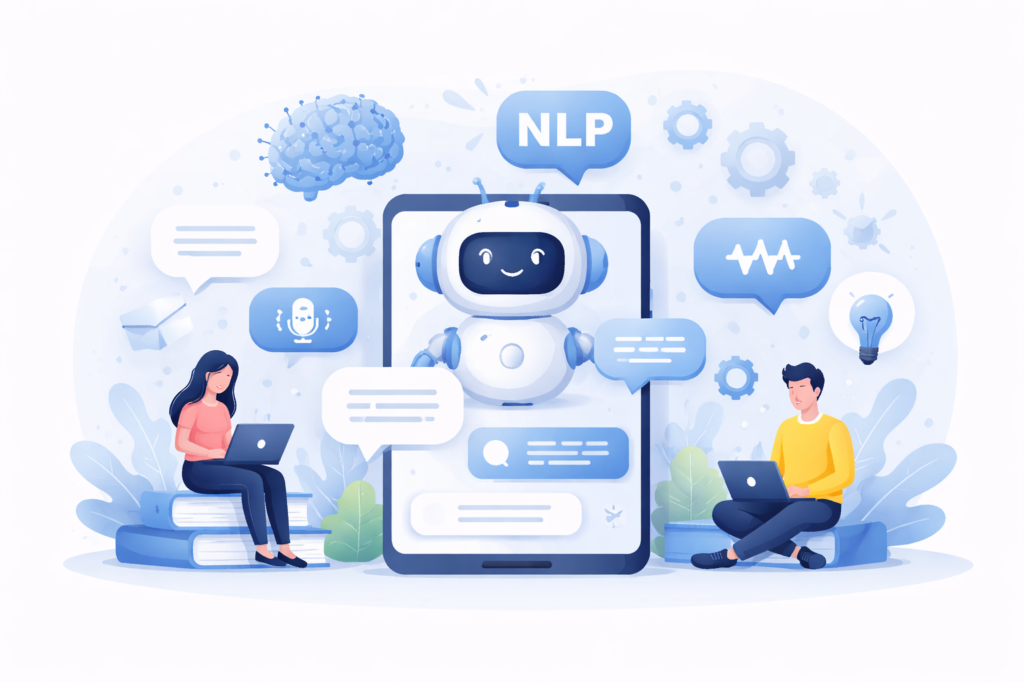
Natural Language Processing is a game-changer in chatbot design, enabling bots to understand and interpret human language. NLP allows chatbots to go beyond keyword matching and analyze context, intent, and sentiment.
Implementing NLP involves training the chatbot with a wide range of user inputs. This helps the system recognize different ways users might express the same intent. For example, “I need help,” “Can you assist me?” and “Support required” should all trigger similar responses.
Another important aspect is entity recognition. This allows the chatbot to extract specific information from user inputs, such as names, dates, or locations. By understanding these entities, the chatbot can provide more accurate and relevant responses.
Continuous learning is essential for improving NLP performance. By analyzing user interactions and feedback, you can refine the chatbot’s understanding and enhance its accuracy over time.
Creating a Human-Like Chatbot Personality
A chatbot’s personality plays a significant role in shaping user perception. A well-defined personality makes interactions more engaging and relatable, while a poorly designed one can feel robotic and impersonal.
Start by defining your brand voice. Is it friendly, professional, humorous, or authoritative? This tone should be reflected in every message the chatbot delivers. Consistency is key to building trust and recognition.
Using conversational language helps create a more natural interaction. Avoid overly technical jargon unless it’s appropriate for your audience. Instead, focus on clear, simple language that is easy to understand.
Adding small human-like elements, such as greetings, acknowledgments, and even humor, can enhance the user experience. However, it’s important to strike a balance—too much personality can be distracting, while too little can feel dull.
Integrating Chatbots with Business Systems
Integration is a crucial aspect of chatbot design that often determines its effectiveness. A standalone chatbot with limited functionality cannot deliver the same value as one that is deeply integrated with business systems.
Common integrations include CRM systems, eCommerce platforms, and customer support tools. These integrations allow the chatbot to access and update data in real time, enabling personalized and efficient interactions.
For example, an integrated chatbot can retrieve customer order history, provide status updates, and even process returns. This reduces the need for human intervention and improves overall efficiency.
APIs play a vital role in enabling these integrations. By leveraging APIs, developers can connect the chatbot to various systems and extend its capabilities. This ensures that the chatbot remains flexible and adaptable to changing business needs.
Chatbot Design for SEO and Content Strategy
Designing a chatbot with SEO in mind is a powerful yet often overlooked strategy. While chatbots themselves are not indexed like traditional web pages, they significantly influence user engagement metrics such as dwell time, bounce rate, and session duration—all of which impact search rankings. A well-designed chatbot keeps users engaged longer, guiding them toward relevant content and improving overall site performance.
One effective approach is integrating chatbot interactions with your content strategy. For example, when users ask questions, the chatbot can recommend blog posts, product pages, or guides that directly address their queries. This not only enhances the user experience but also increases internal linking and page views. Aligning chatbot responses with targeted keywords ensures consistency between conversational interactions and SEO efforts.
To follow Google’s SEO best practices, refer to Google SEO Starter Guide. This resource highlights the importance of user-focused content, which aligns perfectly with chatbot-driven engagement strategies. By combining conversational design with SEO principles, businesses can create a cohesive digital experience that benefits both users and search engines.
Performance Optimization and Speed Considerations
Performance is a critical factor in chatbot design, as slow or unresponsive bots can frustrate users and lead to abandonment. Optimizing chatbot performance involves ensuring fast response times, efficient data processing, and seamless integration with backend systems.
One key strategy is minimizing latency. This can be achieved by using lightweight scripts, optimizing API calls, and leveraging caching mechanisms. Cloud-based hosting solutions also play a significant role in improving performance by providing scalable infrastructure that can handle varying levels of traffic.
Another important aspect is aligning chatbot performance with Core Web Vitals. According to Core Web Vitals guidelines, metrics such as loading speed, interactivity, and visual stability directly impact user experience and search rankings. Ensuring that your chatbot does not negatively affect these metrics is essential for maintaining overall site performance.
Regular performance testing is also crucial. By monitoring metrics such as response time, error rates, and user satisfaction, you can identify bottlenecks and make necessary improvements. Continuous optimization ensures that your chatbot remains efficient and reliable over time.
Chatbot Security and Data Privacy Best Practices
Security and data privacy are fundamental considerations in chatbot design, especially when handling sensitive user information. A secure chatbot not only protects data but also builds trust with users, which is essential for long-term success.
One of the first steps is implementing secure communication protocols such as HTTPS. This ensures that data transmitted between users and the chatbot is encrypted and protected from unauthorized access. Additionally, authentication mechanisms should be in place to verify user identities when accessing sensitive information.
Compliance with data protection regulations is another critical aspect. Following guidelines from General Data Protection Regulation (GDPR) helps ensure that user data is collected, stored, and processed responsibly. This includes obtaining user consent, providing transparency, and allowing users to control their data.
Regular security audits and updates are also essential. By identifying vulnerabilities and addressing them proactively, businesses can prevent potential breaches and maintain a secure chatbot environment.
Multi-Channel Chatbot Deployment Strategies
Modern users interact with brands across multiple platforms, making multi-channel chatbot deployment a necessity. A well-designed chatbot should provide a consistent experience across websites, mobile apps, social media platforms, and messaging services.
Each platform has its own unique characteristics and user expectations. For example, chatbots on messaging apps often require shorter, more conversational responses, while website chatbots can provide more detailed information. Adapting the chatbot’s design to suit each platform ensures a seamless user experience.
Centralized management systems are essential for maintaining consistency across channels. These systems allow businesses to update chatbot content, monitor performance, and manage interactions from a single dashboard. This not only improves efficiency but also ensures that users receive consistent information regardless of the platform.
Another important consideration is integration with platform-specific features. For example, leveraging quick replies, buttons, and rich media can enhance user interactions and improve engagement across different channels.
Measuring Chatbot Success with Analytics
Analytics play a crucial role in evaluating the effectiveness of a chatbot. Without proper measurement, it is difficult to determine whether the chatbot is achieving its objectives or identify areas for improvement.
Key performance indicators (KPIs) for chatbots include metrics such as user engagement, completion rates, response accuracy, and customer satisfaction. These metrics provide valuable insights into how users interact with the chatbot and how well it meets their needs.
Advanced analytics tools can also track user behavior and identify patterns. For example, analyzing conversation logs can reveal common user queries, pain points, and areas where the chatbot may need improvement. This data-driven approach enables continuous optimization and enhances overall performance.
To align with Google Analytics standards, refer to Google Analytics Help. Integrating chatbot data with analytics platforms provides a comprehensive view of user interactions and helps drive informed decision-making.
Continuous Improvement and AI Training
Chatbot design is not a one-time process—it requires ongoing improvement and refinement. As user behavior evolves and business needs change, chatbots must adapt to remain effective and relevant.
One of the most important aspects of continuous improvement is training the chatbot’s AI model. This involves analyzing user interactions, identifying gaps in understanding, and updating the system to improve accuracy. Regular training ensures that the chatbot can handle a wider range of queries and provide more accurate responses.
User feedback is another valuable source of insights. Encouraging users to rate their experience or provide feedback helps identify areas for improvement. This feedback can be used to refine conversation flows, enhance responses, and improve overall user satisfaction.
A/B testing is also an effective strategy for optimization. By testing different conversation flows, messages, and features, businesses can determine what works best and implement data-driven improvements.
Future Trends in Chatbot Design

The future of chatbot design is shaped by advancements in artificial intelligence, machine learning, and user experience technologies. As these technologies continue to evolve, chatbots are becoming more intelligent, intuitive, and capable of handling complex interactions.
One major trend is the rise of voice-enabled chatbots. With the increasing popularity of voice assistants, integrating voice capabilities into chatbots allows for more natural and convenient interactions. This is particularly useful for mobile users and accessibility purposes.
Another emerging trend is hyper-personalization. By leveraging advanced data analytics and AI, chatbots can deliver highly personalized experiences tailored to individual users. This includes personalized recommendations, proactive support, and context-aware interactions.
Finally, the integration of chatbots with emerging technologies such as augmented reality (AR) and the Internet of Things (IoT) is opening new possibilities. These innovations enable chatbots to interact with users in more immersive and interactive ways, transforming the way businesses engage with their audiences.
Common Mistakes in Chatbot Design
One of the most common mistakes businesses make is overcomplicating the chatbot’s functionality. Trying to handle too many tasks at once can lead to confusing interactions and poor performance. Instead, it’s better to start with a focused scope and expand gradually.
Another frequent issue is neglecting user experience. Chatbots that lack clear navigation, intuitive responses, or personalization can frustrate users and reduce engagement. Ensuring a user-centric design is essential for success.
Failing to monitor and optimize chatbot performance is another critical mistake. Without regular updates and improvements, chatbots can become outdated and ineffective. Continuous monitoring and refinement are necessary to maintain relevance and efficiency.
Best Practices Summary
Designing a successful chatbot requires a strategic approach that combines technology, user experience, and continuous optimization. Start by defining clear objectives and understanding your target audience. This ensures that the chatbot’s design aligns with user needs and business goals.
Focus on creating intuitive conversational flows that guide users effectively. Incorporate personalization and maintain consistency in tone and messaging to enhance the user experience. Integration with business systems and multi-channel deployment further extends the chatbot’s capabilities.
Finally, prioritize performance, security, and continuous improvement. By following these best practices, businesses can create chatbots that deliver real value and drive measurable results.
FAQs
1. What is chatbot design?
Chatbot design is the process of creating conversational interfaces that allow users to interact with systems through natural language. It involves UX design, AI integration, and conversation flow planning.
2. How long does it take to design a chatbot?
The timeline varies depending on complexity. Simple chatbots can be built in a few days, while advanced AI-driven systems may take several weeks or months.
3. What industries benefit most from chatbots?
Industries such as eCommerce, healthcare, finance, and customer support benefit significantly from chatbot implementation due to high interaction volumes.
4. Are AI chatbots better than rule-based chatbots?
AI chatbots offer more flexibility and can handle complex interactions, while rule-based bots are suitable for simple, predefined tasks. A hybrid approach is often the best solution.
5. How can I improve my chatbot’s performance?
Regularly analyze user interactions, update conversation flows, and train the AI model. Performance testing and user feedback are also essential.
6. Is chatbot design expensive?
Costs vary depending on features and complexity. However, the long-term benefits, such as reduced operational costs and improved efficiency, often outweigh the initial investment.
7. Can chatbots replace human support?
Chatbots can handle routine tasks, but human support is still necessary for complex or sensitive issues. A combination of both provides the best results.
8. How do chatbots improve SEO?
By increasing user engagement, reducing bounce rates, and guiding users to relevant content, chatbots indirectly contribute to better search engine rankings.
Conclusion
Chatbot design is a powerful tool for transforming how businesses interact with their customers. By combining advanced technology with user-centric design principles, chatbots can deliver seamless, engaging, and efficient experiences. From improving customer support to driving conversions, the potential benefits are immense.
This guide by Engagerbot has explored every aspect of chatbot design, providing actionable insights and best practices to help you succeed. By implementing these strategies and continuously optimizing your chatbot, you can stay ahead of the competition and deliver exceptional value to your users.
Want to Implement This Easily?
Prompt:
You are an expert consultant. Based on the blog post titled “(Design Chatbot)”, provide a step-by-step, practical implementation guide. Include tools, best practices, common mistakes to avoid, and advanced tips. Assume the reader wants to implement everything discussed in this article effectively.
Call to Action:
Want our help implementing this? Just reach out to us via our website contact form: https://www.engagerbot.com/contact-us/