Learn how IT & Computing Chatbots improve IT support, automate workflows, and boost productivity with AI-powered solutions.
Introduction
In today’s fast-changing digital world, businesses are looking for better ways to improve efficiency. They also want to reduce costs and improve user experience. As a result, new technologies like the IT & Computing Chatbot are becoming very important for modern organizations. In particular, these AI-powered tools are changing how companies handle IT support and automate daily operations.
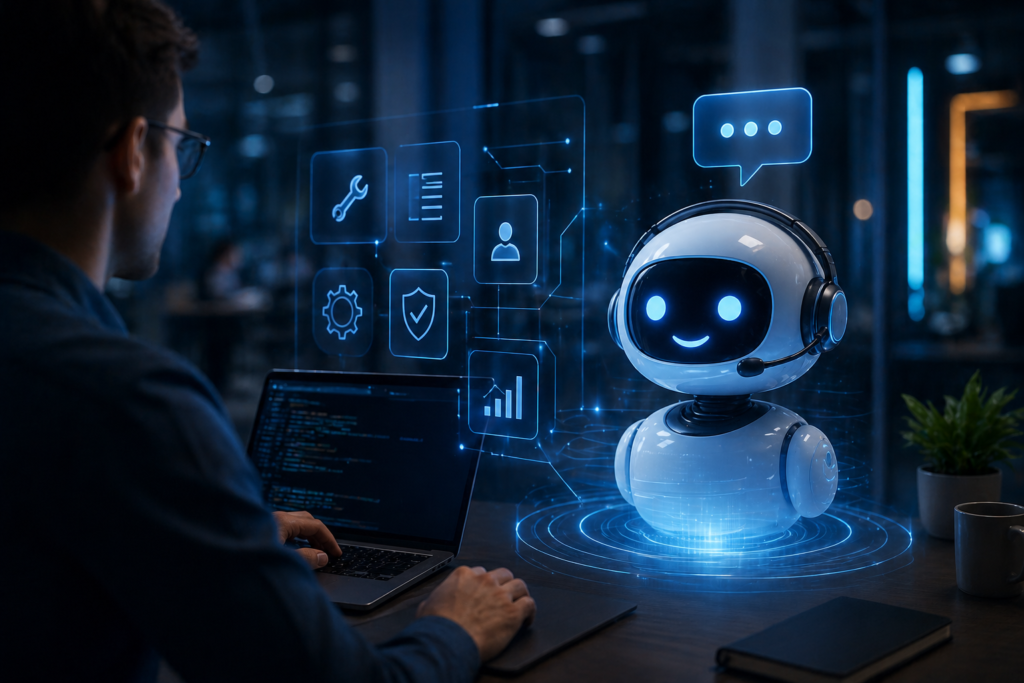
Moreover, an IT chatbot is not a simple chat tool. It is a smart system powered by artificial intelligence, machine learning, and natural language processing. Because of this, it can manage many IT tasks with ease. These include fixing software issues, handling system alerts, and supporting users in real time. As a result, users get faster and more reliable support.
In addition, the demand for quick and efficient IT services is growing every day. Therefore, businesses are now adopting chatbot solutions to improve workflow and productivity. Automation is no longer optional—it is necessary. At EngagerBot, advanced chatbot solutions are designed for modern IT systems. Ultimately, this guide will help you understand how IT chatbots work and why they are important for digital transformation.
What Is an IT & Computing Chatbot?
An IT & Computing Chatbot is an AI-powered virtual assistant. It is designed to handle IT-related tasks. These include troubleshooting, system monitoring, user support, and automation of repetitive work. Unlike basic chatbots, these systems are deeply connected with IT infrastructure. As a result, they can understand context and perform technical actions.
At its core, an IT chatbot uses natural language processing (NLP). This helps it understand user questions in simple language. It also uses machine learning to improve over time. Because of this, it becomes smarter with every interaction. It can reset passwords, fix common issues, and even detect network problems. All of this happens without human help.
What makes IT chatbots more powerful is their ability to integrate with other systems. They connect with helpdesk tools, cloud platforms, and monitoring systems. As a result, they work as a central support system. Businesses using IT chatbots get faster responses, lower costs, and better user satisfaction.
How IT Chatbots Work: Core Technologies Explained
To understand IT chatbots, we need to look at the technology behind them. These systems use a mix of AI, NLP, APIs, and automation tools. Together, these technologies help chatbots respond in a smart and natural way.
The first layer is Natural Language Processing (NLP). This allows the chatbot to understand human language. For example, if a user says “my internet is slow,” the chatbot understands the problem. It does not need exact commands. As a result, conversations feel more natural and easy.
The second layer is system integration. Chatbots connect with IT tools using APIs. They can link with ticketing systems, cloud services, and monitoring dashboards. Because of this, they can perform real tasks. For example, they can create support tickets or restart servers. This makes them active tools, not just chat interfaces.
The final layer is machine learning. Chatbots learn from past conversations. They study patterns and improve responses over time. As a result, they become more accurate and reliable. This combination makes IT chatbots scalable and effective in real IT environments.
Key Benefits of IT & Computing Chatbots for Businesses
Implementing an IT chatbot offers a wide range of benefits that directly impact productivity, cost efficiency, and user satisfaction. One of the most significant advantages is 24/7 availability. Unlike human support teams, chatbots can provide instant assistance at any time, ensuring that critical issues are addressed without delay.
Another major benefit is cost reduction. By automating repetitive tasks such as password resets, software installations, and troubleshooting, businesses can significantly reduce the workload on IT staff. This allows teams to focus on more strategic initiatives while the chatbot handles routine queries efficiently.
Improved response time and consistency are also key advantages. Chatbots can instantly process requests and provide standardized solutions, reducing the risk of human error. Additionally, they enhance user experience by offering quick and accurate responses, which leads to higher satisfaction rates and improved productivity across the organization.
IT Chatbots in Technical Support Automation
Technical support is one of the most common use cases for IT chatbots. These systems are designed to handle a wide range of support requests, from basic troubleshooting to complex issue resolution. By automating these processes, organizations can significantly improve efficiency and reduce downtime.
One of the primary functions of IT chatbots in support automation is ticket management. When a user reports an issue, the chatbot can automatically create a support ticket, categorize it based on urgency, and assign it to the appropriate team. This streamlines the support workflow and ensures that issues are resolved faster.
Additionally, chatbots can provide guided troubleshooting. By asking a series of questions, the chatbot can diagnose the problem and suggest solutions. This reduces the need for human intervention and empowers users to resolve issues Over time, this leads to a more efficient support system and improved user satisfaction.
Enhancing Cybersecurity with IT Chatbots
Cybersecurity is a critical concern for modern businesses, and IT chatbots play a significant role in enhancing security measures. These systems can monitor network activity, detect anomalies, and provide real-time alerts to IT teams, enabling faster response to potential threats.
One of the key applications of chatbots in cybersecurity is incident response automation. When a security threat is detected, the chatbot can initiate predefined actions such as isolating affected systems, notifying administrators, and generating detailed reports. This reduces response time and minimizes the impact of security incidents.
According to creating helpful content, creating helpful and reliable systems is essential for user trust. IT chatbots contribute to this by providing accurate and timely information during security incidents. Additionally, they can educate users about best practices, such as recognizing phishing attempts and maintaining strong passwords.
IT Chatbots for Cloud Computing Management
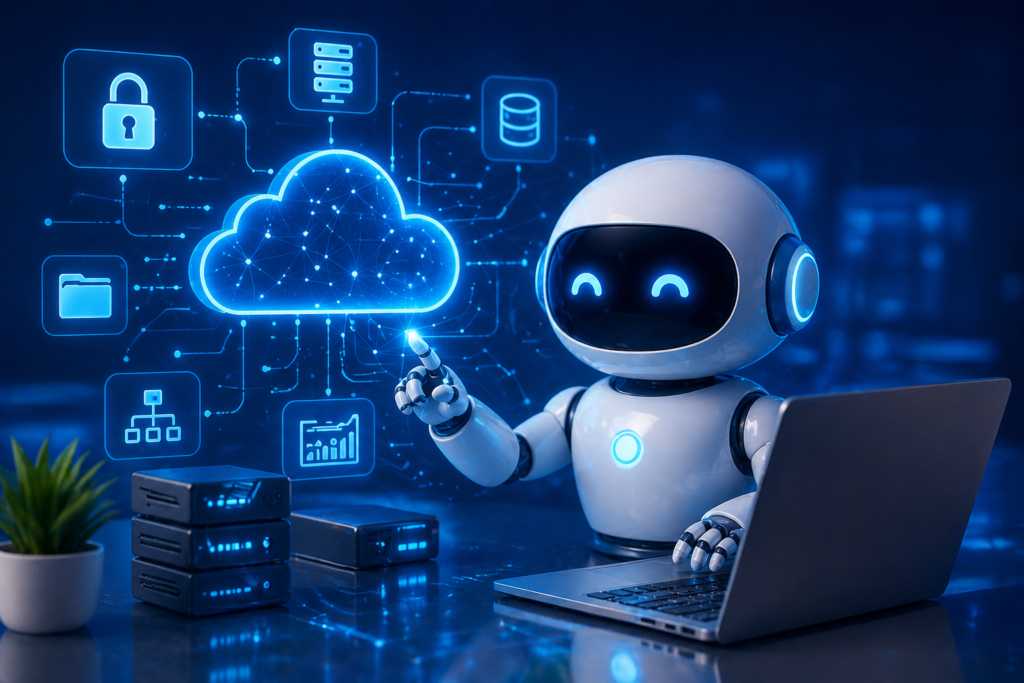
With the growing adoption of cloud computing, managing cloud infrastructure has become increasingly complex. IT chatbots simplify this process by providing a centralized interface for monitoring and managing cloud resources.
These chatbots can integrate with cloud platforms to perform tasks such as checking server status, scaling resources, and monitoring performance metrics. This allows IT teams to manage cloud environments more efficiently without navigating multiple dashboards.
Automation of routine cloud operations is another significant advantage. Chatbots can handle tasks like deploying applications, managing backups, and optimizing resource usage. This not only saves time but also reduces the risk of human error, ensuring a more reliable and efficient cloud infrastructure.
Role of AI in IT Chatbot Intelligence
Artificial Intelligence (AI) is the main power behind IT chatbots. It helps them think, understand, and respond in a smart way. As a result, chatbots can handle complex IT tasks with ease.
One key part of AI is machine learning. It allows chatbots to learn from past data. The more they interact, the better they become. Because of this, their accuracy improves over time. They can detect patterns and respond more effectively to user needs.
Another important feature is predictive analytics. This helps chatbots predict possible problems before they happen. For example, they can detect system errors early. As a result, businesses can fix issues before they grow. This reduces downtime and improves system performance.
Natural Language Processing (NLP) in IT Chatbots
Natural Language Processing (NLP) is a key part of IT chatbots. It helps them understand human language in a simple and natural way. As a result, users can talk to chatbots just like they talk to humans. This makes IT systems easier to use and more efficient.
NLP allows chatbots to understand user questions. It also helps them find the main intent behind a message. Because of this, chatbots can give correct and relevant answers, even if users write in different ways or use different words.
Advanced NLP also supports long conversations. It helps chatbots remember context and respond properly in multiple steps. As a result, they can solve complex IT problems more effectively. As NLP improves, IT chatbots will become even smarter and more helpful.
Integration with IT Service Management (ITSM) Tools
Integration with IT Service Management (ITSM) tools is very important for IT chatbots. It helps them connect with existing systems and work smoothly. As a result, businesses can automate many IT processes easily.
When connected with ITSM platforms, chatbots can create tickets, manage incidents, and handle change requests. This reduces manual work. Because of this, IT teams can focus on more important tasks.
According to the cloud architecture framework, strong system integration is important for building reliable and scalable systems. IT chatbots support this by linking users with IT systems. As a result, organizations get faster workflows and a better user experience.
IT Chatbots for DevOps and Automation
DevOps teams benefit a lot from IT chatbots. These chatbots help automate tasks and improve teamwork between development and operations teams. As a result, processes become faster and smoother.
One important use case is deployment automation. Chatbots can start deployment processes, track progress, and give updates. This reduces delays and improves delivery speed. Because of this, software is released faster and more efficiently.
Chatbots also help with monitoring and alerts. They inform teams about system issues and performance problems. As a result, teams can fix issues quickly and keep systems stable.
Use Cases of IT & Computing Chatbots Across Industries
IT chatbots are used in many industries. They are flexible and improve efficiency in different business areas. As a result, they have become an important part of modern IT systems.
In the healthcare industry, chatbots help manage IT systems like patient records. They also help staff fix technical issues quickly. This reduces system downtime and improves service quality.
In the finance and banking sector, chatbots help monitor transactions and detect problems. They also send real-time alerts. Because of this, financial systems stay secure and reliable.
In the eCommerce and retail industry, chatbots help maintain website performance. They fix technical issues and support smooth online operations. As a result, customers get a better shopping experience.
Challenges and Limitations of IT Chatbots
Even though IT chatbots are powerful, they also have some limitations. One major issue is data quality. If the chatbot is trained on poor data, it may give wrong answers. As a result, users may lose trust.
Another challenge is handling complex problems. Chatbots are good for simple tasks, but they may struggle with advanced technical issues. Because of this, human support is still needed for difficult cases.
Security is also a big concern. IT chatbots handle sensitive data, so strong protection is required. According to the SEO Starter Guide, secure systems are important for trust and reliability. Organizations must follow proper security rules to protect user data.
Future Trends in IT & Computing Chatbots
The future of IT chatbots is very promising. One major trend is conversational AI, which makes chatbots more natural and human-like. As a result, users will have smoother and more realistic conversations.
Another trend is predictive analytics. Future chatbots will not only solve problems but also predict them. Because of this, businesses can fix issues before they happen, improving system performance.
Voice-based chatbots and IoT integration are also growing. Users will soon control IT systems using voice commands. As a result, managing IT systems will become faster and easier than ever before.
How to Choose the Right IT Chatbot Solution
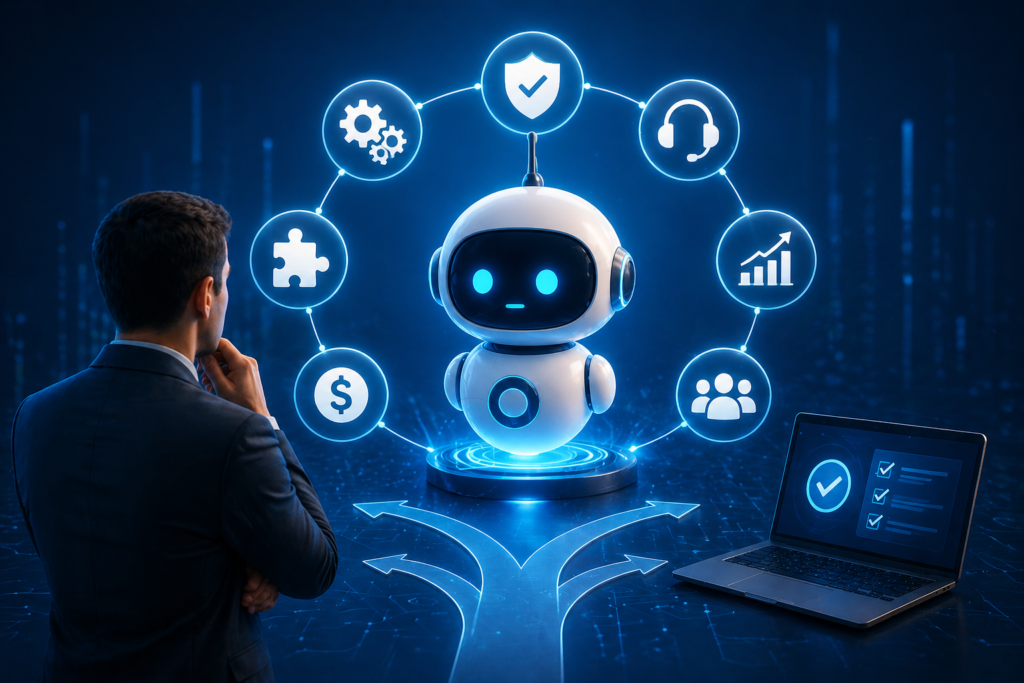
Selecting the right IT chatbot solution is a critical decision that can significantly impact your organization’s efficiency and success. The first factor to consider is functionality. Ensure that the chatbot can handle your specific use cases, such as technical support, automation, and system monitoring.
Another important consideration is integration capabilities. The chatbot should seamlessly integrate with your existing IT infrastructure, including helpdesk systems, cloud platforms, and monitoring tools. This ensures a smooth implementation process and maximizes the value of the chatbot.
Scalability and customization are also essential. As your business grows, your chatbot should be able to adapt to increasing demands and evolving requirements. Additionally, consider the level of customization offered by the solution, as this will determine how well it aligns with your organization’s needs.
Conclusion: Why IT Chatbots Are Essential for Modern Businesses
In conclusion, IT & Computing Chatbots are transforming the way organizations manage technical support and digital operations. Overall, these AI-powered systems enable businesses to automate repetitive tasks, enhance cybersecurity, and improve operational efficiency. As a result, companies can significantly reduce costs while maintaining high levels of service quality.
Moreover, IT chatbots improve user experience by providing instant, accurate, and consistent support. In addition, they empower IT teams to focus on strategic initiatives rather than routine troubleshooting. Because of this, organizations can achieve better productivity and long-term growth. Furthermore, their ability to integrate with existing systems makes them a valuable asset in any modern IT infrastructure.
Ultimately, as technology continues to evolve, the role of IT chatbots will become even more critical. Therefore, businesses that invest in these solutions today will be better positioned for the future. At EngagerBot, organizations can leverage advanced chatbot solutions to stay competitive in an increasingly digital world. In the long run, adopting IT chatbots is not just an option—it is a strategic necessity for sustainable success.
FAQs
1. What is an IT & Computing Chatbot used for?
An IT chatbot is used to automate technical support, manage IT operations, and provide real-time assistance to users. It can handle tasks like troubleshooting, system monitoring, and ticket management.
2. How do IT chatbots improve efficiency?
They automate repetitive tasks, reduce response times, and provide consistent support, allowing IT teams to focus on strategic initiatives.
3. Are IT chatbots secure?
Yes, when designed with proper security measures, IT chatbots can securely handle sensitive data and comply with industry standards.
4. Can IT chatbots replace human support?
No, they are designed to complement human support by handling routine tasks, while complex issues are managed by IT professionals.
5. What industries benefit from IT chatbots?
Industries such as healthcare, finance, retail, and technology benefit significantly from IT chatbots.
6. How do IT chatbots integrate with existing systems?
They use APIs to connect with ITSM tools, cloud platforms, and monitoring systems, enabling seamless operations.
7. What are the key features of a good IT chatbot?
Key features include NLP capabilities, automation, integration, scalability, and security.
8. How much does it cost to implement an IT chatbot?
Costs vary depending on features, integrations, and customization, but they generally provide a strong return on investment.
Common Mistakes to Avoid When Implementing IT Chatbots
One of the most common mistakes businesses make is lack of proper planning. In many cases, organizations implement a chatbot without clearly defining objectives, use cases, or expected outcomes. As a result, this often leads to poor performance, confusion in workflows, and low user adoption. Therefore, it is essential for organizations to first identify their specific needs and then align the chatbot’s capabilities accordingly.
Moreover, another frequent mistake is ignoring user experience. A chatbot that provides inaccurate, irrelevant, or poorly structured responses can quickly frustrate users. Consequently, this reduces trust and discourages users from interacting with the system again. In addition, businesses must ensure that the chatbot is trained on high-quality data and continuously improved over time to maintain accuracy and relevance.
Furthermore, failure to properly integrate the chatbot with existing IT systems is a major issue. Without seamless integration, the chatbot cannot access necessary data or execute tasks effectively. As a result, its overall value becomes limited. Therefore, businesses should prioritize full integration with ITSM tools, cloud platforms, and internal systems to maximize efficiency, automation, and operational effectiveness.
Best Practices for IT & Computing Chatbots
To maximize the benefits of IT chatbots, organizations should follow best practices such as defining clear objectives, ensuring data quality, and continuously monitoring performance. These steps help in creating a reliable and effective chatbot system.
Another important practice is regular updates and training. As technology and user needs evolve, chatbots must be updated to remain relevant and effective. This includes improving NLP models and expanding knowledge bases.
Focusing on security and compliance is also critical. Organizations must implement robust security measures and adhere to industry standards to protect sensitive data. Following guidelines such as structured data ensures better performance and trustworthiness.
Want to Implement This Easily?
Prompt
You are an expert consultant. Based on the blog post titled “(IT & Computing Chatbot)”, provide a step-by-step, practical implementation guide. Include tools, best practices, common mistakes to avoid, and advanced tips. Assume the reader wants to implement everything discussed in this article effectively.
Call to Action
Want our help implementing this? Just reach out to us via our website contact form: https://www.engagerbot.com/contact-us/