
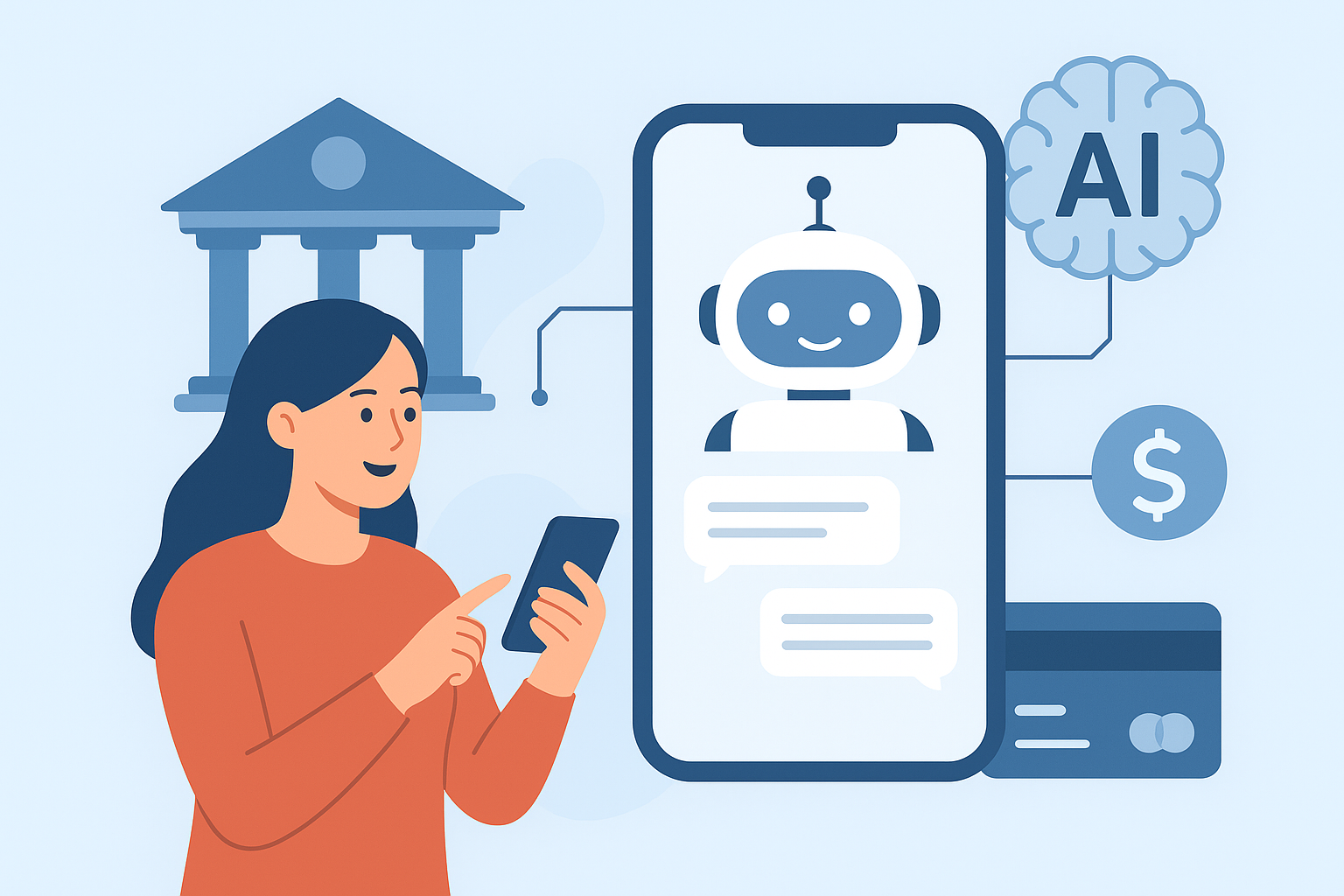
In the rapidly evolving world of digital finance, AI-driven chatbots have become a transformative force reshaping how banks and financial institutions communicate with customers. From simplifying transactions to providing instant financial guidance, bank and finance chatbots are redefining service efficiency, accessibility, and personalization. These virtual assistants are not only reducing operational costs but also elevating customer satisfaction by offering 24/7 intelligent support. As the financial sector races toward full digital transformation, understanding how AI chatbots are revolutionizing the industry has become essential for both businesses and consumers alike.
Introduction
In today’s era of automation and digital intelligence, the banking and finance industry is witnessing a groundbreaking transformation through the integration of AI-powered chatbots. Financial institutions are constantly looking for innovative ways to deliver smarter, faster, and more secure customer experiences. This is where Engagerbot stands out — offering cutting-edge chatbot solutions designed specifically for the banking and financial sector. From automating customer queries to guiding users through complex transactions, these intelligent bots are bridging the gap between human expertise and technological precision. The rise of financial chatbots represents not just an improvement in customer interaction but also a complete evolution in how banks manage engagement, data, and trust.
The Evolution of Chatbots in the Banking Industry
The journey of chatbots in the banking world began as simple, rule-based systems capable of answering limited queries. Over time, advances in natural language processing (NLP), machine learning, and artificial intelligence turned these chatbots into sophisticated digital assistants capable of understanding intent, context, and emotions. Early chatbots provided basic support, but today’s AI chatbots deliver personalized financial insights, manage accounts, and even execute transactions securely. This evolution mirrors the banking sector’s own digital transformation, shifting from traditional in-person interactions to dynamic, online, and mobile-first experiences. As customers increasingly prefer instant communication, chatbots have become indispensable assets in ensuring seamless, efficient, and consistent banking experiences across all channels.
How AI Is Transforming the Banking Experience
Artificial Intelligence has revolutionized banking by automating repetitive tasks and enabling predictive, data-driven decision-making. AI-powered chatbots are capable of recognizing user patterns, anticipating needs, and offering personalized recommendations — from investment tips to loan suggestions. The ability of AI to process enormous volumes of data instantly allows financial institutions to improve operational efficiency, reduce human errors, and enhance customer satisfaction. Whether it’s fraud detection, credit assessment, or portfolio management, AI systems integrated with chatbots bring real-time intelligence to every customer interaction. This transformation ensures that banks can provide services that are not only faster but also more precise, trustworthy, and convenient.
The Role of NLP in Financial Chatbots
Natural Language Processing (NLP) forms the backbone of chatbot intelligence. Through NLP, chatbots understand human language in a natural, conversational way. In the banking industry, this means chatbots can comprehend complex financial terms, detect intent, and deliver accurate responses instantly. For example, when a user asks, “What’s my account balance?” or “Can you recommend a savings plan?” — the chatbot interprets the request, accesses secure data, and provides personalized answers. NLP also enables multilingual support, sentiment analysis, and emotional tone detection, making interactions more human-like. This technology has elevated financial chatbots from robotic responders to empathetic, intelligent assistants that can manage both data and relationships effectively.
Enhancing Customer Experience Through Personalization
Personalization lies at the heart of modern banking. AI chatbots collect and analyze user data such as spending patterns, account history, and behavioral preferences to deliver tailored experiences. Whether suggesting a credit card, recommending investment options, or reminding customers of upcoming payments, personalized chatbot experiences foster stronger customer loyalty and engagement. Banks that integrate personalized chatbot solutions see higher satisfaction rates and increased customer retention. Personalization also helps financial institutions address diverse customer segments efficiently — from millennials seeking digital convenience to seniors requiring more guided financial advice — all while maintaining brand trust and service consistency.
Automation in Banking: Efficiency at Scale
Automation is one of the biggest advantages chatbots bring to financial organizations. By automating tasks like balance inquiries, loan applications, fund transfers, and customer authentication, AI chatbots significantly reduce response times and operational costs. This efficiency allows human employees to focus on more complex tasks, such as strategic decision-making and relationship management. Additionally, automation ensures that banks maintain 24/7 availability, serving customers instantly across time zones. As chatbots continue to evolve, automation will further enhance financial accuracy, reduce compliance risks, and streamline back-office processes, making banking faster, smarter, and more accessible to everyone.
Security and Compliance in Chatbot Banking
One of the main concerns in digital banking is security. Modern financial chatbots address this challenge through end-to-end encryption, biometric authentication, and compliance with global data protection regulations such as GDPR and PCI DSS. Chatbots can detect suspicious activity, alert customers in real-time, and even help prevent fraud. AI systems constantly monitor transactions for anomalies, ensuring financial safety. Moreover, compliance management becomes easier as chatbots help track interactions and maintain audit trails automatically. The integration of secure AI technology reassures both banks and clients that their data remains private and protected at every step of communication.
Real-Time Assistance and 24/7 Availability
Traditional banking hours no longer meet modern expectations. Customers demand instant, round-the-clock access to financial services. Chatbots fulfill this demand by offering 24/7 availability, eliminating waiting times and branch limitations. Whether a client wants to check balances, apply for a loan, or resolve a dispute, chatbots deliver instant answers. This accessibility enhances trust and convenience, particularly for global users across different time zones. By ensuring continuous availability, AI chatbots not only meet customer needs but also demonstrate a brand’s commitment to innovation and service excellence — crucial traits in today’s competitive financial landscape.
Chatbots and Financial Inclusion

AI chatbots are playing a vital role in expanding financial inclusion by making banking services accessible to underserved populations. With multilingual capabilities and easy-to-use interfaces, chatbots empower individuals who previously faced barriers due to geography, literacy, or economic challenges. By providing guidance, microloan information, and mobile banking options, chatbots enable financial participation on a global scale. For developing nations, these innovations bring life-changing opportunities by connecting more people to formal financial systems. Thus, financial chatbots aren’t just technological advancements — they’re tools of empowerment that contribute to a more inclusive and equitable economic future.
Cost Reduction and Operational Optimization
Banking institutions continuously seek ways to optimize costs without compromising quality. Chatbots provide a direct solution by reducing dependency on call centers and human agents. A single chatbot can handle thousands of conversations simultaneously, saving banks millions annually in labor expenses. Additionally, automation minimizes errors and accelerates task completion, further increasing productivity. The scalability of AI chatbot platforms allows banks to adapt quickly to fluctuating customer demands, ensuring seamless performance during peak periods. By integrating chatbots strategically, financial organizations achieve greater operational resilience and long-term cost efficiency.
Data Analytics and Customer Insights
Every interaction with a chatbot generates valuable data. Through advanced analytics, banks can gain deep insights into customer behavior, preferences, and feedback. AI-powered data analysis helps financial institutions identify emerging trends, forecast market movements, and design better financial products. By analyzing chatbot conversation logs, banks can refine their communication strategies, improve satisfaction scores, and anticipate client needs. This data-driven approach leads to smarter business decisions and a more customer-centric banking experience. Ultimately, financial chatbots transform simple interactions into powerful opportunities for continuous improvement and innovation.
Integration with Core Banking Systems
The seamless integration of chatbots into core banking infrastructure ensures real-time data synchronization and secure transactions. Modern chatbots connect directly to customer relationship management (CRM) systems, mobile apps, and payment gateways, ensuring every conversation is productive and accurate. Integration also allows chatbots to update balances, process transfers, and manage financial records autonomously. This connectivity fosters a unified digital banking ecosystem where AI, data, and human insight work harmoniously. As integration technology matures, chatbots will play a central role in bridging customer interactions with backend financial systems efficiently and securely.
The Future of Conversational Banking
The future of banking is conversational. As AI becomes more sophisticated, financial chatbots will evolve into virtual relationship managers capable of understanding emotions, tone, and complex financial intent. Integration with technologies like voice recognition, augmented reality, and blockchain will enhance chatbot performance even further. Future chatbots may help users manage full financial portfolios, offer predictive budgeting, or provide real-time investment guidance. This next phase of conversational banking will redefine customer relationships, merging convenience with advanced intelligence, and making financial services more human, intuitive, and deeply personalized.
Voice-Enabled Financial Chatbots
Voice assistants such as Alexa and Google Assistant have transformed user expectations. In banking, voice-enabled chatbots add another dimension of convenience by allowing customers to perform transactions through voice commands. This technology simplifies banking for people who prefer hands-free interaction, particularly while multitasking or driving. Voice recognition integrated with financial chatbots ensures faster, more natural communication while maintaining strict security protocols. As voice AI continues to evolve, it will become a cornerstone of digital banking strategies, offering customers a seamless blend of accessibility, innovation, and personalization.
The Role of Chatbots in Financial Education
Financial literacy remains a global challenge, and AI chatbots are emerging as effective educational tools. By offering interactive guidance on budgeting, credit scores, and investments, chatbots help users make informed financial decisions. They explain complex topics in simple, engaging language, encouraging customers to develop better money habits. Banks that use chatbots for education not only build stronger relationships but also empower their customers with long-term financial confidence. As part of this transformation, financial education chatbots are bridging the gap between knowledge and action, shaping a more financially aware generation.
Chatbots and Loan Management
Loan management involves multiple steps, from eligibility checking to repayment tracking. AI-powered chatbots simplify this process by automating loan applications, offering personalized plans, and providing real-time updates. Customers can inquire about interest rates, payment schedules, or outstanding balances without human assistance. This automation accelerates loan processing times and minimizes manual errors. Additionally, chatbots can analyze user credit data to suggest better loan products or refinancing opportunities. By integrating loan services into chatbots, financial institutions improve accessibility, transparency, and efficiency for both lenders and borrowers.
The Impact of Chatbots on Customer Trust
Trust is the foundation of the banking industry. With the rise of digital banking, maintaining trust has become more complex. Chatbots help build this trust through consistency, accuracy, and transparency. When users receive timely, reliable information from a secure chatbot, confidence in the institution grows. Moreover, AI chatbots uphold brand values by delivering respectful and empathetic responses, even in sensitive situations. Over time, this creates a dependable digital relationship that mirrors the trust once reserved for in-person interactions. In this way, chatbots not only enhance convenience but also strengthen emotional connections with clients.
Challenges in Implementing Financial Chatbots
Despite their advantages, implementing chatbots in banking comes with challenges. Issues like data security, language accuracy, and integration complexity require careful management. Some customers may resist automation due to privacy concerns or emotional disconnect. Banks must therefore balance automation with human oversight to ensure empathy and compliance. Training chatbots with real-world financial data also demands significant investment in AI infrastructure. However, with strategic planning and ongoing optimization, these challenges can be overcome, allowing chatbots to deliver exceptional value across all banking functions.
Conclusion: Building the Future of Banking with Engagerbot
The integration of AI-powered financial chatbots marks a defining moment in the digital evolution of banking. By combining automation, intelligence, and empathy, chatbots are transforming how customers interact with financial institutions. They are making banking faster, safer, and more accessible than ever before. As technology continues to advance, the future of conversational banking promises even greater personalization and innovation. Engagerbot stands at the forefront of this revolution, empowering banks and financial organizations to adopt next-generation chatbot solutions that redefine customer engagement. With AI as the foundation, the financial world is moving toward a smarter, more connected future — one conversation at a time.