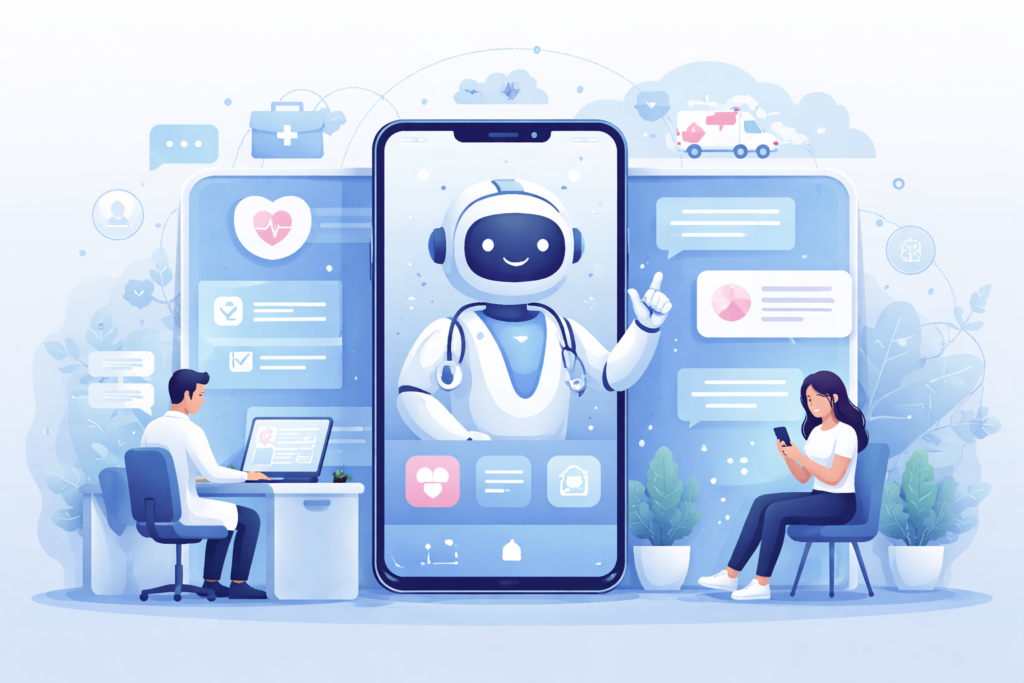
Healthcare Chatbot solutions are transforming patient engagement, automating workflows, and improving care delivery. Discover how AI-powered healthcare chatbots enhance efficiency, compliance, and patient satisfaction.
Introduction to Healthcare Chatbots and Their Growing Importance
Healthcare is undergoing a massive digital transformation, and at the center of this evolution lies the rise of Healthcare Chatbots. These AI-powered virtual assistants are redefining how patients interact with medical providers, offering instant communication, streamlined processes, and improved healthcare outcomes. As patient expectations shift toward convenience and accessibility, healthcare chatbots are no longer optional—they are essential.
Healthcare chatbots leverage advanced technologies such as natural language processing (NLP), machine learning, and automation to simulate human-like conversations. From answering basic medical queries to assisting in appointment scheduling, these tools help bridge the gap between patients and healthcare providers. This not only reduces administrative burden but also ensures patients receive timely support without long waiting times.
At Engagerbot, the focus is on delivering intelligent chatbot solutions tailored for healthcare environments. These solutions are designed to enhance operational efficiency while maintaining strict compliance with healthcare regulations. As we explore this comprehensive guide, you’ll discover how healthcare chatbots are transforming the industry and why adopting them can be a game-changing decision for modern healthcare organizations.
What is a Healthcare Chatbot? A Comprehensive Overview
A healthcare chatbot is an AI-driven software application designed to interact with users—patients, caregivers, or healthcare staff—through conversational interfaces such as websites, mobile apps, or messaging platforms. Unlike traditional customer service tools, these chatbots are specifically trained to understand medical terminology, patient intent, and healthcare workflows.
These systems operate using a combination of rule-based logic and AI algorithms. Basic chatbots follow predefined scripts, while advanced ones use machine learning to continuously improve responses based on interactions. This allows them to handle a wide range of tasks, including symptom checking, medication reminders, patient triage, and insurance queries. Their adaptability makes them a versatile asset in healthcare ecosystems.
More importantly, healthcare chatbots are designed with privacy and compliance in mind. They integrate seamlessly with Electronic Health Records (EHR) systems and follow strict data protection protocols. By offering 24/7 support and personalized interactions, they empower healthcare providers to deliver better patient experiences while optimizing internal operations.
Key Benefits of Healthcare Chatbots for Modern Medical Practices
Healthcare chatbots provide numerous advantages that directly impact both patient care and operational efficiency. One of the most significant benefits is improved patient engagement. Patients can access healthcare information instantly, without waiting for appointments or callbacks. This level of accessibility enhances patient satisfaction and builds trust.
Another major benefit is the reduction of administrative workload. Tasks such as appointment scheduling, billing inquiries, and follow-ups can be automated, allowing medical staff to focus on more critical responsibilities. This not only improves productivity but also reduces operational costs significantly. Clinics and hospitals can handle higher patient volumes without increasing staff.
Additionally, healthcare chatbots contribute to better clinical outcomes. By providing timely reminders, symptom tracking, and health education, they encourage patients to stay proactive about their health. This leads to improved treatment adherence and early detection of potential health issues, ultimately enhancing the quality of care.
How AI and NLP Power Healthcare Chatbots
The effectiveness of healthcare chatbots lies in their underlying technologies, particularly artificial intelligence and natural language processing. NLP enables chatbots to understand and interpret human language, including slang, abbreviations, and complex medical terminology. This ensures accurate and meaningful interactions with users.
Machine learning further enhances chatbot capabilities by allowing them to learn from past interactions. Over time, chatbots become more efficient in understanding user intent and providing relevant responses. This continuous improvement ensures that patients receive accurate and personalized assistance.
AI also enables predictive analytics within healthcare chatbots. By analyzing patient data, chatbots can identify patterns and provide proactive recommendations. For example, they can remind patients to take medication, suggest lifestyle changes, or alert healthcare providers about potential risks. This level of intelligence transforms chatbots from simple tools into powerful healthcare assistants.
Types of Healthcare Chatbots: Use Cases and Applications
Healthcare chatbots come in various types, each designed to serve specific purposes within the medical ecosystem. One common type is informational chatbots, which provide general health information, FAQs, and guidance on common medical conditions. These are particularly useful for patient education and awareness.
Another category includes symptom checker chatbots. These advanced systems analyze user inputs to assess symptoms and suggest possible conditions or next steps. While they do not replace professional diagnosis, they help patients make informed decisions about seeking medical care.
There are also transactional chatbots, which handle tasks such as appointment booking, prescription refills, and billing inquiries. These chatbots streamline administrative processes and improve operational efficiency. Additionally, mental health chatbots offer emotional support and guidance, making healthcare more accessible to individuals who may not seek traditional therapy.
Healthcare Chatbots for Patient Engagement and Experience
Patient engagement is a critical factor in healthcare success, and chatbots play a vital role in enhancing it. By providing instant responses and personalized interactions, chatbots create a seamless communication experience for patients. This reduces frustration and increases satisfaction.
Chatbots also enable continuous engagement beyond clinical visits. They can send reminders for appointments, medications, and follow-ups, ensuring patients stay connected with their healthcare providers. This ongoing interaction fosters stronger relationships and improves treatment adherence.
Moreover, healthcare chatbots support multilingual communication, making healthcare services accessible to diverse populations. By breaking language barriers and offering 24/7 support, they ensure that patients receive the care and information they need, regardless of time or location.
Automating Appointment Scheduling and Reminders
One of the most impactful applications of healthcare chatbots is in appointment scheduling. Traditional scheduling methods often involve long wait times and manual coordination, leading to inefficiencies and patient dissatisfaction. Chatbots eliminate these challenges by automating the entire process.
Patients can book, reschedule, or cancel appointments through simple conversational interfaces. Chatbots integrate with scheduling systems to provide real-time availability, ensuring accurate and efficient bookings. This not only saves time but also reduces the risk of double bookings or errors.
Additionally, chatbots send automated reminders to patients, reducing no-show rates significantly. These reminders can be customized based on patient preferences, ensuring timely communication. By optimizing appointment management, healthcare providers can improve resource utilization and enhance patient experience.
Role of Healthcare Chatbots in Telemedicine and Virtual Care
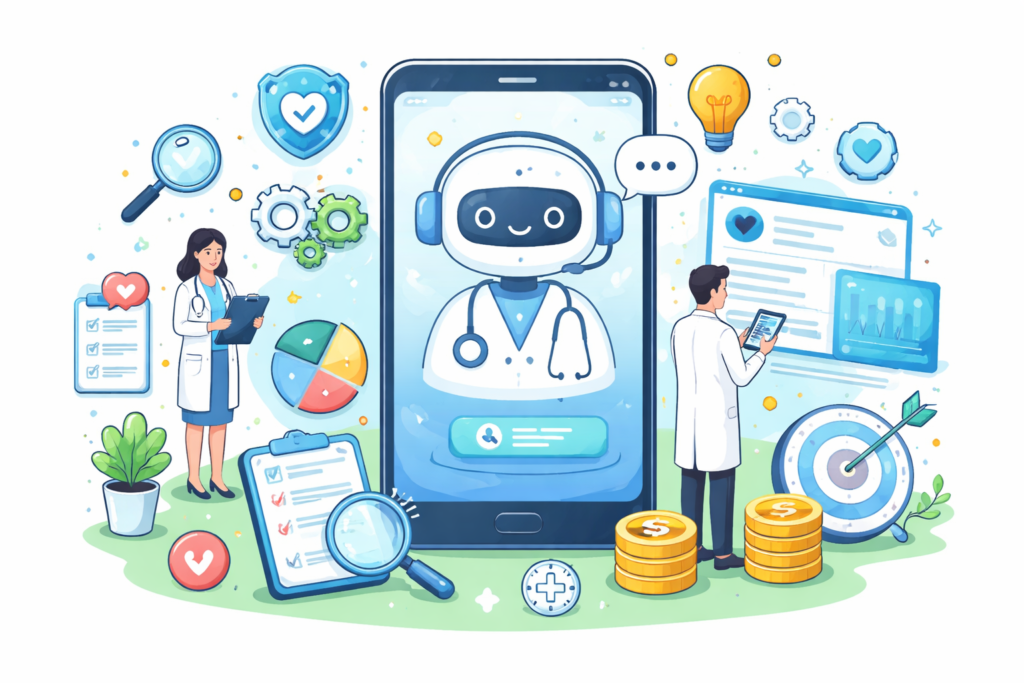
Telemedicine has gained significant traction in recent years, and healthcare chatbots play a crucial role in its success. They act as the first point of contact for patients, guiding them through the process of accessing virtual care services. This ensures a smooth and user-friendly experience.
Chatbots can assist in pre-consultation processes by collecting patient information, symptoms, and medical history. This data is then shared with healthcare providers, enabling more informed and efficient consultations. This not only saves time but also improves the quality of care.
Furthermore, chatbots support post-consultation follow-ups by providing medication reminders, lifestyle recommendations, and feedback collection. This continuous support enhances patient outcomes and ensures a holistic approach to healthcare delivery.
Ensuring Data Security, Privacy, and Compliance in Healthcare Chatbots
In healthcare, data security is not optional—it is foundational. Healthcare chatbots handle sensitive patient information, including medical histories, personal identifiers, and financial data. Without robust security frameworks, this data becomes vulnerable to breaches, which can have severe legal and ethical consequences. Therefore, implementing strong encryption, authentication, and secure data storage practices is essential for any healthcare chatbot system.
Healthcare providers must ensure compliance with global data protection regulations such as HIPAA, GDPR, and other regional standards. Following guidelines from authoritative sources like Google Helpful Content Guidelines ensures that digital systems are built with user trust and transparency in mind. Secure APIs, encrypted communication channels (HTTPS), and role-based access control further enhance chatbot security and compliance.
Additionally, regular audits, vulnerability testing, and monitoring systems are crucial for maintaining security integrity. Healthcare organizations should also educate staff and users about data privacy practices. By prioritizing security and compliance, healthcare chatbots can build trust, protect patient data, and operate within legal frameworks effectively.
Integration with Electronic Health Records (EHR) Systems
Seamless integration with Electronic Health Records (EHR) systems is a defining feature of advanced healthcare chatbots. This integration allows chatbots to access patient data securely and provide personalized responses based on medical history, prescriptions, and previous interactions. It enhances both the accuracy and relevance of chatbot interactions.
By connecting with EHR systems, chatbots can assist healthcare professionals in managing patient information more efficiently. For example, during patient interactions, chatbots can retrieve relevant data and update records in real-time. This reduces manual data entry and minimizes the risk of errors, leading to more efficient healthcare operations.
Moreover, EHR integration supports continuity of care. Patients receive consistent information and recommendations based on their medical history, regardless of the communication channel. This unified approach ensures better coordination among healthcare providers and improves overall patient outcomes.
Challenges and Limitations of Healthcare Chatbots
Despite their numerous advantages, healthcare chatbots are not without challenges. One of the primary limitations is their inability to fully replicate human empathy and judgment. While AI can simulate conversations, it may struggle with complex emotional or nuanced medical situations, which require human intervention.
Another challenge is ensuring the accuracy of medical information. Chatbots rely on data and algorithms, and any inaccuracies in their training data can lead to incorrect responses. This makes it essential to regularly update and validate chatbot knowledge bases with verified medical information.
Technical limitations, such as integration complexities and system downtime, can also impact chatbot performance. Additionally, resistance to adoption among patients and healthcare staff can hinder implementation. Addressing these challenges requires continuous improvement, user education, and a balanced approach that combines AI capabilities with human expertise.
Future Trends in Healthcare Chatbots and AI Innovation
The future of healthcare chatbots is incredibly promising, driven by advancements in artificial intelligence and data analytics. Emerging technologies such as voice recognition, predictive analytics, and emotional AI are set to enhance chatbot capabilities significantly. These innovations will enable more natural and intuitive interactions between patients and chatbots.
Another key trend is the integration of chatbots with wearable devices and IoT systems. This allows real-time monitoring of patient health metrics, enabling proactive healthcare interventions. For example, chatbots can analyze data from fitness trackers and provide personalized health recommendations.
Furthermore, the adoption of generative AI models will enable chatbots to deliver more contextual and human-like responses. As AI continues to evolve, healthcare chatbots will become more intelligent, adaptive, and capable of supporting complex healthcare needs, ultimately transforming the patient experience.
How to Choose the Right Healthcare Chatbot Solution
Selecting the right healthcare chatbot solution requires careful evaluation of several factors. First, healthcare providers must identify their specific needs, such as patient engagement, administrative automation, or clinical support. This helps in choosing a chatbot that aligns with organizational goals.
Scalability and customization are also critical considerations. A good chatbot solution should be flexible enough to adapt to changing requirements and integrate seamlessly with existing systems. Additionally, it should offer multilingual support and user-friendly interfaces to cater to diverse patient populations.
Security and compliance should never be compromised. Healthcare providers must ensure that the chatbot solution adheres to industry standards and regulations. By evaluating these factors, organizations can choose a chatbot that delivers maximum value and supports long-term growth.
Implementing Healthcare Chatbots: Step-by-Step Strategy
Implementing a healthcare chatbot involves a structured approach to ensure success. The first step is defining clear objectives and use cases. Whether it’s improving patient engagement or automating administrative tasks, having a clear goal helps in designing an effective chatbot.
The next step is selecting the right technology and development platform. This includes choosing AI frameworks, NLP tools, and integration capabilities. Once the chatbot is developed, it should undergo rigorous testing to ensure accuracy, usability, and security.
Finally, deployment and continuous optimization are crucial. Healthcare providers should monitor chatbot performance, gather user feedback, and make necessary improvements. This iterative approach ensures that the chatbot remains effective and relevant over time.
SEO, Performance, and Accessibility Considerations for Chatbots
Healthcare chatbots must be optimized for performance, accessibility, and search engine visibility. Fast loading times, responsive design, and seamless integration contribute to a better user experience. Following guidelines like Google Web Performance Best Practices ensures optimal performance and usability.
Accessibility is equally important. Chatbots should be designed to accommodate users with disabilities, including support for screen readers and voice commands. Adhering to standards such as Web Accessibility Standards ensures inclusivity and compliance.
From an SEO perspective, chatbots can enhance user engagement metrics, such as time on site and interaction rates. This indirectly improves search rankings. By focusing on performance, accessibility, and SEO best practices, healthcare chatbots can deliver exceptional user experiences while supporting digital growth.
Common Mistakes to Avoid When Using Healthcare Chatbots
One common mistake is over-reliance on automation without human oversight. While chatbots are powerful tools, they should complement—not replace—human healthcare professionals. Ensuring a seamless transition to human support when needed is essential.
Another mistake is neglecting data security and compliance. Failing to implement proper security measures can lead to data breaches and legal issues. Healthcare providers must prioritize encryption, secure storage, and regulatory compliance from the outset.
Poor user experience design is also a frequent issue. Complicated interfaces, unclear responses, and lack of personalization can frustrate users. By focusing on user-centric design and continuous improvement, organizations can avoid these pitfalls and maximize chatbot effectiveness.
Best Practices for Maximizing Healthcare Chatbot Success
To maximize the success of healthcare chatbots, organizations should follow proven best practices. First, prioritize user experience by designing intuitive and conversational interfaces. This ensures that patients can interact with chatbots بسهولة and effectively.
Second, continuously update and improve chatbot knowledge bases. Regular updates ensure that chatbots provide accurate and relevant information. Incorporating user feedback and analytics helps in identifying areas for improvement.
Finally, maintain transparency and trust. Clearly communicate the capabilities and limitations of chatbots to users. By combining technology with ethical practices and user-centric design, healthcare chatbots can deliver exceptional value and drive long-term success.
Frequently Asked Questions
1. What is a healthcare chatbot?
A healthcare chatbot is an AI-powered tool that interacts with patients to provide medical information, schedule appointments, and assist with healthcare services.
2. Are healthcare chatbots secure?
Yes, when implemented correctly with encryption, secure APIs, and compliance standards, healthcare chatbots can be highly secure.
3. Can chatbots replace doctors?
No, chatbots are designed to assist healthcare providers, not replace them. They handle routine tasks while doctors focus on complex cases.
4. How do healthcare chatbots improve patient engagement?
They provide instant responses, personalized interactions, and continuous support, enhancing the overall patient experience.
5. What are the costs of implementing a healthcare chatbot?
Costs vary depending on complexity, features, and integration requirements, but they often result in long-term savings.
6. Can chatbots integrate with existing healthcare systems?
Yes, modern chatbots can integrate with EHR systems, CRM platforms, and other healthcare tools.
7. Are healthcare chatbots suitable for small clinics?
Absolutely. They can help small clinics improve efficiency and provide better patient services without significant investment.
8. What is the future of healthcare chatbots?
The future includes advanced AI capabilities, better personalization, and deeper integration with healthcare technologies.
Conclusion: Embracing the Future of Healthcare with Chatbots
Healthcare chatbots are revolutionizing the way medical services are delivered, offering unprecedented levels of efficiency, accessibility, and patient engagement. From automating routine tasks to supporting clinical decision-making, these AI-powered tools are reshaping the healthcare landscape.
Organizations that adopt healthcare chatbots gain a competitive advantage by improving patient satisfaction, reducing operational costs, and enhancing overall service quality. As technology continues to evolve, the role of chatbots in healthcare will only become more significant.
At Engagerbot, the commitment is to provide cutting-edge chatbot solutions that empower healthcare providers to deliver exceptional care. By embracing this technology, healthcare organizations can stay ahead of the curve and meet the growing demands of modern patients.
Want to Implement This Easily?
Prompt:
You are an expert consultant. Based on the blog post titled “Healthcare Chatbot”, provide a step-by-step, practical implementation guide. Include tools, best practices, common mistakes to avoid, and advanced tips. Assume the reader wants to implement everything discussed in this article effectively.
Call to Action:
Want our help implementing this? Just reach out to us via our website contact form:
https://www.engagerbot.com/contact-us/