
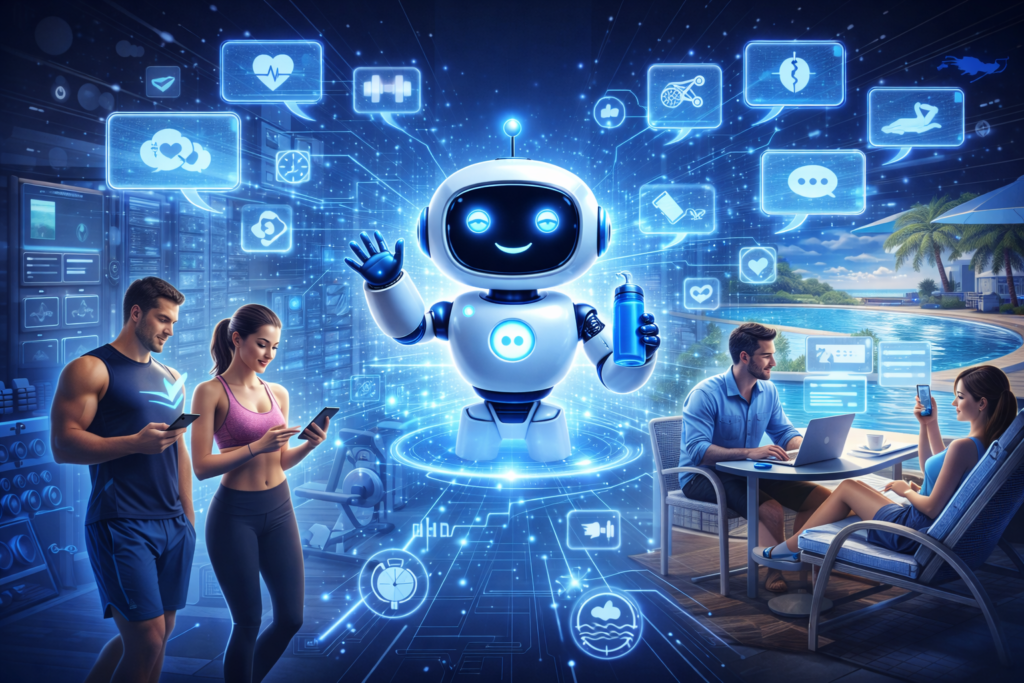
Fitness & Leisure Chatbot solutions that enhance user engagement, automate fitness support, and boost retention with AI-powered conversational experiences.
Introduction
The rise of artificial intelligence has transformed how businesses interact with their customers, especially in industries focused on lifestyle, wellness, and recreation. Fitness and leisure brands are no longer limited to traditional communication channels; instead, they are leveraging intelligent chatbot solutions to provide personalized, real-time experiences. This shift has opened new opportunities for gyms, wellness centers, sports clubs, and recreational platforms to engage users in ways that were previously impossible.
A Fitness & Leisure Chatbot serves as a digital assistant that interacts with users, answers their queries, provides recommendations, and even motivates them to stay on track with their fitness goals. These chatbots are powered by natural language processing (NLP) and machine learning, allowing them to understand user intent and deliver highly relevant responses. Whether it’s booking a yoga class, suggesting a workout routine, or offering nutrition tips, these chatbots streamline operations while enhancing user satisfaction.
At Engagerbot, businesses are adopting chatbot solutions not just for automation but for creating meaningful user journeys. The integration of AI-driven chatbots into fitness and leisure platforms is redefining customer engagement, making interactions more dynamic, efficient, and personalized.
What is a Fitness & Leisure Chatbot?
A Fitness & Leisure Chatbot is an AI-powered conversational tool designed specifically for businesses in the fitness, wellness, and recreational industries. Unlike generic chatbots, these are tailored to address the unique needs of users seeking fitness guidance, activity recommendations, and leisure planning support. They function across websites, mobile apps, and messaging platforms, ensuring accessibility at all times.
These chatbots use advanced technologies such as machine learning and natural language processing to simulate human-like conversations. This enables them to understand user queries, analyze preferences, and provide customized responses. For example, a user can ask for a beginner-friendly workout plan, and the chatbot can generate a tailored routine based on their fitness level, goals, and available time.
Moreover, Fitness & Leisure Chatbots are not limited to answering questions. They actively engage users by sending reminders, tracking progress, and offering motivational prompts. This proactive approach enhances user retention and helps businesses build long-term relationships with their audience.
Why Fitness & Leisure Businesses Need Chatbots
The fitness and leisure industry is highly competitive, with businesses constantly striving to attract and retain customers. In such an environment, providing instant, personalized support can be a game-changer. Chatbots enable businesses to meet these expectations without increasing operational costs.
One of the primary benefits of implementing a chatbot is 24/7 availability. Customers no longer have to wait for business hours to get their queries resolved. Whether it’s late-night workout advice or weekend booking assistance, chatbots ensure continuous support. This level of accessibility significantly improves customer satisfaction and loyalty.
Additionally, chatbots help streamline operations by automating repetitive tasks such as appointment scheduling, membership inquiries, and class bookings. This allows staff to focus on more strategic activities, ultimately improving overall efficiency. By integrating chatbots, fitness and leisure businesses can deliver a seamless user experience while optimizing their resources.
Key Features of a High-Performing Fitness Chatbot
A successful Fitness & Leisure Chatbot is defined by its features and capabilities. To truly add value, it must go beyond basic responses and offer intelligent, user-centric functionalities that enhance the overall experience.
One essential feature is personalized recommendations. By analyzing user data such as preferences, goals, and past interactions, chatbots can suggest workouts, classes, and activities that align with individual needs. This level of personalization creates a more engaging and relevant user journey.
Another critical feature is integration with booking and scheduling systems. Chatbots should be able to handle reservations, cancellations, and reminders seamlessly. This not only improves convenience for users but also reduces the administrative burden on businesses.
Finally, real-time analytics and reporting are crucial for continuous improvement. Chatbots can collect valuable insights into user behavior, preferences, and engagement patterns. Businesses can use this data to refine their offerings and enhance customer satisfaction.
How AI Enhances User Experience in Fitness & Leisure
Artificial intelligence plays a pivotal role in elevating the capabilities of Fitness & Leisure Chatbots. By leveraging AI, these chatbots can deliver highly personalized and context-aware interactions that resonate with users.
AI enables chatbots to understand complex queries and provide accurate responses. For instance, a user asking for a “low-impact workout for knee pain” will receive tailored recommendations instead of generic advice. This level of precision enhances user trust and satisfaction.
Moreover, AI-powered chatbots can learn from user interactions over time. This continuous learning process allows them to improve their responses and adapt to changing user preferences. As a result, users experience increasingly relevant and engaging interactions.
AI also facilitates predictive capabilities, enabling chatbots to anticipate user needs. For example, if a user frequently books evening yoga classes, the chatbot can proactively suggest upcoming sessions or send reminders. This proactive approach enhances engagement and retention.
Personalization: The Core of Fitness Chatbots
Personalization is at the heart of effective Fitness & Leisure Chatbots. In an industry where individual preferences and goals vary significantly, delivering tailored experiences is essential for success.
Chatbots achieve personalization by collecting and analyzing user data. This includes information such as fitness goals, activity levels, preferences, and past interactions. By leveraging this data, chatbots can provide customized recommendations that align with each user’s unique needs.
For example, a beginner looking to lose weight will receive different suggestions compared to an advanced athlete aiming to build muscle. This level of customization ensures that users feel understood and valued, leading to higher engagement and satisfaction.
Furthermore, personalized interactions foster a sense of connection between the user and the brand. When users receive relevant and meaningful recommendations, they are more likely to trust the chatbot and continue using it. This ultimately translates into increased loyalty and long-term customer relationships.
Use Cases of Fitness & Leisure Chatbots
Fitness & Leisure Chatbots offer a wide range of applications across various segments of the industry. Their versatility makes them an invaluable tool for businesses looking to enhance their services and engage users effectively.
One common use case is virtual fitness coaching. Chatbots can guide users through workouts, provide instructions, and offer real-time feedback. This creates a personalized coaching experience without the need for human intervention.
Another use case is class and event booking. Users can easily browse available options, check schedules, and make reservations through the chatbot. This simplifies the booking process and improves user convenience.
Additionally, chatbots can be used for customer support, answering queries related to memberships, pricing, and facilities. By providing instant responses, they enhance user satisfaction and reduce the workload on support teams.
Integration with Mobile Apps and Wearables
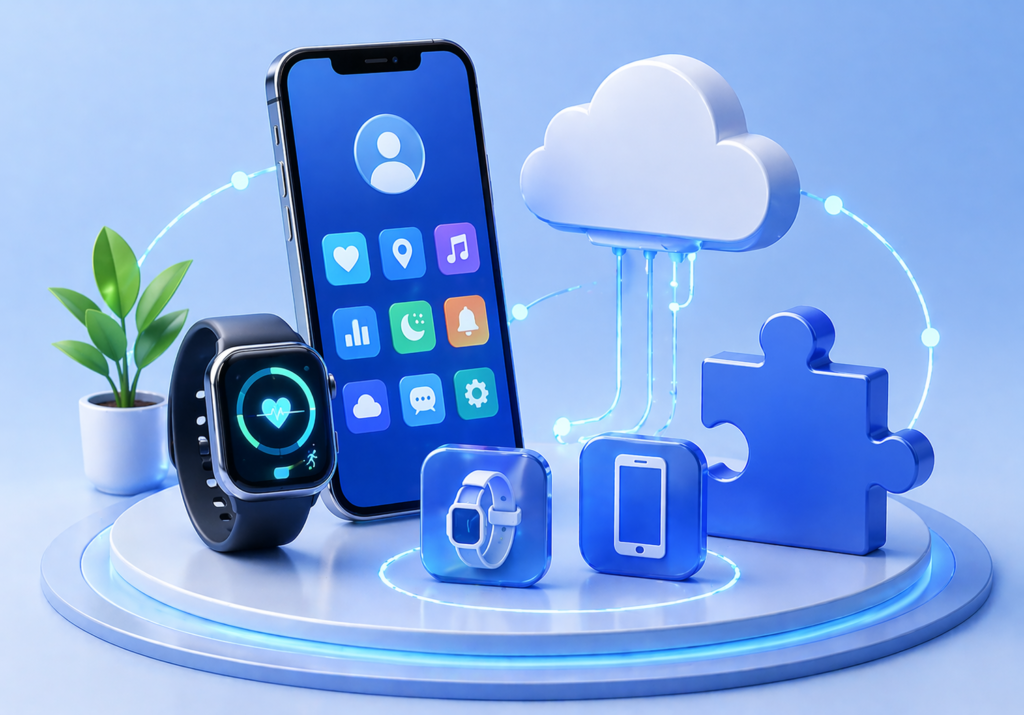
The integration of Fitness & Leisure Chatbots with mobile apps and wearable devices has further expanded their capabilities. This synergy allows for a more comprehensive and seamless user experience.
Mobile apps serve as a primary platform for chatbot interactions, enabling users to access services on the go. Chatbots can be embedded within apps to provide real-time assistance, recommendations, and notifications.
Wearable devices, such as fitness trackers and smartwatches, provide valuable data that chatbots can use to enhance personalization. For example, a chatbot can analyze a user’s activity levels, heart rate, and sleep patterns to offer tailored recommendations.
This integration creates a holistic ecosystem where users can track their progress, receive guidance, and stay motivated. By leveraging data from multiple sources, chatbots can deliver highly relevant and impactful interactions.
Boosting Customer Engagement with Chatbots
Customer engagement is a critical factor in the success of fitness and leisure businesses. Chatbots play a significant role in enhancing engagement by providing interactive and personalized experiences.
One way chatbots boost engagement is through proactive communication. They can send reminders, motivational messages, and updates to keep users engaged. This continuous interaction helps maintain user interest and encourages regular participation.
Another approach is gamification. Chatbots can introduce challenges, rewards, and progress tracking to make the fitness journey more enjoyable. This not only motivates users but also creates a sense of achievement.
Additionally, chatbots enable real-time interactions, allowing users to get instant responses to their queries. This immediacy enhances the overall experience and fosters a stronger connection with the brand.
Role of Chatbots in Customer Retention
Retaining customers is often more challenging than acquiring new ones, especially in the fitness and leisure industry. Chatbots provide an effective solution by keeping users engaged and satisfied.
One of the key ways chatbots improve retention is through consistent communication. By sending reminders, updates, and personalized recommendations, they ensure that users remain active and engaged.
Chatbots also help address user concerns promptly. Instant support reduces frustration and prevents users from abandoning the service. This responsiveness is crucial for maintaining customer satisfaction.
Moreover, chatbots can identify patterns in user behavior and take proactive measures to prevent churn. For example, if a user becomes inactive, the chatbot can send motivational messages or special offers to re-engage them.
Data Security and Privacy in Fitness Chatbots
As Fitness & Leisure Chatbots handle sensitive user information such as health data, activity levels, and personal preferences, ensuring data security and privacy is absolutely critical. Users must feel confident that their information is protected, especially when interacting with AI-powered systems that collect and analyze behavioral data.
One of the most important aspects of chatbot security is compliance with recognized standards. Businesses should align with guidelines such as Google’s helpful content guidelines to ensure that user-first experiences are prioritized while maintaining transparency. Additionally, implementing encryption protocols, secure APIs, and authentication mechanisms protects user data from unauthorized access. This not only safeguards users but also builds long-term trust.
Transparency is another key factor in maintaining user confidence. Fitness chatbots should clearly communicate how data is collected, stored, and used. Providing users with control over their data, including options to opt out or delete their information, enhances trustworthiness. When businesses prioritize security and privacy, they create a foundation for sustainable growth and user loyalty.
SEO Benefits of Implementing Fitness Chatbots
Fitness & Leisure Chatbots are not just tools for engagement—they also contribute significantly to search engine optimization (SEO). By improving user interaction and on-site behavior, chatbots can positively influence key SEO metrics such as dwell time, bounce rate, and user satisfaction.
One of the primary SEO benefits is increased user engagement. When visitors interact with a chatbot, they spend more time on the website, signaling to search engines that the content is valuable. According to Google SEO Starter Guide, user engagement is a critical factor in determining search rankings. Chatbots help create dynamic experiences that keep users engaged longer.
Additionally, chatbots can assist in content discovery. By guiding users to relevant pages, blog posts, or services, they improve internal linking and navigation. This not only enhances the user experience but also helps search engines crawl and index content more effectively.
Furthermore, chatbots can collect insights into user queries and preferences, enabling businesses to refine their content strategy. By understanding what users are searching for, businesses can create targeted content that aligns with search intent, ultimately improving their SEO performance.
Common Mistakes to Avoid When Using Chatbots
While Fitness & Leisure Chatbots offer numerous benefits, improper implementation can lead to suboptimal results. Understanding common mistakes helps businesses avoid pitfalls and maximize the effectiveness of their chatbot strategies.
One common mistake is over-automation. Relying too heavily on chatbots without providing an option for human support can frustrate users. While chatbots are efficient, they cannot handle every scenario. Offering a seamless transition to human assistance ensures that complex queries are resolved effectively.
Another mistake is lack of personalization. Generic responses can make interactions feel robotic and impersonal. Fitness chatbots should leverage user data to provide tailored recommendations and meaningful interactions. Without personalization, the chatbot fails to deliver its full potential.
Lastly, neglecting regular updates and optimization can hinder performance. Chatbots must evolve with changing user needs and preferences. Continuous monitoring, testing, and improvement are essential for maintaining relevance and effectiveness.
Best Practices for Building an Effective Fitness Chatbot
Creating a high-performing Fitness & Leisure Chatbot requires a strategic approach that combines technology, user experience, and continuous optimization. Following best practices ensures that the chatbot delivers maximum value to both users and businesses.
First, focus on user-centric design. The chatbot should be intuitive, easy to use, and capable of understanding natural language. Clear communication and simple navigation enhance the overall user experience. Additionally, incorporating conversational elements makes interactions more engaging and human-like.
Second, prioritize integration with existing systems. A chatbot should seamlessly connect with booking platforms, CRM systems, and fitness tracking tools. This integration enables a unified experience where users can access multiple services through a single interface.
Finally, invest in continuous improvement. Regularly analyze chatbot performance, gather user feedback, and implement updates. By staying proactive, businesses can ensure that their chatbot remains relevant and effective in meeting user needs.
Future Trends in Fitness & Leisure Chatbots
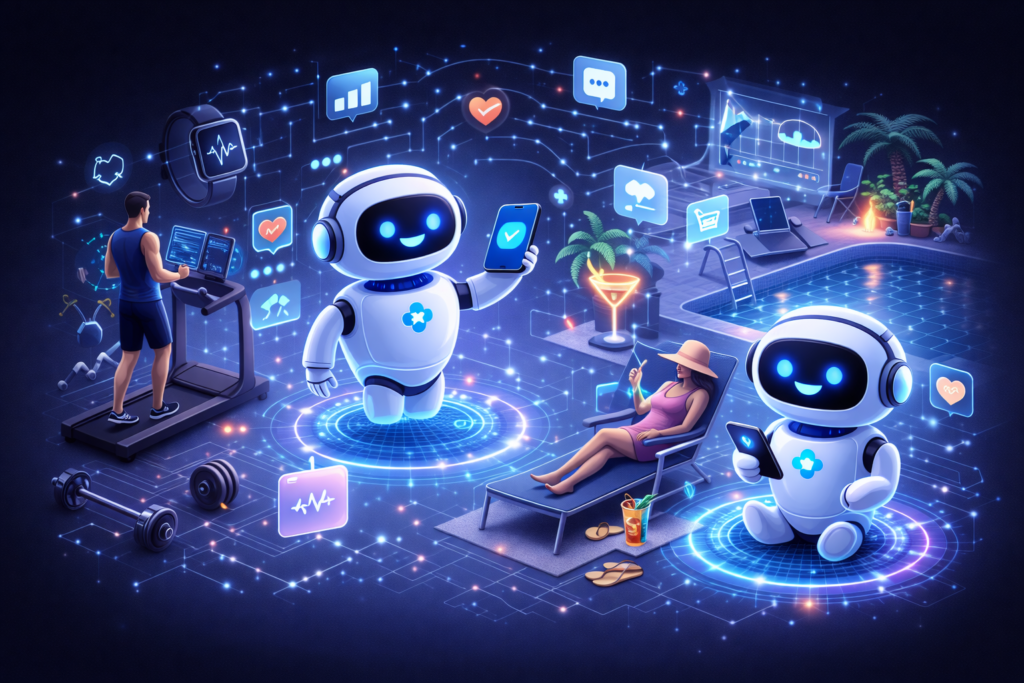
The future of Fitness & Leisure Chatbots is shaped by advancements in artificial intelligence and evolving user expectations. As technology continues to evolve, chatbots are becoming more sophisticated, offering enhanced capabilities and experiences.
One emerging trend is the use of voice-enabled chatbots. With the growing popularity of voice assistants, fitness chatbots are incorporating voice interactions to provide a more natural and convenient user experience. This allows users to interact with chatbots hands-free, making it easier to access information and guidance.
Another trend is the integration of augmented reality (AR) and virtual reality (VR). These technologies enable immersive fitness experiences, where users can visualize workouts or participate in virtual classes. Chatbots can act as guides within these environments, enhancing the overall experience.
Additionally, predictive analytics is becoming more prominent. By analyzing user data, chatbots can anticipate needs and provide proactive recommendations. This level of intelligence enhances personalization and engagement, setting new standards for user experience.
How to Choose the Right Chatbot Solution
Selecting the right Fitness & Leisure Chatbot solution is crucial for achieving desired outcomes. With numerous options available, businesses must evaluate their needs and choose a solution that aligns with their goals.
Start by identifying key requirements. Consider factors such as target audience, desired features, and integration capabilities. A clear understanding of requirements helps narrow down options and ensures that the chosen solution meets business needs.
Next, evaluate the technology and scalability of the solution. The chatbot should be capable of handling increasing user interactions and adapting to future requirements. Scalability ensures long-term viability and return on investment.
Finally, consider the level of support and customization offered by the provider. A reliable solution should provide ongoing support, updates, and customization options. This ensures that the chatbot can evolve with the business and continue delivering value.
Measuring the Success of Your Chatbot
To maximize the effectiveness of a Fitness & Leisure Chatbot, businesses must track and measure its performance. This involves analyzing key metrics and using insights to drive continuous improvement.
One important metric is user engagement. This includes the number of interactions, session duration, and frequency of use. High engagement indicates that users find the chatbot valuable and relevant.
Another critical metric is conversion rate. This measures the chatbot’s ability to drive desired actions, such as bookings, sign-ups, or purchases. A high conversion rate reflects the chatbot’s effectiveness in achieving business goals.
Additionally, user satisfaction should be monitored through feedback and ratings. Understanding user sentiment helps identify areas for improvement and ensures that the chatbot meets user expectations.
FAQs
1. What is a Fitness & Leisure Chatbot?
A Fitness & Leisure Chatbot is an AI-powered tool that interacts with users to provide fitness guidance, booking assistance, and personalized recommendations.
2. How do chatbots improve user engagement?
They offer real-time responses, personalized interactions, and proactive communication, keeping users engaged and motivated.
3. Are fitness chatbots secure?
Yes, when implemented with proper security measures such as encryption and compliance with industry standards.
4. Can chatbots replace human trainers?
No, they complement human trainers by providing support and guidance but cannot fully replace human expertise.
5. How do chatbots help with SEO?
They improve user engagement, reduce bounce rates, and enhance content discovery, contributing to better search rankings.
6. What industries can benefit from fitness chatbots?
Gyms, wellness centers, sports clubs, recreational facilities, and online fitness platforms.
7. Are chatbots expensive to implement?
Costs vary depending on features and complexity, but they often provide a high return on investment.
8. Can chatbots integrate with wearable devices?
Yes, many chatbots can integrate with fitness trackers and smartwatches for enhanced functionality.
Best Practices Summary
To successfully implement a Fitness & Leisure Chatbot, businesses must focus on delivering value, personalization, and seamless user experiences. A well-designed chatbot should prioritize user needs, ensuring that interactions are meaningful and engaging.
Security and transparency are equally important. Protecting user data and maintaining clear communication about data usage builds trust and credibility. Businesses should also stay updated with industry standards and best practices to ensure compliance and effectiveness.
Continuous improvement is the key to long-term success. By analyzing performance, gathering feedback, and adapting to changing trends, businesses can ensure that their chatbot remains relevant and impactful.
Conclusion
Fitness & Leisure Chatbots are revolutionizing the way businesses engage with their customers. By combining AI-powered technology with personalized experiences, these chatbots enhance user satisfaction, streamline operations, and drive growth.
As the fitness and leisure industry continues to evolve, adopting innovative solutions like chatbots is essential for staying competitive. Businesses that embrace this technology can create meaningful connections with their audience and deliver exceptional experiences.
At Engagerbot, the focus is on empowering businesses with advanced chatbot solutions that drive results. By leveraging the power of AI, businesses can transform their engagement strategies and achieve long-term success.
Want to Implement This Easily?
Prompt
You are an expert consultant. Based on the blog post titled “(Fitness & Leisure Chatbot)”, provide a step-by-step, practical implementation guide. Include tools, best practices, common mistakes to avoid, and advanced tips. Assume the reader wants to implement everything discussed in this article effectively.
Call to Action
Want our help implementing this? Just reach out to us via our website contact form: https://www.engagerbot.com/contact-us/