
Cleaning Services Chatbot solutions help cleaning companies automate bookings, improve customer communication, reduce operational costs, and increase customer satisfaction using AI-driven automation.
Introduction: The Future of Cleaning Business Automation with Smart Chatbots
The cleaning services industry has undergone rapid transformation in recent years, driven by increasing customer expectations, digital convenience, and operational efficiency demands. Today’s customers expect immediate responses, seamless booking systems, and personalized service interactions. Businesses that rely solely on manual communication methods—such as phone calls or emails—often struggle to meet these expectations. This is where intelligent automation tools, particularly Cleaning Services Chatbots, are reshaping how companies interact with clients and manage workflows.
A Cleaning Services Chatbot functions as a virtual assistant that communicates with customers across websites, messaging platforms, and mobile devices. It can answer common inquiries, schedule appointments, provide price estimates, and handle customer service tasks without human intervention. This automation reduces administrative workload while ensuring consistent and accurate responses. Platforms like Engagerbot empower businesses to integrate chatbot technology seamlessly into their existing systems, enabling a smarter and more efficient customer experience.
As digital transformation accelerates, cleaning businesses must embrace modern technologies to remain competitive. Chatbots are not just tools for convenience—they are strategic assets that enhance customer satisfaction, increase bookings, and support scalable growth. This comprehensive guide explores how cleaning service chatbots work, why they are essential, and how businesses can leverage them to achieve measurable results.
Understanding Cleaning Services Chatbots and Their Core Functionality
A Cleaning Services Chatbot is an automated digital assistant designed to communicate with customers through conversational interfaces. It operates using artificial intelligence (AI) and natural language processing (NLP) to interpret user input and deliver accurate responses. These systems are specifically tailored to address the unique operational needs of cleaning businesses, such as booking appointments, sending reminders, answering service questions, and managing recurring cleaning schedules.
At its core, a cleaning chatbot performs repetitive customer interaction tasks efficiently and consistently. For example, when a potential customer visits a cleaning company’s website, the chatbot greets them instantly, asks about their cleaning requirements, and collects essential information such as location, service type, and preferred date. Once the information is gathered, the chatbot can provide price estimates or connect the customer to a live representative if necessary. This immediate engagement significantly improves response time, which is a critical factor in customer satisfaction and conversion rates.
Modern chatbot systems are built using technologies aligned with best practices recommended by authoritative organizations such as Google Developers. Following structured development guidelines ensures that chatbots function reliably across different devices and browsers. By implementing robust chatbot solutions, cleaning companies can automate routine tasks, reduce operational overhead, and deliver a seamless customer experience that builds trust and loyalty.
Why Cleaning Businesses Are Rapidly Adopting Chatbot Technology
The adoption of chatbot technology in cleaning services is increasing rapidly due to its ability to streamline operations and improve service delivery. Many cleaning companies face challenges such as missed calls, delayed responses, and scheduling conflicts. These issues often result in lost revenue opportunities and dissatisfied customers. Chatbots address these problems by providing instant responses and efficient booking capabilities.
Another significant factor driving adoption is the demand for 24/7 customer support. Customers frequently search for cleaning services outside traditional business hours. Without automated systems, businesses risk losing these potential clients. A chatbot ensures that inquiries are answered promptly, regardless of the time of day. This constant availability enhances customer trust and increases the likelihood of converting inquiries into confirmed bookings.
Businesses also recognize the importance of aligning digital solutions with modern web standards outlined by Google Search Central. Chatbots that follow these guidelines provide faster loading times, better accessibility, and improved usability. By integrating chatbot technology, cleaning companies not only improve operational efficiency but also position themselves as forward-thinking service providers capable of meeting evolving customer expectations.
Key Benefits of Using Cleaning Services Chatbots for Business Growth
Implementing a cleaning services chatbot offers numerous advantages that directly impact business growth and customer satisfaction. One of the most notable benefits is improved response time. Traditional customer service methods often require manual handling, which can lead to delays. Chatbots eliminate waiting times by providing instant answers to frequently asked questions, ensuring customers receive the information they need immediately.
Another key benefit is increased booking efficiency. Chatbots guide users through the booking process step by step, reducing confusion and minimizing errors. By automating appointment scheduling, businesses can avoid double bookings and ensure accurate service allocation. Additionally, automated reminders help reduce no-shows, which are a common challenge in service-based industries.
Financial savings also play a crucial role in chatbot adoption. Automation reduces the need for additional administrative staff, lowering operational costs while maintaining service quality. By implementing structured digital processes consistent with recommendations from Google Workspace, companies can streamline communication workflows and enhance overall efficiency. These benefits collectively contribute to sustainable business growth and long-term profitability.
How Cleaning Services Chatbots Improve Customer Communication
Effective communication is the foundation of any successful cleaning business. Customers expect clarity, responsiveness, and professionalism when interacting with service providers. Chatbots enhance communication by delivering consistent and accurate responses, eliminating misunderstandings that often occur in manual interactions.
One of the most valuable communication features of chatbots is their ability to personalize interactions. By collecting user data such as service preferences and previous booking history, chatbots can tailor responses to individual customers. For example, returning clients can receive customized greetings, reminders for recurring cleaning schedules, and suggestions for additional services. This personalized approach strengthens customer relationships and encourages repeat business.
Reliable communication systems must also adhere to accessibility and usability standards outlined by trusted resources like Web Accessibility Initiative. Ensuring that chatbot interfaces are accessible to all users—including those with disabilities—demonstrates professionalism and commitment to customer satisfaction. By implementing accessible and responsive chatbot systems, cleaning companies can provide a superior customer experience that fosters trust and loyalty.
Automating Appointment Scheduling with Cleaning Chatbots

Appointment scheduling is one of the most time-consuming administrative tasks in the cleaning industry. Manual booking processes often involve multiple phone calls, email confirmations, and scheduling adjustments. Chatbots simplify this process by automating every step, from collecting customer details to confirming appointments.
When a customer initiates a booking request, the chatbot presents available time slots based on real-time scheduling data. Customers can select their preferred date and time without waiting for human assistance. Once the booking is confirmed, the chatbot sends automated notifications via email or messaging platforms. This streamlined workflow reduces errors and improves scheduling accuracy.
Automation also improves operational transparency. Managers can monitor appointment schedules and adjust resources accordingly. Following recommended workflow automation practices supported by Google Cloud ensures scalability and reliability. By adopting automated scheduling solutions, cleaning businesses can enhance productivity, minimize administrative workload, and provide customers with a seamless booking experience.
Enhancing Lead Generation and Conversion Rates with Chatbots
Lead generation is a critical aspect of growing any cleaning business. Chatbots play a significant role in capturing potential customers by engaging visitors the moment they arrive on a website. Unlike static forms, chatbots initiate conversations that encourage users to share their requirements and contact details.
Interactive conversations increase user engagement and reduce bounce rates. Instead of leaving a website due to unanswered questions, visitors can receive instant assistance. This proactive approach helps convert casual visitors into qualified leads. Additionally, chatbots can recommend relevant services based on user responses, increasing the chances of upselling and cross-selling.
Conversion optimization strategies should align with digital marketing best practices provided by trusted authorities such as Google Analytics. By analyzing chatbot interactions and user behavior data, businesses can refine their marketing strategies and improve conversion rates. This data-driven approach ensures continuous improvement and measurable results in lead generation efforts.
Integrating Cleaning Services Chatbots with Websites and Messaging Platforms
Integration flexibility is a defining feature of modern chatbot systems. Cleaning businesses operate across multiple communication channels, including websites, social media platforms, and messaging applications. Chatbots can be integrated seamlessly into these channels, ensuring consistent communication across all touchpoints.
Website integration is typically the first step in chatbot deployment. Once embedded into a website, the chatbot becomes accessible to visitors immediately. Messaging platform integration further extends reach, allowing businesses to communicate with customers on their preferred channels. This multi-channel presence increases accessibility and enhances customer convenience.
Technical integration must follow structured development frameworks recommended by Google Chrome Developers. Adhering to these guidelines ensures compatibility, fast loading times, and optimal user experience. By implementing multi-channel chatbot integration, cleaning businesses can expand their communication capabilities and maintain consistent customer engagement across digital platforms.
Using AI and Natural Language Processing in Cleaning Chatbots
Artificial intelligence and natural language processing (NLP) are the technologies that enable chatbots to understand human language. These technologies allow chatbots to interpret user queries, identify intent, and provide accurate responses. Without AI and NLP, chatbot interactions would be limited to simple pre-programmed replies.
NLP algorithms analyze user input by breaking sentences into components and identifying keywords. For example, when a customer asks, “Can I book a deep cleaning service for tomorrow?” the chatbot identifies the intent (booking) and extracts relevant details (service type and date). This capability ensures efficient communication and minimizes misunderstandings.
Developing AI-powered chatbots requires adherence to responsible AI guidelines outlined by organizations such as Google AI. These guidelines emphasize ethical AI usage, transparency, and reliability. By implementing AI responsibly, cleaning businesses can create chatbot systems that deliver accurate results while maintaining customer trust.
Personalizing Customer Experiences with Intelligent Chatbot Automation
Personalization has become a defining factor in customer satisfaction, especially in service-based industries such as cleaning services. Customers prefer businesses that understand their preferences, anticipate their needs, and provide customized recommendations. A Cleaning Services Chatbot enables personalization by collecting and analyzing customer data, such as service history, preferred cleaning frequency, property size, and specific requirements. This information allows businesses to deliver highly relevant responses that make customers feel valued and understood.
One of the most effective personalization techniques involves creating dynamic conversation flows that adapt based on customer responses. For example, if a customer frequently books deep cleaning services every month, the chatbot can proactively suggest scheduling the next session before the due date. This predictive approach not only improves convenience but also increases repeat bookings and customer retention. By using structured data management practices aligned with guidance from Google best practices on data handling, businesses can maintain accurate records and ensure seamless personalization workflows.
Additionally, personalization strengthens brand loyalty by making customers feel recognized. When returning customers interact with a chatbot, personalized greetings and recommendations create a sense of familiarity and professionalism. Over time, this consistent engagement builds trust and encourages long-term relationships. Businesses that invest in intelligent personalization systems often experience improved customer satisfaction scores, higher referral rates, and increased overall revenue.
Managing Recurring Cleaning Services Efficiently with Chatbots
Recurring cleaning services represent a significant portion of revenue for many cleaning businesses. However, managing recurring appointments manually can be complex and time-consuming. A chatbot simplifies recurring service management by automating scheduling cycles, reminders, and confirmations. This ensures that customers receive consistent service without the need for manual coordination.
Automated recurring scheduling reduces the likelihood of missed appointments and scheduling conflicts. Customers can set their preferred frequency—such as weekly, bi-weekly, or monthly—and the chatbot automatically updates the schedule accordingly. Notifications are sent before each appointment, allowing customers to confirm or modify bookings as needed. This level of automation improves operational efficiency and enhances customer convenience.
From an operational perspective, recurring service management also helps businesses forecast workload and allocate resources more effectively. Predictive scheduling insights allow managers to plan staff assignments, optimize route planning, and maintain service quality. When integrated with scheduling tools and workflow management systems, chatbots create a streamlined ecosystem that supports long-term operational success.
Improving Customer Support and Reducing Response Time
Customer support efficiency directly impacts customer satisfaction and retention. In the cleaning industry, customers often have urgent questions regarding pricing, availability, or service details. Delayed responses can lead to frustration and lost business opportunities. A chatbot significantly reduces response time by providing immediate answers to frequently asked questions.
By automating responses to common inquiries, chatbots free up human staff to focus on more complex tasks. For example, questions about service packages, pricing estimates, or service areas can be handled instantly by the chatbot. If a customer requires assistance beyond the chatbot’s capabilities, the system can seamlessly transfer the conversation to a human agent. This hybrid support model ensures that customers always receive the help they need.
Reliable support systems must follow structured usability standards recommended by organizations such as Google Search Central documentation, ensuring fast-loading interfaces and responsive designs. By maintaining optimized chatbot performance, businesses can deliver consistent and reliable support that enhances overall customer satisfaction and strengthens brand reputation.
Data Collection and Analytics for Smarter Decision-Making
Data-driven decision-making is essential for business growth and efficiency. Chatbots collect valuable insights during customer interactions, including frequently requested services, peak booking times, customer demographics, and user behavior patterns. This information provides actionable insights that help businesses refine their strategies and improve operational performance.
Analytics dashboards integrated with chatbot platforms allow managers to monitor key performance indicators (KPIs). Metrics such as conversion rates, response time, customer satisfaction scores, and booking frequency provide a comprehensive view of business performance. By analyzing this data regularly, businesses can identify trends and make informed decisions that enhance service delivery.
Data security and privacy must be handled responsibly, following recommendations outlined by Google privacy and security standards. Ensuring secure data storage and responsible data usage builds trust with customers and protects sensitive information. Businesses that adopt robust data management practices gain a competitive advantage by leveraging insights to drive continuous improvement.
Ensuring Security and Privacy in Cleaning Services Chatbots
Security and privacy are critical considerations when implementing chatbot systems. Customers share personal information such as addresses, contact details, and payment information during interactions. Protecting this data is essential for maintaining trust and complying with regulatory requirements.
Encryption technologies safeguard data during transmission, preventing unauthorized access. Secure authentication methods ensure that only authorized users can access sensitive information. Regular security audits help identify vulnerabilities and maintain system integrity. Businesses that prioritize security create a reliable environment where customers feel confident sharing their information.
Compliance with global security standards recommended by trusted sources such as Google security best practices ensures that chatbot systems meet industry requirements. Implementing these standards reduces the risk of data breaches and protects business reputation. By maintaining strong security protocols, cleaning companies demonstrate professionalism and commitment to customer safety.
Optimizing Chatbot Performance for Speed and Reliability
Performance optimization plays a crucial role in ensuring chatbot effectiveness. Slow or unresponsive systems frustrate users and reduce engagement. A well-optimized chatbot delivers fast responses and maintains smooth interaction across devices.
Performance improvements often involve optimizing code, reducing server response times, and implementing efficient caching mechanisms. Regular testing ensures that the chatbot functions correctly under different usage conditions. Businesses that invest in performance optimization experience improved customer engagement and reduced bounce rates.
Technical performance guidelines recommended by Google PageSpeed Insights recommendations provide valuable insights into improving system efficiency. By following these recommendations, businesses can ensure consistent performance and maintain a high-quality user experience.
Training Chatbots for Accuracy and Continuous Learning
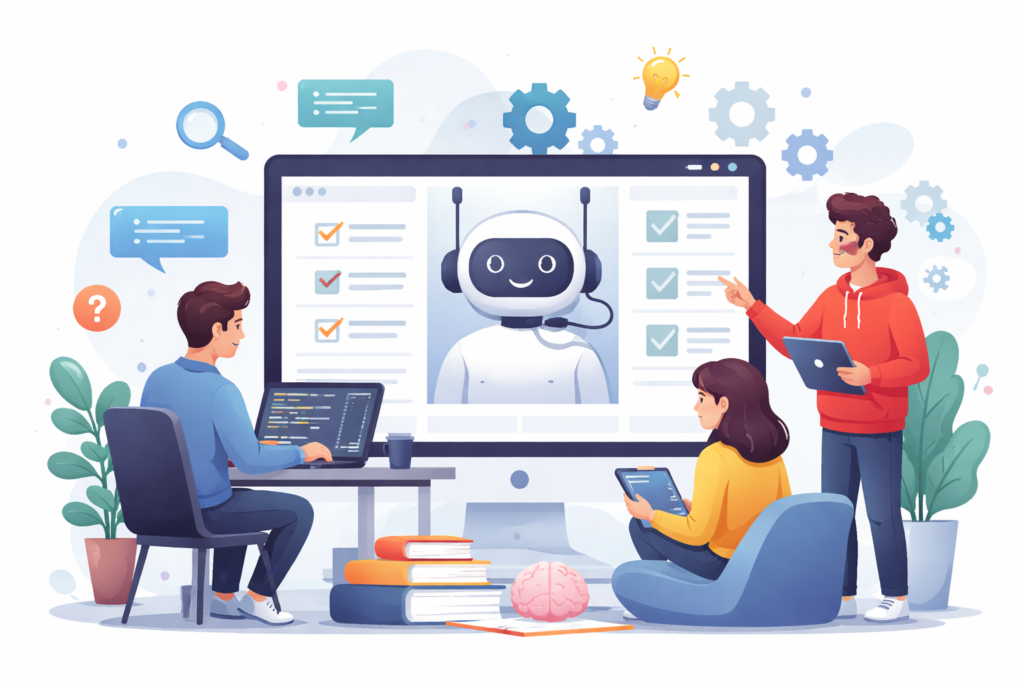
Training is an ongoing process that ensures chatbot accuracy and effectiveness. Chatbots rely on structured datasets to understand customer queries and provide relevant responses. Continuous learning allows the system to adapt to new customer behaviors and evolving service requirements.
Initial chatbot training involves defining conversation flows and creating response templates. Over time, machine learning algorithms analyze user interactions and refine responses. This iterative process improves accuracy and enhances overall performance.
Regular updates and retraining sessions help maintain system relevance. Businesses that monitor chatbot interactions and refine responses based on user feedback create highly reliable systems that deliver consistent results.
Scaling Cleaning Businesses with Automated Chatbot Systems
Scalability is a major advantage of chatbot technology. As cleaning businesses grow, managing increased customer demand becomes challenging. Chatbots enable businesses to handle large volumes of interactions without requiring additional staff.
Automated systems ensure consistent service delivery regardless of business size. Whether managing dozens or thousands of clients, chatbots maintain efficiency and accuracy. This scalability allows businesses to expand operations without compromising service quality.
Additionally, scalable systems support multi-location operations. Businesses operating in multiple regions can manage centralized booking systems while maintaining localized service customization. This flexibility supports sustainable growth and long-term business success.
Common Mistakes Businesses Make When Implementing Cleaning Chatbots
Many businesses make critical mistakes when implementing chatbot systems, often due to insufficient planning or unrealistic expectations. One common mistake is deploying a chatbot without clearly defined objectives. Without specific goals—such as improving response time or increasing bookings—businesses struggle to measure performance and optimize results.
Another frequent mistake involves neglecting chatbot training and updates. A poorly trained chatbot may provide inaccurate responses, leading to customer frustration. Businesses must continuously monitor interactions and refine conversation flows to ensure reliability. Ignoring feedback from customers can result in declining engagement and reduced satisfaction.
Over-automation is also a significant challenge. While chatbots are powerful tools, they cannot replace human judgment entirely. Businesses that rely solely on automation without providing human support options risk losing customer trust. A balanced approach combining automation and human interaction delivers the best outcomes.
Best Practices Summary for Successful Cleaning Chatbot Implementation
Successful chatbot implementation requires a strategic approach that combines technology, planning, and continuous improvement. One of the most important best practices is defining clear objectives before deployment. Businesses should identify specific goals such as increasing bookings, reducing response time, or improving customer satisfaction.
Another essential best practice involves designing user-friendly conversation flows. Clear and intuitive dialogues reduce confusion and enhance customer experience. Testing chatbot interactions before launching ensures that all features function correctly and deliver accurate responses.
Continuous monitoring and optimization are also crucial. Regular performance reviews help identify areas for improvement and ensure long-term success. Businesses that follow structured implementation strategies create reliable chatbot systems that support sustainable growth and operational efficiency.
Frequently Asked Questions
What is a Cleaning Services Chatbot?
A Cleaning Services Chatbot is an automated digital assistant designed to handle customer inquiries, schedule appointments, and provide service information for cleaning businesses. It operates using artificial intelligence to deliver accurate responses and improve operational efficiency.
How does a chatbot improve booking efficiency?
Chatbots automate scheduling by displaying available time slots and confirming appointments instantly. This reduces manual workload and prevents scheduling conflicts.
Are chatbots suitable for small cleaning businesses?
Yes, chatbots are scalable and adaptable, making them suitable for businesses of all sizes. Small businesses benefit from reduced administrative workload and improved customer engagement.
Can chatbots handle multiple customers simultaneously?
Yes, chatbots are designed to manage multiple conversations simultaneously, ensuring consistent service without delays.
How secure is customer data in chatbot systems?
Modern chatbot systems use encryption and secure authentication methods to protect customer data and maintain privacy.
Do chatbots replace human customer support staff?
No, chatbots complement human staff by handling routine tasks, allowing employees to focus on complex customer needs.
What platforms can cleaning chatbots integrate with?
Chatbots can integrate with websites, messaging apps, CRM systems, and scheduling platforms for seamless communication.
How long does it take to implement a chatbot?
Implementation time varies depending on customization requirements, but most chatbot systems can be deployed within a few weeks.
Conclusion: Transforming Cleaning Businesses Through Smart Automation
Cleaning businesses that adopt chatbot technology position themselves for long-term success in an increasingly digital marketplace. Automated communication systems improve efficiency, enhance customer satisfaction, and reduce operational costs. By implementing advanced chatbot solutions, businesses can deliver faster service, maintain consistent communication, and create seamless customer experiences.
Companies that embrace automation also gain valuable insights into customer behavior, enabling smarter decision-making and continuous improvement. The ability to manage bookings, analyze performance metrics, and provide personalized service creates a strong competitive advantage. Businesses leveraging chatbot technology through Engagerbot can unlock new growth opportunities while maintaining high service standards.
Ultimately, the integration of chatbot systems represents a strategic investment in operational efficiency and customer satisfaction. By following proven best practices and maintaining a focus on quality service delivery, cleaning businesses can achieve sustainable growth and lasting success in the digital era.
Want to Implement This Easily?
Prompt Text:
You are an expert consultant. Based on the blog post titled “Cleaning Services Chatbot”, provide a step-by-step, practical implementation guide. Include tools, best practices, common mistakes to avoid, and advanced tips. Assume the reader wants to implement everything discussed in this article effectively.
Call to Action:
Want our help implementing this? Just reach out to us via our website contact form:
https://www.engagerbot.com/contact-us/