
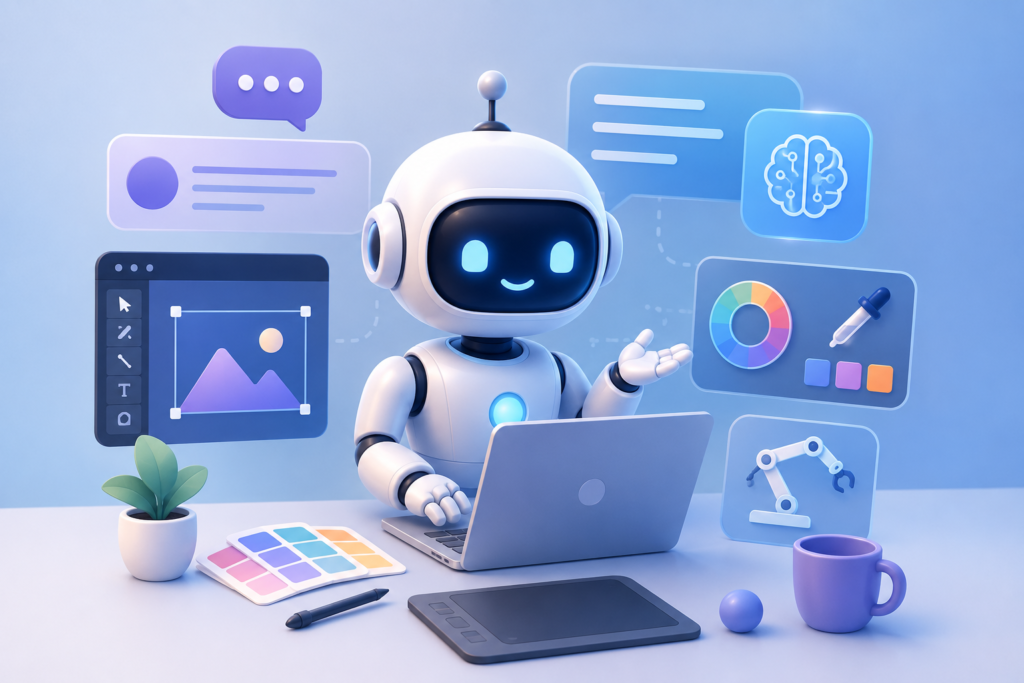
Discover how a Design Chatbot transforms creative workflows, improves customer engagement, automates design assistance, and helps businesses deliver personalized design experiences through AI-powered conversations.
Introduction
The demand for intelligent digital experiences has transformed how businesses interact with customers. Among the most innovative advancements in artificial intelligence is the emergence of the Design Chatbot, a conversational AI solution capable of assisting users with design-related tasks, creative guidance, product customization, visual recommendations, and project collaboration. Organizations across industries are increasingly adopting design-focused chatbots to streamline creative workflows while providing users with instant assistance and personalized experiences.
As customer expectations continue to rise, businesses need tools that can deliver fast, accurate, and engaging interactions. A Design Chatbot helps bridge the gap between creativity and automation by offering real-time support, collecting design requirements, suggesting visual concepts, and guiding users through complex creative processes. These capabilities enable companies to improve efficiency while maintaining high levels of customer satisfaction.
At EngagerBot, businesses are exploring how conversational AI can revolutionize creative engagement and design-related customer interactions. This comprehensive guide explores Design Chatbots, their features, benefits, applications, implementation strategies, and future trends while following modern AI and user experience best practices.
What Is a Design Chatbot?
A Design Chatbot is an AI-powered virtual assistant specifically developed to support design-related interactions through natural conversations. Unlike traditional chatbots that primarily answer customer service questions, design chatbots are built to understand creative requirements, gather design preferences, provide recommendations, and facilitate decision-making throughout the design process.
These intelligent systems utilize technologies such as machine learning, natural language processing, predictive analytics, and conversational AI to understand user intentions. Whether a customer needs assistance selecting a website layout, choosing brand colors, customizing a product, or gathering inspiration for a project, the chatbot can provide contextual guidance based on user input. This creates a highly personalized experience that feels both interactive and helpful.
Modern design chatbots can be integrated into websites, mobile applications, design software platforms, and eCommerce environments. They assist users in making informed creative decisions while reducing the workload on human designers and support teams. As organizations seek scalable methods for delivering creative support, Design Chatbots are becoming a valuable component of digital transformation strategies.
Why Businesses Are Investing in Design Chatbots
Businesses today operate in an environment where customers expect immediate responses and personalized experiences. Design-related inquiries often require significant consultation, which can consume valuable resources and delay project progress. Design Chatbots address these challenges by providing instant assistance around the clock.
One major advantage is efficiency. Rather than waiting for consultations or email responses, users can receive recommendations, design suggestions, and guidance immediately. This improves customer satisfaction while allowing creative teams to focus on more complex tasks that require human expertise. Automated interactions also help businesses manage large volumes of inquiries without increasing staffing costs.
Another reason organizations invest in Design Chatbots is scalability. As businesses grow, customer interactions increase significantly. Chatbots ensure consistent support quality regardless of volume. They can simultaneously assist hundreds or thousands of users, making them ideal for agencies, software companies, online retailers, and service providers seeking sustainable growth while maintaining exceptional customer experiences.
How Design Chatbots Work
Design Chatbots rely on several advanced technologies working together to create meaningful interactions. At the core of the system is Natural Language Processing (NLP), which enables the chatbot to understand user queries and interpret conversational context. Organizations often follow guidance from creating helpful content principles to ensure chatbot responses provide genuine value.
When users engage with a Design Chatbot, the system analyzes keywords, intent, and contextual information. Based on this analysis, it identifies the user’s needs and generates relevant responses. Machine learning algorithms continuously improve performance by learning from previous interactions and user behavior patterns.
Advanced chatbots can integrate with design databases, project management tools, customer relationship management platforms, and creative software solutions. These integrations enable the chatbot to access relevant information, personalize recommendations, and support users throughout the design process. As AI technologies evolve, design chatbots are becoming increasingly capable of understanding complex creative requirements.
Key Features of an Effective Design Chatbot
Successful Design Chatbots offer a range of features that enhance user experiences while supporting business objectives. One of the most important capabilities is personalized recommendations. By analyzing user preferences, behavior, and project requirements, the chatbot can suggest suitable design elements, layouts, styles, or customization options.
Another essential feature is conversational guidance. Users often need help navigating design decisions, and a chatbot can provide structured recommendations through interactive dialogues. This reduces confusion and helps users progress through projects more efficiently. Interactive questionnaires and guided workflows further enhance the user experience.
Integration capabilities are equally important. Effective design chatbots connect seamlessly with creative platforms, customer databases, project management systems, and analytics tools. These integrations allow organizations to deliver personalized experiences while collecting valuable insights that support continuous improvement and business growth.
Benefits of Using a Design Chatbot
Implementing a Design Chatbot offers numerous advantages for businesses and users alike. One of the most significant benefits is improved customer engagement. Interactive conversations create more personalized experiences than traditional forms or static web pages, encouraging users to spend more time interacting with the brand.
Design Chatbots also improve operational efficiency. By automating repetitive tasks such as requirement gathering, style recommendations, and basic design consultations, organizations can reduce manual workloads and optimize resource allocation. This enables creative professionals to focus on strategic and high-value projects.
Another major benefit is consistency. Human interactions may vary depending on experience and workload, but chatbots deliver standardized support based on predefined best practices. Consistent assistance helps maintain quality standards, improve user satisfaction, and strengthen brand credibility over time.
Design Chatbots for Website Design Assistance
Website development projects often involve numerous decisions related to layouts, colors, typography, navigation structures, and user experience. A Design Chatbot can simplify this process by guiding users through each stage of website planning and design selection.
When users begin a website project, the chatbot can collect information about business goals, target audiences, branding preferences, and desired functionality. Based on these inputs, it can recommend design directions that align with project objectives. This creates a more structured and efficient planning process.
Additionally, design chatbots can assist with ongoing website optimization efforts. By analyzing user feedback and engagement data, they can suggest improvements that enhance usability and conversion rates. Businesses seeking better digital experiences can benefit significantly from integrating chatbot-driven design assistance into their website workflows.
Design Chatbots in eCommerce Product Customization
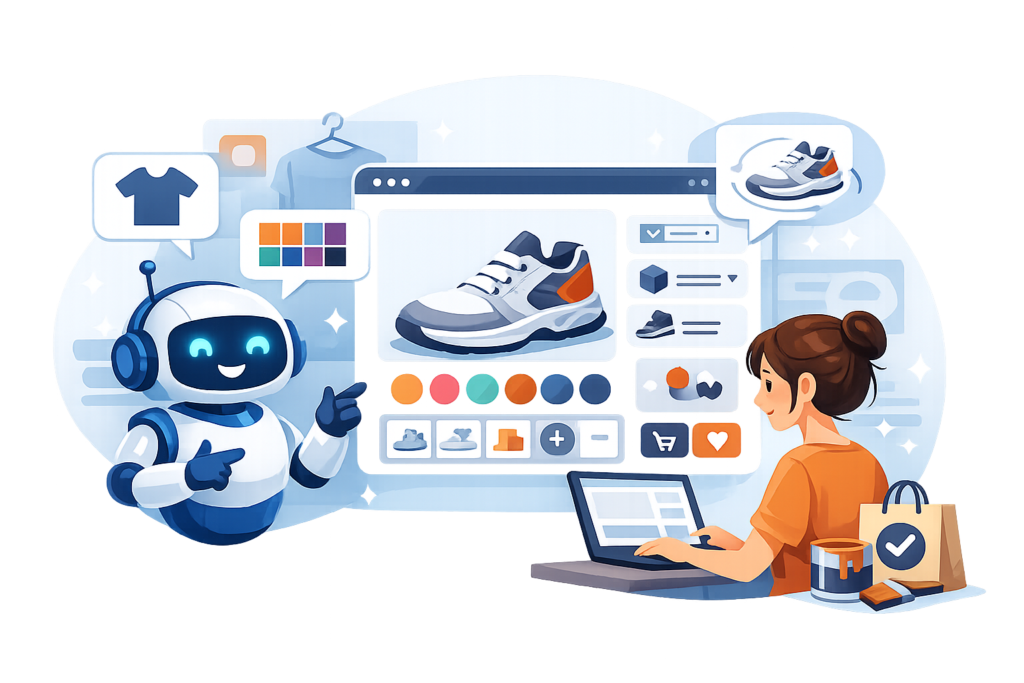
Product customization has become a major competitive advantage in modern eCommerce. Customers increasingly expect personalized products that reflect their individual preferences. Design Chatbots play a critical role in facilitating these customization experiences.
Through conversational interactions, users can specify colors, styles, materials, sizes, branding elements, and other customization options. The chatbot guides them through available choices while ensuring selections align with product requirements and manufacturing constraints. This reduces confusion and enhances customer confidence.
The result is a smoother purchasing experience and higher customer satisfaction. Personalized interactions often lead to increased conversion rates and larger average order values. For businesses offering customizable products, Design Chatbots represent a powerful tool for improving both user experiences and revenue generation.
Enhancing User Experience Through Conversational Design Support
User experience has become one of the most important factors influencing business success. Customers expect intuitive, efficient, and personalized interactions across digital platforms. Design Chatbots contribute significantly to achieving these objectives by providing conversational support throughout the customer journey.
Rather than forcing users to navigate complex menus or lengthy documentation, chatbots offer immediate guidance through natural dialogue. This reduces friction and helps users find solutions more quickly. Personalized recommendations further enhance usability by presenting relevant options based on individual needs.
Organizations that prioritize user experience often see improvements in customer satisfaction, loyalty, and conversion performance. Design Chatbots support these outcomes by making creative processes more accessible, engaging, and user-friendly. As AI technology continues advancing, conversational design assistance will become an increasingly important component of exceptional digital experiences.
Design Chatbots for Branding and Visual Identity Development
Brand identity is one of the most valuable assets any organization possesses. It influences customer perception, trust, recognition, and long-term loyalty. Developing a strong visual identity often requires extensive research, collaboration, and creative exploration. A Design Chatbot can significantly streamline this process by guiding users through branding decisions and helping them define a cohesive visual strategy.
Through intelligent conversations, a chatbot can collect information about business values, target audiences, industry positioning, and competitive differentiators. Based on this information, it can recommend color palettes, typography styles, logo directions, visual themes, and design approaches that align with brand objectives. This allows businesses to move from vague ideas to actionable creative concepts more efficiently.
Additionally, Design Chatbots can ensure consistency throughout the branding process. By maintaining records of user preferences and previous decisions, the chatbot can reinforce established brand guidelines across various projects. Consistency is a critical factor in successful branding, and AI-powered conversational assistance helps organizations maintain a unified visual identity across all customer touchpoints.
AI-Powered Design Collaboration and Team Productivity
Creative projects often involve collaboration among designers, marketers, developers, project managers, and stakeholders. Coordinating feedback, tracking revisions, and maintaining communication can become challenging, particularly in larger organizations. Design Chatbots help improve collaboration by serving as a centralized communication and support tool.
The chatbot can collect project requirements, document stakeholder feedback, summarize design discussions, and organize project-related information in an accessible format. This reduces communication gaps and ensures team members remain aligned throughout the design process. Efficient collaboration minimizes delays and helps projects progress smoothly.
Beyond communication support, Design Chatbots can assist with task management and workflow optimization. By providing reminders, status updates, and resource recommendations, the chatbot contributes to increased productivity. Creative teams can spend less time managing administrative tasks and more time focusing on innovation and execution.
Design Chatbots for Agencies and Freelance Professionals
Creative agencies and freelance designers frequently manage multiple projects simultaneously while maintaining strong client relationships. Handling consultations, gathering requirements, responding to inquiries, and providing updates can consume significant time. Design Chatbots help automate many of these responsibilities.
For agencies, chatbots can act as virtual design consultants available 24/7. Potential clients can interact with the chatbot to discuss project goals, budgets, timelines, and creative preferences before speaking with a human representative. This qualification process improves lead generation and ensures agencies spend time on high-quality opportunities.
Freelancers also benefit from chatbot technology by automating repetitive client interactions. A chatbot can answer frequently asked questions, collect project briefs, schedule consultations, and provide status updates. These capabilities enable independent professionals to deliver a more responsive client experience while managing workloads more effectively.
Using Design Chatbots for Data Collection and Creative Insights
Data-driven decision-making is increasingly important in creative industries. While design often involves artistic expression, successful outcomes are frequently supported by user behavior analysis, customer feedback, and performance metrics. Design Chatbots serve as valuable tools for collecting and analyzing this information.
During conversations, chatbots can gather detailed insights about user preferences, pain points, design expectations, and purchasing behavior. This information helps businesses better understand customer needs and identify emerging trends. Unlike traditional surveys, conversational interactions often generate more detailed and authentic responses.
The collected data can then be used to improve products, refine branding strategies, optimize user experiences, and guide future design decisions. Organizations that leverage chatbot-generated insights gain a competitive advantage by making informed decisions based on real customer feedback rather than assumptions.
Integrating Design Chatbots with Modern Digital Platforms
Successful chatbot implementation often depends on seamless integration with existing business systems. Design Chatbots can connect with a wide variety of digital platforms, enabling organizations to create more comprehensive and efficient workflows.
Integration with customer relationship management systems helps personalize interactions by accessing customer histories, preferences, and project details. Connections with project management platforms allow the chatbot to provide real-time updates, assign tasks, and facilitate collaboration. Integration with design software can further enhance functionality by enabling automated recommendations and workflow support.
Businesses should also prioritize compatibility with websites, mobile applications, social media platforms, and communication channels. Omnichannel accessibility ensures users can engage with the chatbot wherever they prefer, creating a consistent and convenient experience across digital environments.
Security and Privacy Considerations for Design Chatbots
As Design Chatbots collect user information and interact with business systems, security and privacy become critical considerations. Organizations must implement robust safeguards to protect sensitive customer data and maintain trust. Following guidance from Google Search Essentials and industry security standards can help support responsible implementation.
One important practice is data encryption. Encrypting information during storage and transmission reduces the risk of unauthorized access. Secure authentication methods and role-based access controls further strengthen system security by limiting access to authorized personnel only.
Transparency is equally important. Users should understand what data is being collected, how it will be used, and how it will be protected. Clear privacy policies and responsible data management practices help organizations build trust while complying with applicable regulations and industry requirements.
Future Trends in Design Chatbots
The future of Design Chatbots is closely tied to advancements in artificial intelligence, machine learning, and generative technologies. As these technologies continue evolving, chatbots will become increasingly capable of providing sophisticated creative assistance and personalized recommendations.
One major trend is the integration of generative AI capabilities. Future chatbots may not only recommend design concepts but also generate visual assets, layouts, prototypes, and creative variations in real time. This will dramatically accelerate design workflows and empower users to explore more possibilities.
Another emerging trend is multimodal interaction. Rather than relying solely on text-based conversations, future Design Chatbots will combine text, voice, images, and interactive visual elements. These richer experiences will make chatbot interactions more intuitive and effective while supporting increasingly complex creative tasks.
Common Mistakes Businesses Make When Implementing Design Chatbots
Many organizations recognize the value of Design Chatbots but encounter challenges due to implementation mistakes. Understanding these common issues can help businesses maximize their return on investment and deliver better user experiences.
One frequent mistake is prioritizing automation over usability. Some organizations focus heavily on reducing human involvement without ensuring the chatbot provides meaningful assistance. When users receive generic or unhelpful responses, engagement and satisfaction decline. Successful chatbots must prioritize user value above all else.
Another common issue is inadequate training and maintenance. AI systems require ongoing monitoring, updates, and optimization to remain effective. Businesses that neglect chatbot improvement often experience declining performance over time. Regular analysis of user interactions and feedback is essential for continuous enhancement.
A third mistake involves poor integration with existing workflows. If a chatbot operates independently from business systems, it may create inefficiencies rather than solving them. Strategic integration with customer, project, and design platforms helps ensure the chatbot contributes meaningfully to organizational objectives.
Best Practices for Building a Successful Design Chatbot
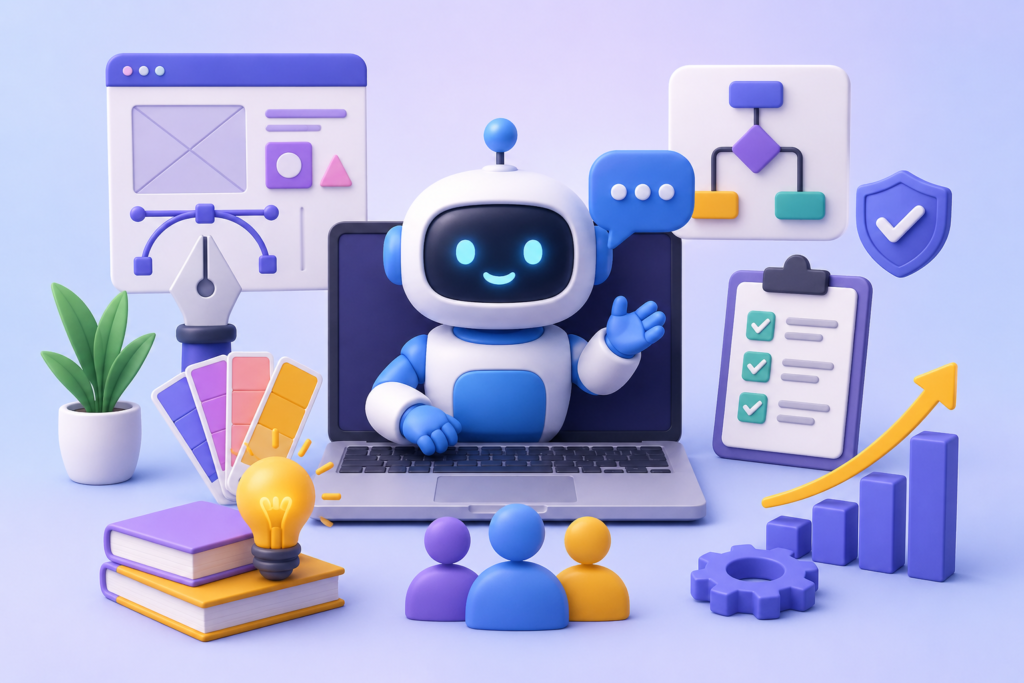
Organizations seeking long-term success with Design Chatbots should follow proven implementation strategies. These best practices help maximize effectiveness while supporting positive user experiences and business outcomes.
First, define clear objectives before development begins. Whether the goal is lead generation, customer support, design consultation, or workflow automation, a well-defined purpose provides direction and helps measure success. Clear objectives also guide feature prioritization and implementation decisions.
Second, focus on user-centered design principles. The chatbot should be easy to use, conversational, and capable of providing genuinely helpful assistance. Testing with real users and incorporating feedback throughout development helps ensure the solution meets customer expectations.
Third, continuously monitor performance and optimize interactions. Metrics such as engagement rates, completion rates, satisfaction scores, and conversion performance provide valuable insights into chatbot effectiveness. Ongoing refinement helps organizations maintain relevance and achieve sustained results.
Frequently Asked Questions
1. What is a Design Chatbot?
A Design Chatbot is an AI-powered conversational assistant that helps users with design-related tasks such as creative guidance, customization, branding recommendations, project planning, and visual decision-making.
2. How does a Design Chatbot improve customer experiences?
It provides instant support, personalized recommendations, guided workflows, and interactive assistance, making design processes more accessible and efficient for users.
3. Can Design Chatbots replace human designers?
No. Design Chatbots are designed to assist and enhance creative workflows rather than replace professional designers. Human creativity, strategy, and expertise remain essential for complex projects.
4. Which industries can benefit from Design Chatbots?
Industries including marketing, advertising, eCommerce, software development, education, real estate, fashion, manufacturing, and professional services can benefit from chatbot-powered design assistance.
5. Are Design Chatbots suitable for small businesses?
Yes. Small businesses can use Design Chatbots to automate consultations, improve customer engagement, collect requirements, and provide support without significantly increasing operational costs.
6. How secure are Design Chatbots?
When implemented correctly with encryption, authentication controls, secure infrastructure, and privacy safeguards, Design Chatbots can provide secure interactions and protect sensitive information.
7. Can Design Chatbots integrate with existing tools?
Yes. Most modern chatbots can integrate with CRM systems, project management platforms, design software, analytics tools, websites, and communication channels.
8. What is the future of Design Chatbots?
Future Design Chatbots will incorporate generative AI, multimodal interactions, predictive personalization, and advanced automation capabilities to provide increasingly sophisticated creative assistance.
Conclusion
The rapid evolution of artificial intelligence is transforming how businesses approach creativity, customer engagement, and digital experiences. A Design Chatbot serves as a powerful bridge between human creativity and intelligent automation, helping organizations deliver personalized assistance, streamline workflows, and improve user satisfaction.
From branding and website design to product customization and collaborative project management, Design Chatbots offer practical solutions that enhance efficiency while supporting innovation. Businesses that embrace conversational AI can create more engaging customer experiences, gather valuable insights, and remain competitive in an increasingly digital marketplace.
At EngagerBot, organizations can explore advanced chatbot solutions designed to support creative processes, automate interactions, and improve customer engagement. As AI technologies continue advancing, Design Chatbots will play an increasingly important role in shaping the future of digital design and creative collaboration.
Want to Implement This Easily?
Prompt Text:
You are an expert consultant. Based on the blog post titled “Design Chatbot”, provide a step-by-step, practical implementation guide. Include tools, best practices, common mistakes to avoid, and advanced tips. Assume the reader wants to implement everything discussed in this article effectively.
Implementation Framework
Step 1: Define Objectives
- Identify primary chatbot goals.
- Determine target audience.
- Establish success metrics.
- Define desired customer outcomes.
Step 2: Gather Requirements
- Map user journeys.
- Identify common design-related questions.
- Document customization workflows.
- Determine integration requirements.
Step 3: Select Technology Stack
- Conversational AI platform.
- CRM integration tools.
- Analytics and reporting systems.
- Design software integrations.
- Security and compliance tools.
Step 4: Design Conversational Flows
- Build onboarding conversations.
- Create requirement-gathering workflows.
- Develop recommendation logic.
- Design escalation paths for human assistance.
Step 5: Train and Optimize
- Train AI using real-world scenarios.
- Test multiple conversation paths.
- Collect user feedback.
- Continuously refine responses.
Step 6: Launch and Monitor
- Deploy across websites and digital channels.
- Monitor engagement metrics.
- Track conversions and satisfaction scores.
- Optimize based on performance data.
Best Practices
- Prioritize user experience.
- Maintain conversational simplicity.
- Provide personalized recommendations.
- Ensure data privacy and security.
- Continuously update chatbot knowledge.
Common Mistakes to Avoid
- Over-automating complex interactions.
- Ignoring user feedback.
- Failing to integrate with business systems.
- Using generic responses.
- Neglecting performance monitoring.
Advanced Tips
- Implement predictive personalization.
- Use AI-driven design recommendations.
- Integrate analytics for continuous learning.
- Leverage automation for workflow management.
- Combine chatbot support with human expertise for optimal outcomes.
Call to Action
Want our help implementing this? Just reach out to us via our website contact form: