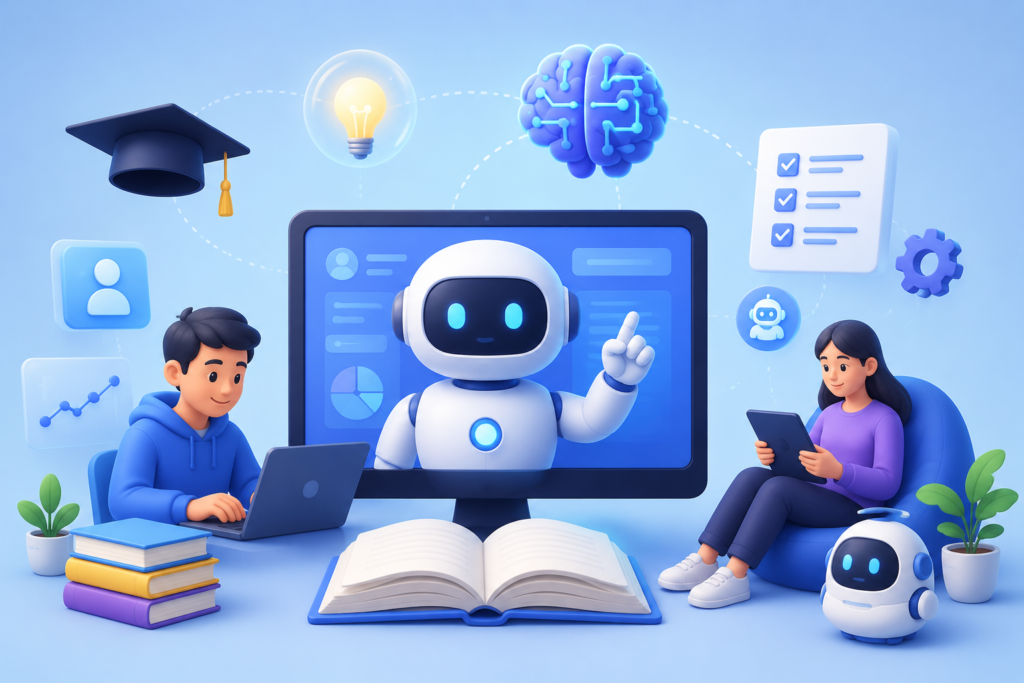
Discover how an Education Chatbot transforms learning experiences through AI-powered student support, personalized education, automated administration, and improved engagement. Learn how educational institutions can leverage chatbot technology to enhance learning outcomes and operational efficiency.
Introduction
The education industry is undergoing a remarkable digital transformation. Artificial intelligence, machine learning, and conversational technologies are reshaping how students learn, educators teach, and institutions manage their operations. Among these innovations, the Education Chatbot has emerged as one of the most impactful solutions for improving communication, enhancing student engagement, and delivering personalized learning experiences.
An Education Chatbot is an intelligent virtual assistant designed specifically for educational environments. It can answer student questions, provide academic guidance, assist with enrollment processes, recommend learning resources, and automate routine administrative tasks. Unlike traditional support channels that depend heavily on human availability, chatbots provide instant responses and continuous assistance around the clock.
As educational institutions face increasing pressure to improve student satisfaction while managing growing workloads, AI-powered chatbot solutions are becoming essential tools for modern learning ecosystems. At EngagerBot, we understand how conversational AI can revolutionize education by creating more accessible, efficient, and engaging experiences for learners and educators alike. This comprehensive guide explores everything you need to know about Education Chatbots, including their benefits, applications, features, implementation strategies, and future potential.
What Is an Education Chatbot?
An Education Chatbot is a conversational AI system designed to support educational interactions through automated communication. These intelligent systems use technologies such as Natural Language Processing (NLP), machine learning, and artificial intelligence to understand user questions and provide relevant responses in real time.
Unlike traditional educational support systems, chatbots offer immediate access to information without requiring students to wait for staff availability. Whether a student needs help finding course materials, understanding assignment requirements, checking enrollment deadlines, or accessing campus resources, an Education Chatbot can provide assistance instantly. This capability improves accessibility and ensures that support remains available whenever students need it.
Modern educational chatbots have evolved significantly beyond simple question-and-answer tools. Advanced solutions can personalize learning experiences, track student progress, recommend educational resources, analyze engagement patterns, and even serve as virtual tutors. These capabilities make Education Chatbots valuable assets for schools, colleges, universities, online learning platforms, and corporate training programs seeking to improve learning outcomes and operational efficiency.
Why Educational Institutions Are Investing in Chatbot Technology
Educational institutions are increasingly adopting chatbot technology because of the growing demand for efficient, scalable, and student-centered support systems. Traditional communication channels often struggle to keep pace with increasing enrollment numbers and rising student expectations.
Students today expect instant access to information similar to the experiences they receive from digital services in other industries. Waiting hours or days for email responses can create frustration and negatively impact the student experience. Education Chatbots address this challenge by providing immediate answers to frequently asked questions and guiding students through various academic processes.
Institutions also benefit from significant operational improvements. Administrative teams often spend considerable time responding to repetitive inquiries about admissions, schedules, fees, deadlines, and academic requirements. By automating these interactions, chatbots reduce staff workload and allow employees to focus on higher-value responsibilities. This increased efficiency helps educational organizations improve service quality while optimizing resource allocation and reducing operational costs.
Core Features of a Modern Education Chatbot
A successful Education Chatbot includes a variety of features designed to enhance learning experiences and streamline institutional operations. These capabilities enable chatbots to serve as valuable digital assistants for students, faculty members, and administrative staff.
One of the most important features is Natural Language Processing (NLP). NLP enables the chatbot to understand conversational language, recognize context, and respond appropriately to user inquiries. Students can communicate naturally rather than relying on predefined commands, making interactions more intuitive and user-friendly.
Another essential feature is personalized learning support. Advanced chatbots can analyze user behavior, academic progress, and engagement patterns to recommend relevant learning materials and study resources. Additional features may include multilingual communication, automated notifications, assignment reminders, attendance tracking, appointment scheduling, LMS integration, analytics dashboards, and virtual tutoring capabilities. Together, these features create a comprehensive support system that enhances educational experiences across multiple touchpoints.
Benefits of Education Chatbots for Students
Students are among the primary beneficiaries of educational chatbot technology. These AI-powered assistants provide immediate access to information, reduce barriers to learning, and create more engaging educational experiences.
One major advantage is twenty-four-hour availability. Students often study outside traditional academic hours and may need assistance during evenings, weekends, or holidays. Education Chatbots ensure support is available whenever questions arise, helping learners stay productive and focused without unnecessary delays.
Chatbots also contribute to personalized learning journeys. By analyzing student interactions and performance data, AI systems can recommend relevant educational content, suggest study strategies, and provide targeted support based on individual needs. This personalization helps students learn more effectively while improving confidence and academic outcomes. Additionally, chatbots can deliver reminders about assignments, exams, and deadlines, helping students stay organized and accountable throughout their educational journey.
Benefits of Education Chatbots for Teachers and Educators
Educators face numerous responsibilities beyond classroom instruction, including answering student questions, managing communications, tracking progress, and handling administrative tasks. Education Chatbots can significantly reduce these burdens and improve overall productivity.
Many student inquiries involve repetitive topics such as assignment deadlines, grading policies, course schedules, and classroom procedures. Chatbots can handle these routine questions automatically, freeing educators to focus on teaching, mentoring, and curriculum development. This shift allows teachers to spend more time delivering meaningful educational experiences rather than managing administrative workloads.
Chatbots can also support classroom engagement by conducting quizzes, collecting feedback, sharing learning resources, and monitoring participation. These tools provide educators with valuable insights into student behavior and performance. By leveraging chatbot-generated analytics, teachers can identify learning gaps, adjust instructional strategies, and provide more effective support to students who may require additional assistance.
How Education Chatbots Enhance Student Engagement
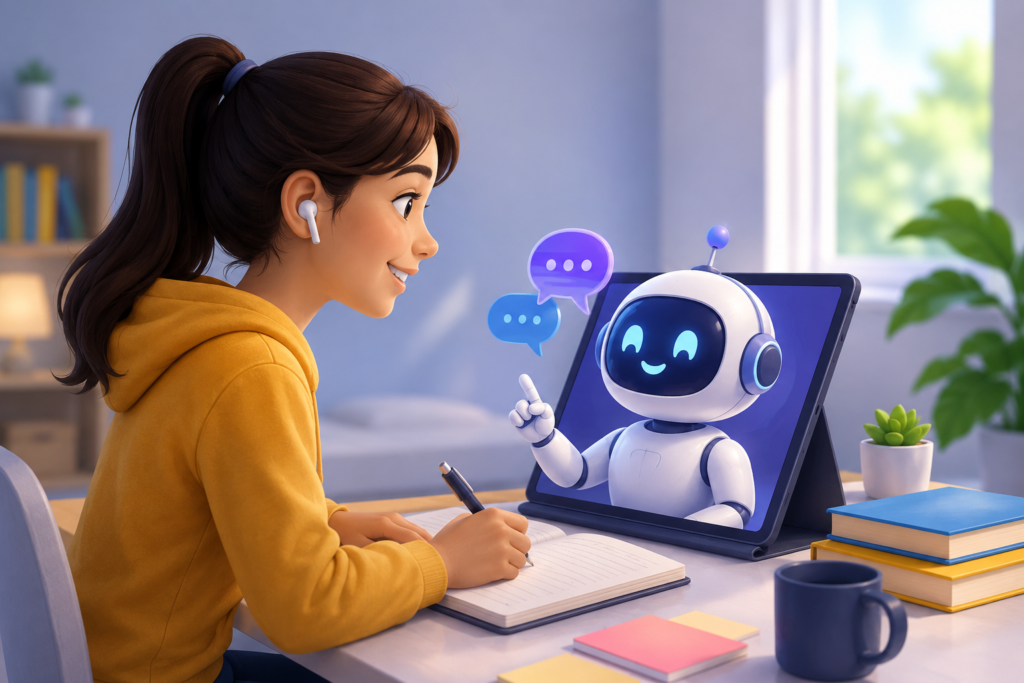
Student engagement is one of the most important factors influencing educational success. Engaged students are more likely to participate actively, complete assignments, retain information, and achieve positive learning outcomes. Education Chatbots play a significant role in fostering this engagement.
Unlike traditional communication channels that often feel formal and transactional, chatbots create interactive experiences through conversational interfaces. Students can ask questions, explore topics, access resources, and receive feedback in a dynamic and engaging manner. This accessibility encourages greater participation and reduces hesitation when seeking assistance.
Educational chatbots also support continuous engagement through personalized interactions. They can send reminders, progress updates, motivational messages, and customized recommendations based on individual learning needs. These ongoing touchpoints help students remain connected to their educational goals and create a stronger sense of accountability. Over time, this increased engagement contributes to improved retention, higher satisfaction, and better academic performance.
The Role of Artificial Intelligence in Education Chatbots
Artificial Intelligence serves as the foundation of modern Education Chatbots. AI enables these systems to understand language, recognize patterns, learn from interactions, and continuously improve their performance over time.
Machine learning algorithms analyze large volumes of educational data to identify trends and optimize responses. As students interact with the chatbot, the system gains a deeper understanding of user behavior and becomes increasingly effective at providing accurate and relevant information. This continuous learning process allows educational chatbots to evolve and improve without requiring constant manual adjustments.
AI also powers advanced capabilities such as sentiment analysis, predictive support, adaptive learning, and intelligent recommendations. For example, a chatbot may identify students who appear disengaged or at risk of falling behind academically and proactively offer resources or support. These intelligent features enable institutions to provide more personalized and effective educational experiences while improving student success rates.
Common Use Cases for Education Chatbots
Education Chatbots can support a wide range of functions across educational institutions. Their flexibility makes them valuable tools for improving communication, streamlining processes, and enhancing learning experiences.
One of the most common applications is admissions support. Prospective students often have questions about programs, tuition fees, eligibility requirements, application procedures, and enrollment deadlines. Chatbots can provide instant answers and guide applicants through the admissions process, improving conversion rates and reducing administrative workload.
Additional use cases include academic advising, course registration assistance, onboarding support, technical help desk services, library assistance, tutoring programs, career counseling, student wellness initiatives, alumni engagement, and campus event promotion. By supporting these diverse functions, Education Chatbots help institutions create more connected and efficient educational ecosystems.
Education Chatbots and Personalized Learning Experiences
Personalized learning has become a major focus in modern education because every student learns differently. Traditional one-size-fits-all approaches often fail to accommodate varying learning styles, preferences, and academic needs. Education Chatbots help address this challenge by delivering tailored educational experiences.
AI-powered chatbots can analyze student performance, engagement patterns, and learning behavior to provide customized recommendations. These may include study materials, practice exercises, learning pathways, and educational resources aligned with individual goals and skill levels. This targeted support helps students learn more effectively and achieve better outcomes.
As chatbot interactions continue, the system refines its understanding of each learner. This ongoing adaptation allows the chatbot to deliver increasingly relevant guidance and support. The result is a more personalized educational experience that promotes engagement, confidence, and academic success while accommodating the unique needs of each student.
Integrating Education Chatbots with Learning Management Systems
Learning Management Systems (LMS) play a central role in modern education by serving as hubs for course content, assignments, communication, and student records. Integrating Education Chatbots with LMS platforms significantly enhances their effectiveness and usability.
Through integration, chatbots can access course schedules, assignment deadlines, grades, attendance records, and educational resources. This connectivity enables students to retrieve important information instantly without navigating multiple systems or searching through complex interfaces.
Popular LMS platforms often support chatbot integration through APIs and automation frameworks. Once connected, chatbots can provide personalized assistance, automate routine workflows, and facilitate seamless access to educational resources. This integration creates a more efficient and user-friendly learning environment while supporting institutional goals related to engagement, accessibility, and operational excellence.
Challenges and Limitations of Education Chatbots
While Education Chatbots provide significant advantages, educational institutions should also recognize their limitations. Understanding both strengths and challenges helps organizations implement chatbot solutions more effectively and set realistic expectations for stakeholders.
One common limitation is the chatbot’s ability to handle highly specialized or complex academic questions. Although modern AI systems can answer a vast range of inquiries, certain topics require human expertise, critical thinking, and contextual understanding that only educators can provide. For this reason, educational institutions should implement chatbot systems that can seamlessly escalate conversations to teachers, counselors, or support staff when necessary.
Another challenge involves maintaining content accuracy and relevance. Educational information changes regularly, including curriculum updates, admission requirements, course schedules, examination policies, and institutional procedures. If chatbot knowledge bases are not updated consistently, students may receive outdated information. Regular content reviews, quality assurance processes, and continuous optimization are essential to maintaining trust and effectiveness.
Additionally, some users may initially resist interacting with AI-powered systems due to unfamiliarity or concerns about technology. Educational institutions can address this challenge through user education, intuitive design, and clear communication about the chatbot’s capabilities and benefits. Successful adoption depends on creating a user experience that feels natural, helpful, and reliable.
How to Successfully Implement an Education Chatbot
Implementing an Education Chatbot requires careful planning and strategic execution. Institutions that follow a structured implementation process are more likely to achieve meaningful results and maximize their return on investment.
The first step is identifying clear objectives. Educational organizations should determine exactly what problems they want the chatbot to solve. Common goals include improving student support, reducing administrative workloads, increasing enrollment conversions, enhancing engagement, or supporting personalized learning initiatives. Clearly defined objectives provide direction for development and measurement.
The second step involves understanding user requirements. Gathering input from students, faculty, administrators, and support teams helps identify common challenges, frequently asked questions, and desired features. This information serves as the foundation for designing effective chatbot conversations and workflows that deliver genuine value to users.
The final stage includes platform selection, integration, testing, deployment, and optimization. Before launching institution-wide, chatbot solutions should undergo extensive testing to identify gaps, improve response quality, and ensure smooth functionality. Continuous monitoring and performance analysis help institutions refine chatbot experiences over time and adapt to evolving educational needs.
Security, Privacy, and Compliance Considerations
Security and privacy are critical considerations when implementing Education Chatbots. Educational institutions handle sensitive information that may include personal details, academic records, financial information, and communication data. Protecting this information is essential for maintaining trust and regulatory compliance.
A secure chatbot environment should include encrypted communications, strong authentication protocols, role-based access controls, and secure data storage practices. Institutions should also work with technology providers that prioritize cybersecurity and follow recognized security frameworks. These measures help reduce the risk of unauthorized access and data breaches.
Educational organizations should also align chatbot practices with applicable privacy requirements and industry standards. Guidance from Google Helpful Content Guidelines emphasizes creating trustworthy user experiences that prioritize transparency and user value. Institutions should clearly communicate how chatbot data is collected, stored, and used to maintain confidence among students, parents, and staff.
Regular security assessments, employee training, and ongoing monitoring further strengthen protection. By making security and privacy core components of chatbot strategy, institutions can confidently embrace digital transformation while safeguarding sensitive information.
Measuring the Success of an Education Chatbot
Implementing a chatbot is only the beginning. Educational institutions must also establish processes for measuring performance and evaluating success. Effective measurement helps organizations understand the chatbot’s impact and identify opportunities for continuous improvement.
One important metric is user engagement. Institutions can monitor conversation volume, active users, session duration, and interaction frequency to understand how students and staff are using the chatbot. High engagement levels often indicate that users find the chatbot valuable and accessible.
Another key metric involves operational efficiency. Educational organizations can measure reductions in support tickets, email inquiries, call center volume, and administrative workloads. These indicators help quantify how automation contributes to resource optimization and cost savings.
Student satisfaction and learning outcomes are equally important. Surveys, feedback forms, and performance analytics can provide insights into user experiences and educational impact. Combining quantitative and qualitative data allows institutions to make informed decisions and continuously enhance chatbot effectiveness.
Common Mistakes Educational Institutions Make with Chatbots
Although chatbot technology offers tremendous potential, many institutions fail to achieve desired results because of avoidable mistakes. Understanding these common pitfalls can significantly improve implementation outcomes.
One frequent mistake is prioritizing technology over user needs. Some organizations focus heavily on advanced features without first understanding the challenges students and educators actually face. Successful chatbot implementations begin with solving real problems rather than showcasing technical capabilities.
Another common error is launching with insufficient content. A chatbot’s effectiveness depends heavily on the quality and depth of its knowledge base. Incomplete information, poorly structured responses, and missing resources can lead to user frustration and reduced adoption rates. Comprehensive planning and content development are essential before deployment.
Institutions also sometimes neglect ongoing optimization. Educational environments constantly evolve, and chatbot systems must evolve alongside them. Regular updates, content reviews, analytics monitoring, and user feedback collection are necessary to maintain relevance and effectiveness over time.
Best Practices for Maximizing Education Chatbot Success
To maximize the value of an Education Chatbot, institutions should follow proven best practices throughout planning, deployment, and optimization.
Begin by establishing clear goals and measurable outcomes. Whether the objective is increasing student engagement, improving support efficiency, or enhancing learning experiences, well-defined goals provide direction and accountability. Success becomes easier to evaluate when institutions know exactly what they want to achieve.
Focus on conversational design and user experience. Students should be able to communicate naturally and receive accurate responses quickly. Intuitive conversation flows, simple language, and clear navigation significantly improve satisfaction and usability. Regular testing with real users helps identify opportunities for enhancement.
Continuous improvement is equally important. Educational institutions should use analytics, feedback, and performance metrics to refine chatbot responses and expand capabilities. A commitment to ongoing optimization ensures that chatbot solutions remain effective, relevant, and aligned with evolving educational needs.
Best Practices Summary
- Define clear objectives before implementation.
- Focus on student and educator needs.
- Build a comprehensive knowledge base.
- Integrate with existing educational platforms.
- Prioritize security and privacy.
- Provide seamless escalation to human support.
- Monitor performance regularly.
- Use analytics for continuous improvement.
- Gather feedback from users frequently.
- Update content consistently.
Future Trends in Education Chatbots
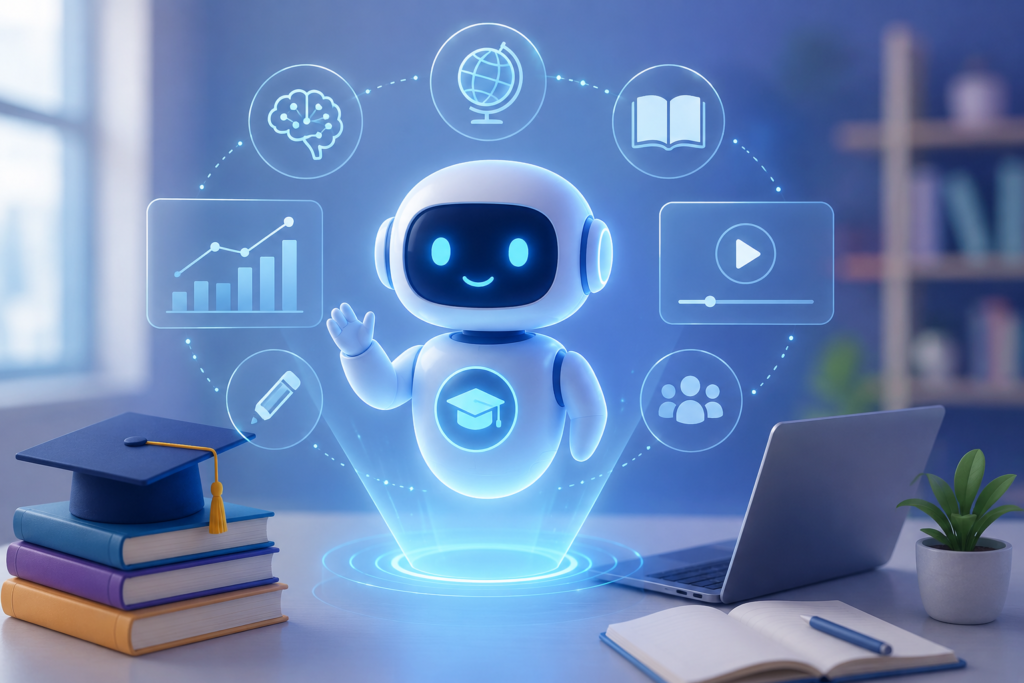
The future of Education Chatbots is closely connected to advancements in artificial intelligence, machine learning, and educational technology. As these technologies continue to mature, educational chatbots will become even more intelligent, adaptive, and impactful.
One major trend is hyper-personalized learning. Future chatbots will analyze learning behaviors in greater detail and deliver highly customized educational experiences. Students will receive personalized study plans, adaptive learning pathways, and targeted recommendations designed specifically for their goals and learning styles.
Voice-enabled interactions are also expected to become more common. Improvements in speech recognition and conversational AI will allow students to communicate naturally through voice commands. This capability can improve accessibility, convenience, and engagement while supporting diverse learning preferences.
Predictive analytics will further enhance educational support. Advanced chatbot systems may identify students at risk of academic challenges and proactively provide assistance before problems become severe. These predictive capabilities can contribute to improved retention rates, stronger academic performance, and more successful learning outcomes.
Frequently Asked Questions
1. What is an Education Chatbot?
An Education Chatbot is an AI-powered virtual assistant designed to support students, educators, and administrators through automated conversations. It provides information, guidance, and educational support in real time.
2. How do Education Chatbots improve learning experiences?
They offer personalized support, instant access to educational resources, study recommendations, assignment reminders, and interactive learning assistance that helps students stay engaged and informed.
3. Can an Education Chatbot replace teachers?
No. Education Chatbots are designed to complement educators, not replace them. They automate routine interactions and administrative tasks while teachers focus on instruction, mentorship, and academic guidance.
4. Are Education Chatbots available around the clock?
Yes. Most Education Chatbots operate 24/7, allowing students to receive support whenever they need assistance regardless of time zones or institutional office hours.
5. Can chatbots integrate with Learning Management Systems?
Yes. Modern chatbot solutions can integrate with Learning Management Systems, student portals, CRM platforms, and other educational technologies to provide seamless access to information and resources.
6. Are Education Chatbots secure?
When implemented correctly, educational chatbots can be highly secure. Security depends on encryption, authentication controls, compliance measures, and ongoing cybersecurity management.
7. How do chatbots support personalized learning?
AI-powered chatbots analyze user behavior, learning patterns, and academic performance to provide tailored recommendations, study resources, and individualized support experiences.
8. Which educational institutions benefit most from chatbots?
Schools, colleges, universities, online learning providers, tutoring centers, corporate training organizations, certification programs, and educational nonprofits can all benefit from chatbot technology.
Conclusion
Education Chatbots are transforming modern education by providing scalable, intelligent, and personalized support for students, educators, and institutions. From streamlining administrative processes and improving communication to enhancing learning experiences and increasing engagement, chatbot technology offers significant benefits across the educational ecosystem.
As artificial intelligence continues to evolve, Education Chatbots will become increasingly sophisticated and capable of delivering highly personalized educational experiences. Institutions that embrace this technology strategically can improve operational efficiency, strengthen student satisfaction, and support long-term academic success.
EngagerBot helps educational organizations leverage the power of conversational AI to create smarter learning environments, improve student support, and drive meaningful educational outcomes. By investing in Education Chatbots today, institutions can position themselves for success in the future of digital learning.
Want to Implement This Easily?
Prompt Text:
You are an expert consultant. Based on the blog post titled “Education Chatbot”, provide a step-by-step, practical implementation guide. Include tools, best practices, common mistakes to avoid, and advanced tips. Assume the reader wants to implement everything discussed in this article effectively.
Call to Action:
Want our help implementing this? Just reach out to us via our website contact form: